

Archive · 12 Oct 2026
Supreme Court Orders Relief for Protesters After Delhi Crackdown
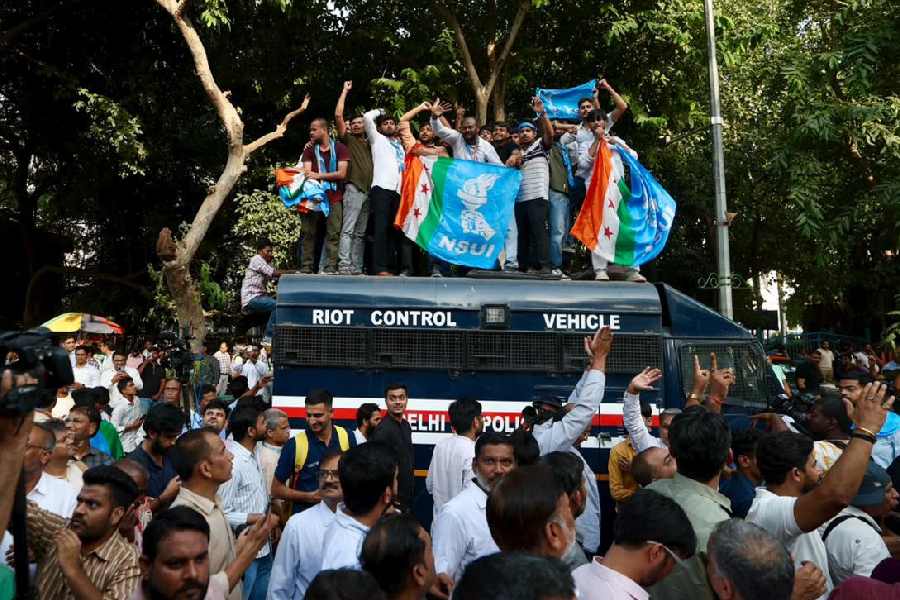
People planned to protest at Jantar Mantar in Delhi.
The protest was against the chief election commissioner.
Before it happened, the government restricted some transport and mobile internet, and many people were detained.
The Supreme Court held a special hearing on Sunday.
It ordered steps to make travel and communication easier and to stop illegal detentions.
It also removed a restriction near the Court that could affect access to justice.
The editorial says peaceful protest is an important democratic right, although laws can place limits on it.
It argues that the government’s response and its respect for the Court’s orders are important for democracy.

The editorial says the Centre restricted transport and mobile internet ahead of protests at Jantar Mantar against the chief election commissioner.
It reports that protesters were detained, including four former chief ministers, and that the United Nations Human Rights office expressed concern about detentions of students, journalists, and politicians.
At a special Sunday sitting, the Supreme Court directed that Metro services and internet access be restored, movement eased, barricades removed, and illegal detentions stopped.
The Court also lifted a restriction under Section 163 of the Bharatiya Nagarik Suraksha Sanhita near its premises, while stating its directions operated under existing laws and regulations.
The editorial warns that the Centre’s response raises broader concerns about dissent and peaceful assembly, and says the government’s compliance with the Court’s directions will matter.
- Who
- Protesters, the Centre, and the Supreme Court; the protest was against the chief election commissioner.
- What
- The Supreme Court directed the restoration of services and movement and addressed detentions following restrictions imposed around protests.
- When
- The Court issued an initial direction on Friday and heard related petitions in a special sitting on Sunday; the protest was planned for the following day.
- Where
- Jantar Mantar and other areas of Delhi, including the area around the Supreme Court.
- Why
- The measures and Court hearing concerned protests against the chief election commissioner and the restrictions and detentions imposed in response.
Editorial’s view
State restrictions described
Protest rights and public order
Editorial’s view
The editorial argues that peaceful protest and assembly are constitutionally protected and warns that restrictions can be used to weaken dissent.
State restrictions described
The article says the Centre ordered restrictions on transport and mobile internet and describes the response as a security crackdown; it does not provide the government’s explanation for these measures.
Compliance with the Court
Editorial’s view
The editorial says the Centre should follow the Court’s directions in both letter and democratic spirit.
State restrictions described
The article reports the Court’s directions and says they remain subject to existing laws and regulations; it says it remains to be seen whether the Centre will comply.
- Protest location
- Jantar Mantar, Delhi
- Protest target
- The chief election commissioner
- Court hearing
- The Supreme Court held a special sitting on Sunday to hear petitions about the State’s response.
- Court directions
- Restore Metro and internet services, facilitate public movement, remove barricades, and stop illegal detentions.
- Detentions
- The editorial says four former chief ministers were among those detained.
- Legal provision
- The Court lifted Section 163 of the Bharatiya Nagarik Suraksha Sanhita imposed around its premises.
- International response
- The United Nations Human Rights office expressed concern about the detention of students, journalists, and politicians.