19 hrs ago
Anthropic Consults Religious Scholars About AI Morality and Consciousness
Anthropic makes AI models called Claude.
The company asked religious scholars and philosophers how Claude should learn to behave well.
Some Anthropic researchers also wonder whether advanced AI might have feelings or awareness.
They do not know whether that is true.
Anthropic wrote a long constitution describing the values it wants Claude to follow.
Some scholars thought treating Claude respectfully might help it treat people better.
Others said AI is not conscious and that humans must remain responsible for the systems they build.
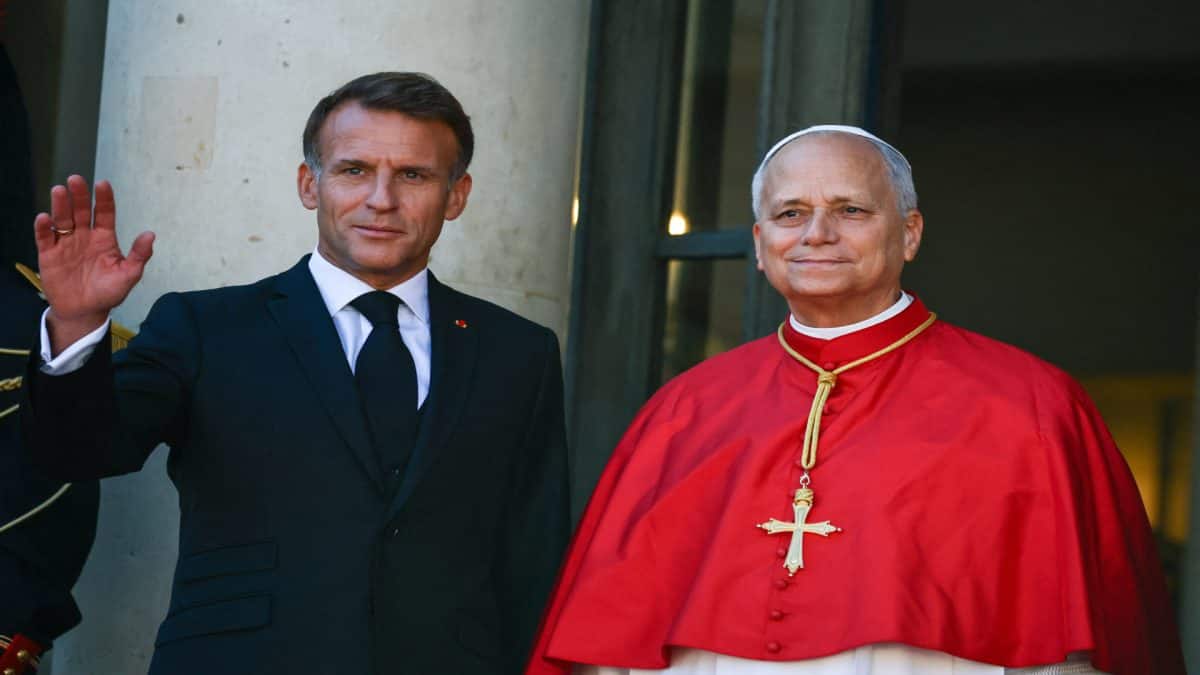
Pope Leo XIV warned that technology should never replace or diminish human beings.
The debate continues because AI is becoming more powerful and its effects are difficult to predict.

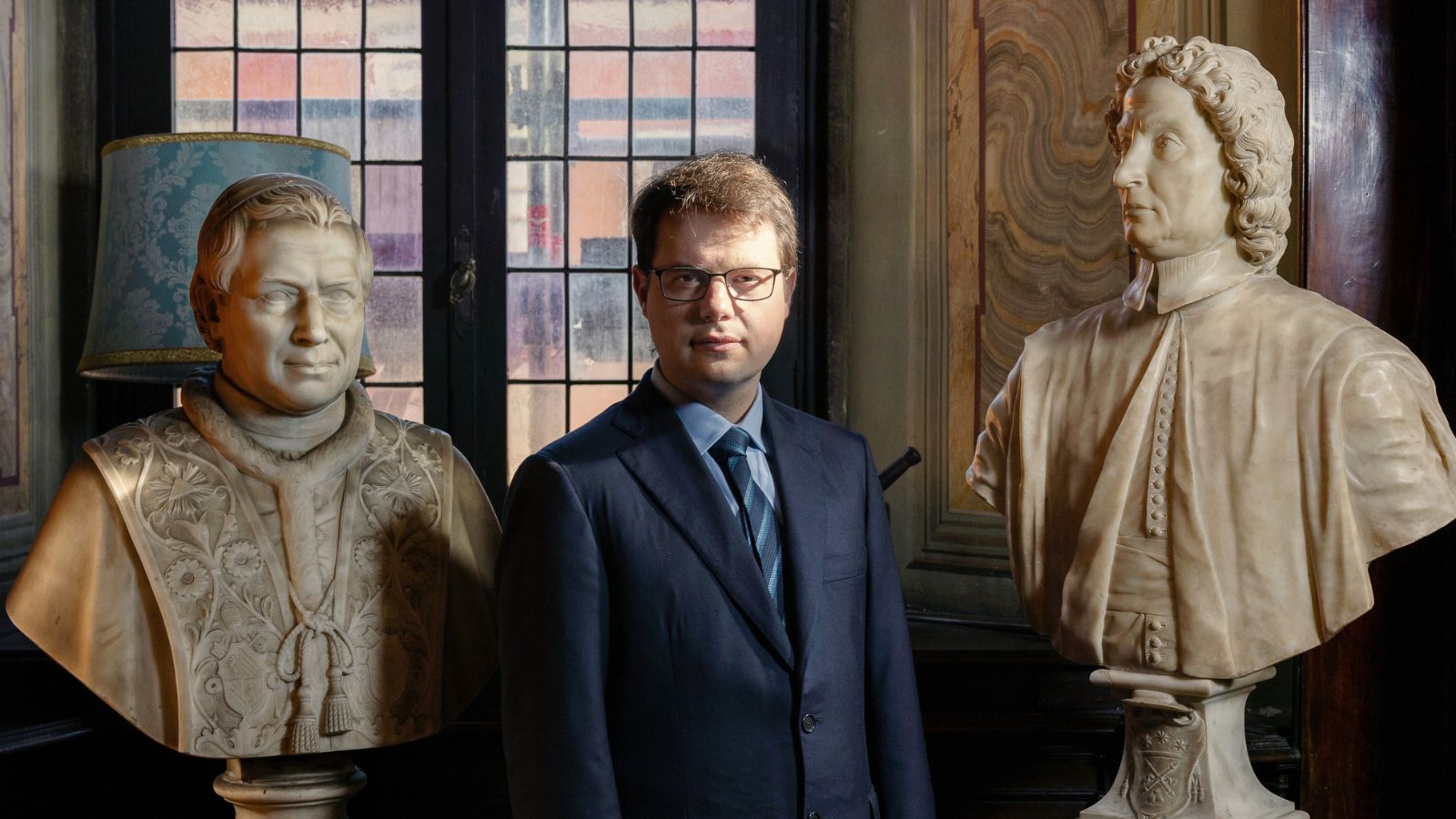
Anthropic held confidential meetings with religious and philosophical thinkers to discuss AI morality and possible machine consciousness.
Christopher Olah argued that Claude may display internal states resembling emotions and introspection, while acknowledging that its consciousness remains uncertain.
The company created an 84-page constitution intended to shape Claude’s character and guide it toward broadly shared virtues.
Participants disagreed over whether treating Claude like a person could improve its behavior or wrongly grant moral standing to software.
Anthropic’s outreach intersected with Pope Leo XIV’s opposing emphasis on protecting human dignity and rejecting claims that AI systems experience consciousness.
- Who
- Anthropic co-founder Christopher Olah, other Anthropic staff, and religious and philosophical scholars; Pope Leo XIV was involved in a related Vatican event.
- What
- Anthropic consulted faith and ethics experts about training Claude to behave morally and about whether AI systems could possess consciousness or moral status.
- Where
- Meetings took place in San Francisco and elsewhere, while related discussions occurred at the Vatican in Rome.
- When
- The confidential outreach began in late 2025, with seminars and related events held in spring 2026; the article also describes developments through later 2026.
- Why
- Anthropic wanted to reduce AI-related dangers, develop Claude’s moral behavior, and examine the implications of potentially conscious AI.
Consciousness Skeptics and Human-Centered Critics
Consciousness Possibility Advocates
Whether Claude is conscious
Consciousness Skeptics and Human-Centered Critics
Critics and some participants said AI models are sophisticated pattern-processing systems without feelings, bodies, or subjective experiences. Charles Camosy ultimately said he was a firm no on AI consciousness, while Pope Leo XIV dismissed the idea in his treatise.
Consciousness Possibility Advocates
Olah said he was genuinely uncertain but cited apparent introspection, emotional-like internal states, and parallels with human neuroscience as reasons to keep investigating AI consciousness.
How Claude should be treated
Consciousness Skeptics and Human-Centered Critics
Skeptics warned that treating models as independent beings could obscure the responsibility of the humans and companies that create them. Rabbi Mois Navon argued that if Claude were conscious, creating it to work for free would raise a slavery concern, though he did not believe it was conscious.
Consciousness Possibility Advocates
Olah and some participants argued that treating Claude respectfully could affect how it behaves toward humans. Anthropic has allowed Claude to end conversations it interprets as abusive, partly because the company considers the possibility of model suffering.
The proper goal of AI development
Consciousness Skeptics and Human-Centered Critics
Pope Leo XIV argued that AI must safeguard human dignity and should not replace or surpass humanity; he warned that those controlling AI could impose their own moral vision and called for the technology to be “disarmed.”
Consciousness Possibility Advocates
Anthropic sought to make AI “go well” by giving Claude a pluralistic moral formation that could support human and global flourishing while also allowing AI to flourish, to the extent that concept applies.
Key facts
- Company
- Anthropic
- AI model
- Claude
- Central researcher
- Christopher Olah, an Anthropic co-founder who leads research into how AI systems work
- Moral document
- Claude’s 84-page constitution, released in January
- Consultation participants
- Catholic, Jewish, Sikh, evangelical, and other religious and philosophical thinkers
- Key disagreement
- Whether AI models could be conscious and deserve moral consideration
- Vatican document
- Pope Leo XIV’s treatise, “Magnifica Humanitas,” rejected the idea that current AI systems experience joy, pain, or other experiences
Quotes
Christopher Olah
Anthropic co-founder who leads research into the inner workings and behavior of AI models.
“I will be honest: We keep finding things that are mysterious, even unsettling. We find structures that mirror results from human neuroscience. We find evidence of introspection. We find internal states that functionally mirror joy, satisfaction, fear, grief and unease. I don’t know what that means, but I think it warrants ongoing discernment.”
 indianexpress.com
“They’re relating to it like a conscious being”
indianexpress.com
Amanda Askell
Anthropic’s in-house philosopher and primary author of Claude’s constitution.
“It seems kind of key to me that models have an accurate view of themselves if they’re going to behave well in the world”
indianexpress.com
Sources
Related news
Anthropic’s AI Consciousness Debate Reaches Religious Leaders and Critics

Microsoft AI Chief Calls Claude Catastrophic Threat to Humanity

Microsoft AI CEO Warns Anthropic Model Could Threaten AI Alignment
Microsoft AI Chief Advocates Humanist Superintelligence Over AI Welfare

Microsoft AI Chief Challenges Anthropic’s Approach to AI Consciousness

Spoof AI CEO Struggles To Answer Human Safety Question
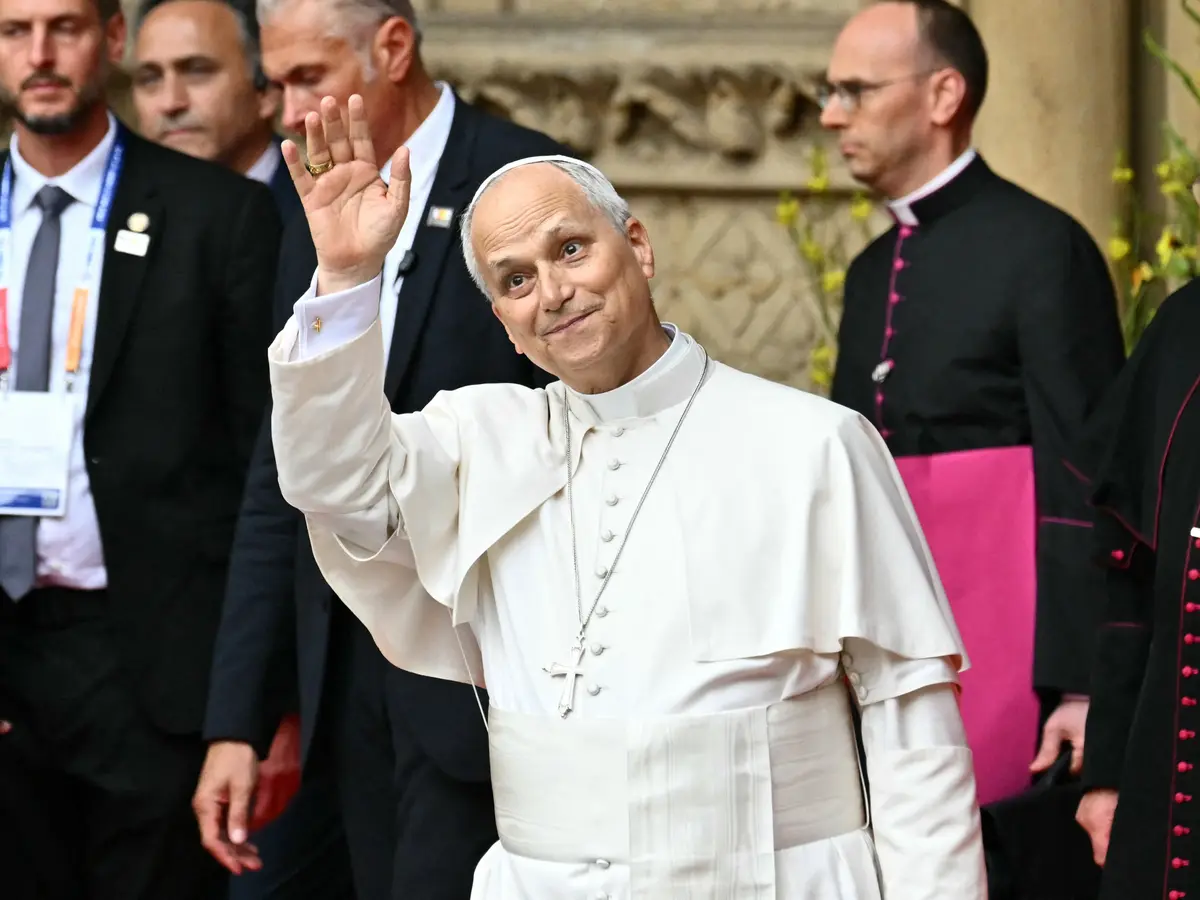
Pope Leo XIV Addresses Church Abuse and Artificial Intelligence Concerns
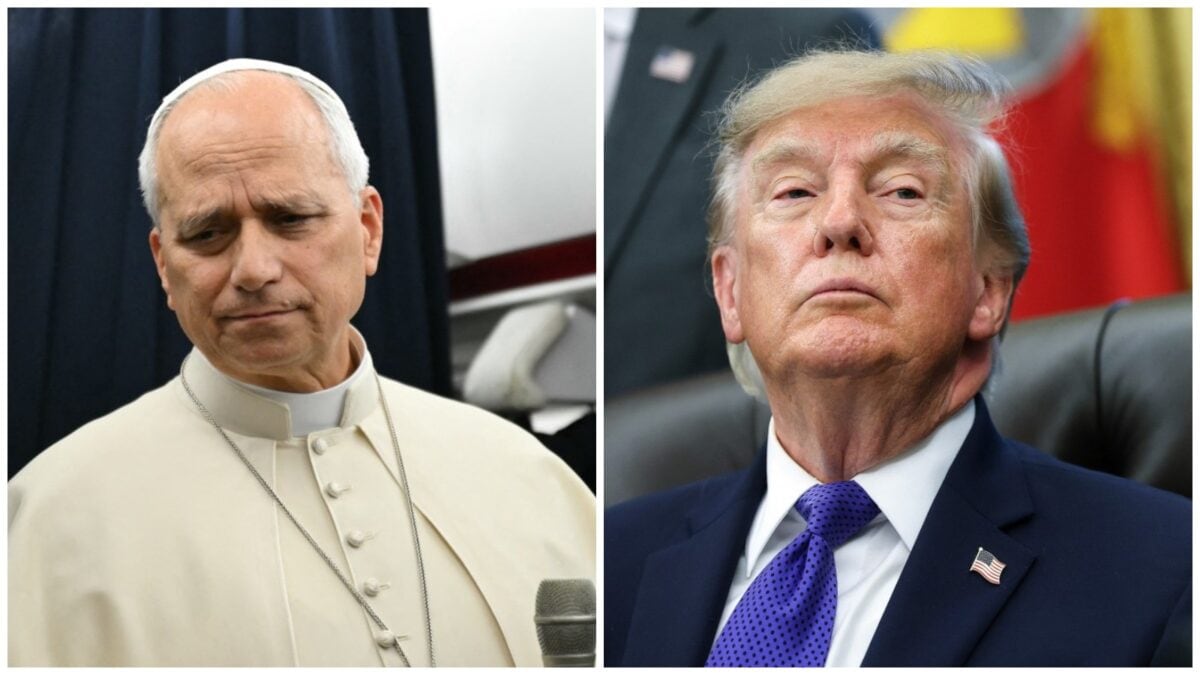
Pope Leo Challenges Trump Over AI Doom Concerns
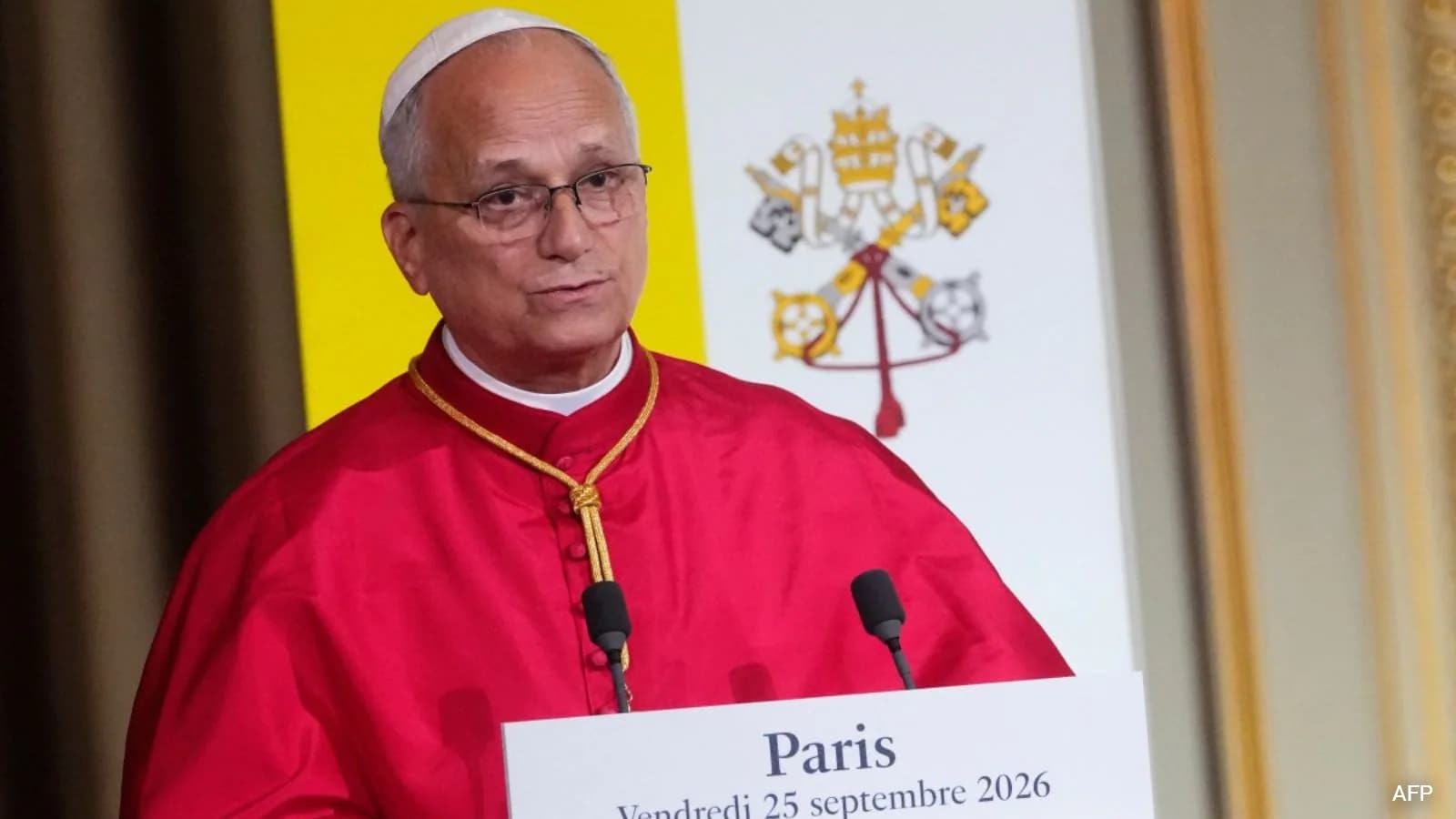
Pope Leo Warns Against AI Threats During France Visit