

Archive · 24 Sep 2025
Poona Pact: Ambedkar and Gandhi's Historic Agreement
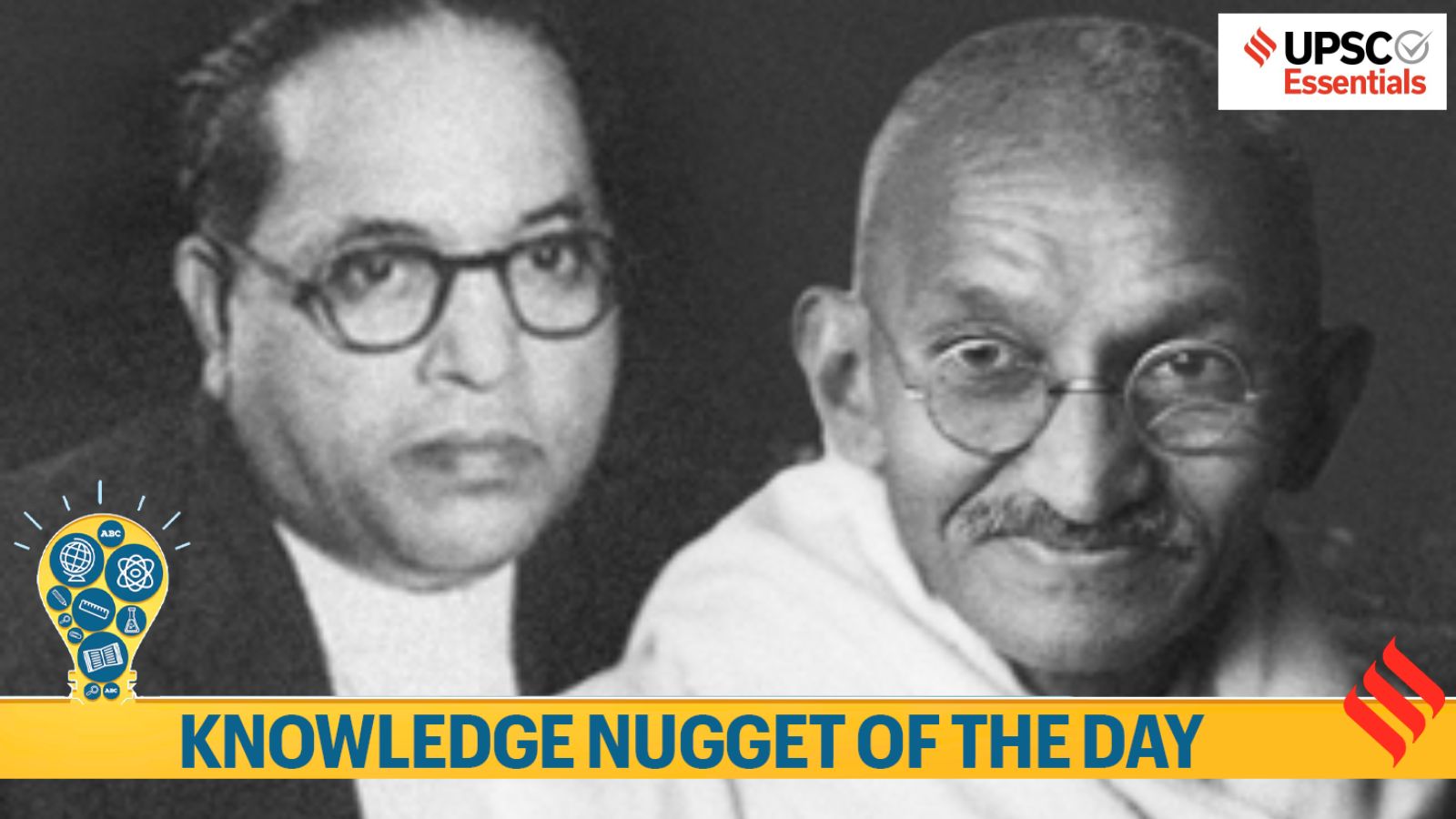
In 1932, Indian leaders Gandhi and Ambedkar clashed over how to represent the Depressed Classes (Dalits) in politics.
Ambedkar wanted separate electorates, allowing Dalits to elect their own representatives.
Gandhi opposed this, fearing it would divide Hindus.
Gandhi went on a hunger strike in jail to protest, leading Ambedkar to negotiate.
They reached an agreement called the Poona Pact, which replaced separate electorates with reserved seats for Dalits within the existing electoral system.
This pact aimed to give Dalits a voice while maintaining unity.
The agreement came after the British government proposed separate electorates for the Depressed Classes.

The Poona Pact was signed in September 1932 at Yerawada Central Jail in Pune.
Mahatma Gandhi began fasting to protest the separate electorates for the Scheduled Castes.
B.R. Ambedkar advocated for separate electorates to empower lower castes politically.
Gandhi opposed separate electorates, fearing they would divide the Hindu community.
The pact replaced separate electorates with reservations for the Depressed Classes.
- Who
- B.R. Ambedkar and Mahatma Gandhi
- What
- The Poona Pact, an agreement regarding the political representation of the Depressed Classes.
- When
- Signed on September 24, 1932.
- Where
- Yerawada Central Jail, Pune.
- Why
- To replace the separate electorates with reservations for the Depressed Classes.
Ambedkar's View
Gandhi's View
Separate Electorates
Ambedkar's View
Believed separate electorates were necessary for the Depressed Classes to gain political power and challenge their subservient position.
Gandhi's View
Feared separate electorates would divide Hinduism and felt it would do little for the lower castes.
- Date
- September 24, 1932
- Location
- Yerawada Central Jail, Pune
- Signatories
- B.R. Ambedkar (Dalits), Madan Mohan Malviya (on behalf of Gandhi)
- Replaced
- Separate electorates
- Implemented
- Reservations for Depressed Classes