

Archive · 17 Aug 2025
Women's Changing Relationship With Leisure and Freedom
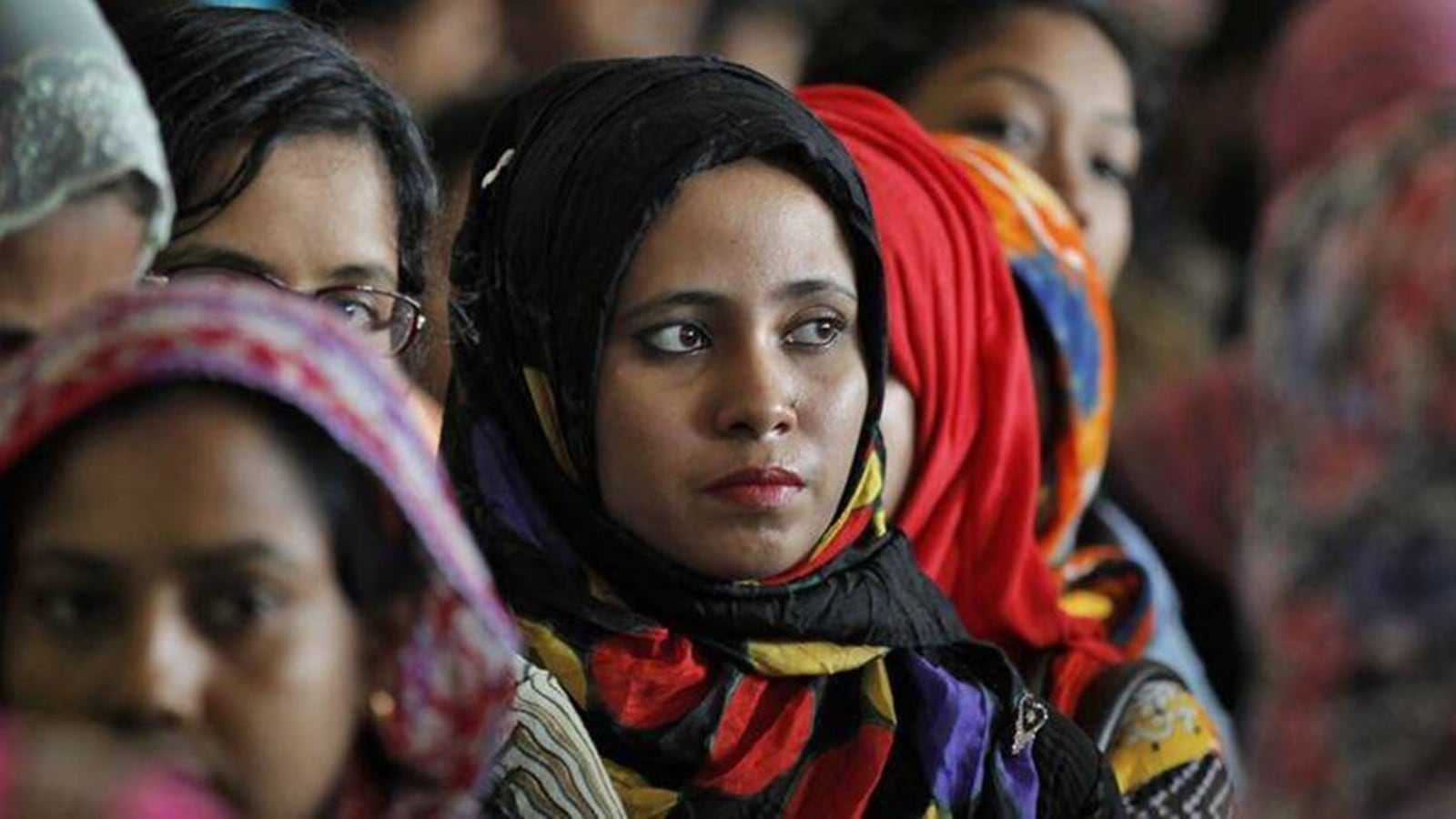
In the past, women often worked constantly, with little time for themselves.
The author reflects on her mother's generation, who rarely had free time.
Today, we encourage children to experience 'boredom', a concept her mother didn't understand.
Leisure time is important, but women often find it difficult to fully relax.
Historically, women's clothing restricted their physical movement.
True freedom is about having time for leisure and being able to express ourselves, whether in a saree or shorts.
Leisure is not a luxury, but something women must create for themselves.

Historically, women were often denied the privilege of leisure due to societal constraints.
The author contrasts the busy lives of previous generations of women with the current emphasis on children experiencing 'boredom'.
Women's access to leisure can be a liberation from the demands of life, with religion and necessary activities providing rare moments of respite.
The meaning of 'rest' and 'switching off' carries significant mental load for women, often involving a performative aspect.
Sartorial freedom, particularly in Western cultures, came about through increased interest in sports, reflecting economic independence.
- Who
- The author discusses women, particularly those from older generations.
- What
- An exploration of women's historical and current access to leisure and its impact on their lives.
- When
- The article contrasts the past with the present.
- Where
- The author's reflection focuses on experiences in rural India and Western societies.
- Why
- To emphasize the importance of leisure and freedom for women.
Historical Constraints
Contemporary Freedom
Leisure
Historical Constraints
Women had very little free time.
Contemporary Freedom
Women today, should experience leisure, by contrast
- Author
- Meenakshi Jha, a freelance writer
- Topic
- Women and Leisure
- Focus
- Historical and Contemporary Perspectives
- Key Idea
- Leisure as a hard-won right for women