Archive · 4 Aug 2025
Bacteria Sent to ISS to Study Disease in Space
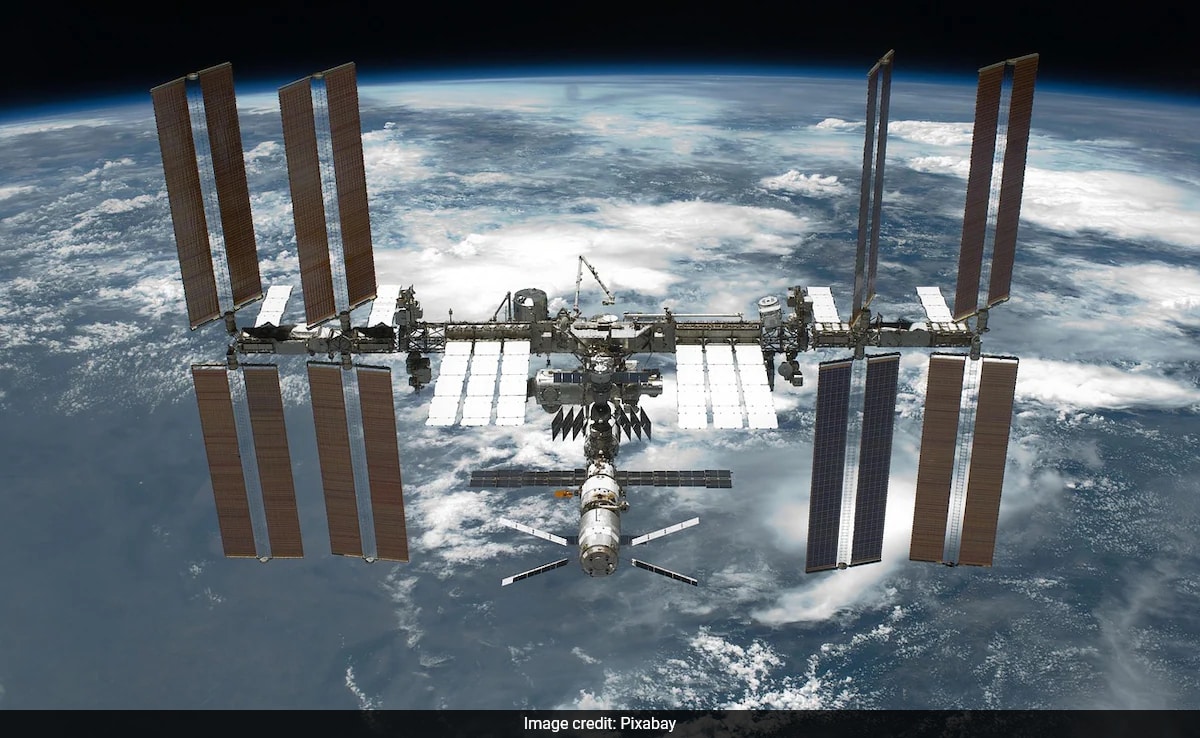
Scientists are sending disease-causing bacteria to the International Space Station to study how they behave in space.
They want to see if the bacteria grow differently, become more resistant to antibiotics, or change in ways that could harm astronauts.
This research could help doctors better protect astronauts during long space trips.
The experiment will look at how the bacteria's genes change in space and then compare them to bacteria grown on Earth.

SpaceX launched a mission to the ISS carrying astronauts and disease-causing bacteria.
The study, led by Sheba Medical Center and SpaceTango, examines bacterial growth in microgravity.
The experiment includes E. coli and Salmonella species.
Scientists will study how space affects bacterial behavior, including antibiotic resistance and virulence.
The research aims to understand infectious disease risks in space and expand knowledge of gene regulation.
- Who
- Scientists at Sheba Medical Center and SpaceTango.
- What
- Experiment studying the effects of microgravity on disease-causing bacteria.
- When
- The experiment was launched on August 1.
- Where
- International Space Station (ISS).
- Why
- To understand how bacteria behave in space and protect astronauts.
- Mission
- SpaceX Crew-11
- Participating Organizations
- Sheba Medical Center, SpaceTango
- Bacteria Studied
- E. coli, Salmonella species
- Objective
- Study bacterial growth and gene expression in microgravity
- Goal
- Protect astronaut health on long-duration missions