

Archive · 31 Oct 2025
Global Powers Vie for Kenyan Rare Earths, Sparking Local Concern
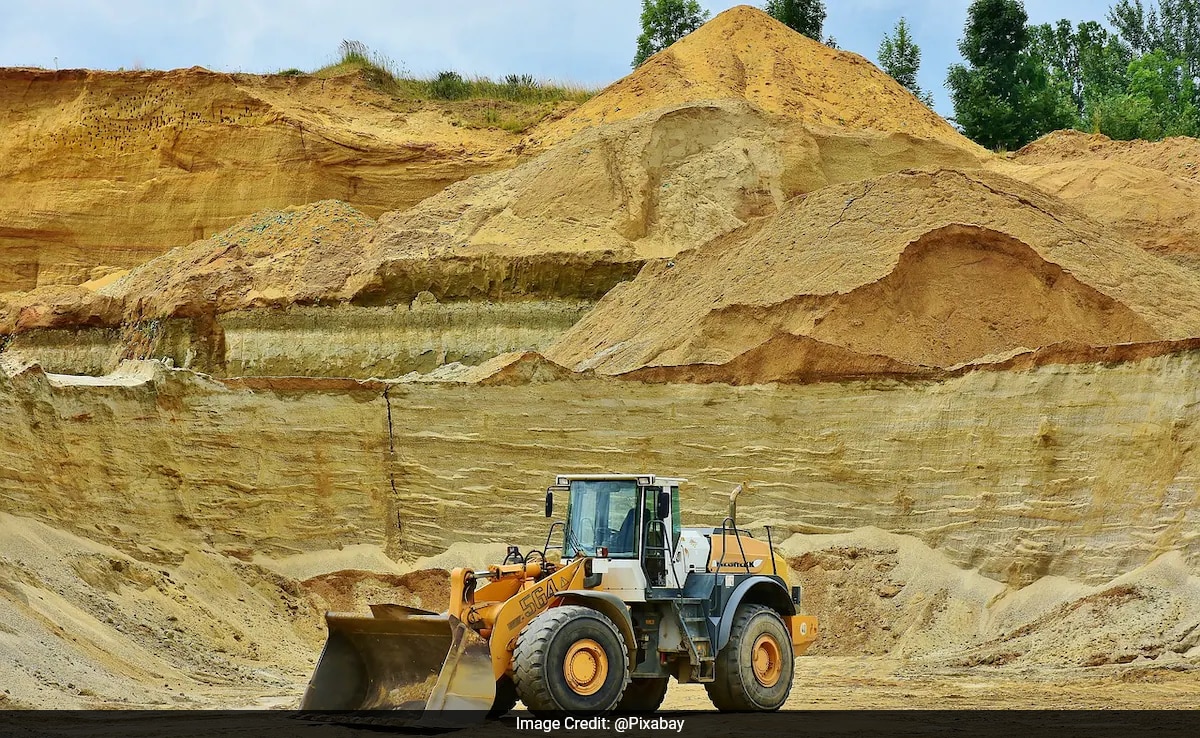
Imagine a special forest in Kenya called Mrima Hill, which has very valuable rocks called rare earths.
These rocks are needed to make phones, computers, and green energy stuff.
Because these rocks are so important, countries like the United States and China want to mine them.
A company even thought they were worth billions of dollars!
The people who live near the forest are worried they might lose their homes or sacred places.
Some people in the community are also hoping that mining could help them escape poverty.
The Kenyan government is trying to make new rules to attract mining companies but also wants to do things the right way.
It's a big race to get these special rocks, but everyone hopes it can be done fairly.

Mrima Hill in Kenya is rich in rare earth minerals and niobium, attracting interest from the US, China, and Australian firms.
Cortec Mining Kenya estimated the deposits to be worth $62.4 billion in 2013.
The local Digo community fears displacement, loss of sacred sites, and environmental damage.
Kenya is implementing mining reforms to attract investors amid global competition, aiming to boost the mining sector's contribution to GDP.
Some locals see mining as an opportunity to alleviate poverty, while others prioritize the preservation of their traditional livelihoods and environment.
- Who
- Global powers (US, China, Australia) and mining companies, alongside the local Digo community, Kenyan government.
- What
- Intense international interest and competition to mine rare earth minerals, including niobium, located in Mrima Hill forest.
- When
- Recent months, with historical context dating back to 2013 and future aspirations for 2030.
- Where
- Mrima Hill, a forest near Kenya's coast.
- Why
- Rare earths are vital for high-tech and low-carbon industries, and China's export limitations are driving global competition. Kenya seeks to boost its economy through mining reforms.
Community Concerns
Development Opportunity
Impact on Livelihoods and Environment
Community Concerns
Locals worry about eviction, loss of sacred shrines, destruction of indigenous trees, and the impact on farming and traditional livelihoods in the historically significant Mrima Hill forest.
Development Opportunity
Some community members see mining as a chance to escape extreme poverty and improve their economic situation, believing they can profit from the minerals rather than live in hardship.
Transparency and Past Irregularities
Community Concerns
There is suspicion due to past opaque dealings, including a revoked mining license for Cortec Mining Kenya amid allegations of corruption and bribery, leading to a desire for fair and transparent processes.
Development Opportunity
The Kenyan government is enacting 'bold reforms,' including tax breaks and improved licensing transparency, to attract legitimate investment and boost the mining sector's economic contribution.
Resource Management and National Interest
Community Concerns
Experts caution against a 'romantic view' of mining, emphasizing the need for reliable data, adherence to law, and subjugating individual interests to the nation's benefit to avoid risks like corruption.
Development Opportunity
Kenya views the global demand for rare earths, particularly with China's export limits, as a significant opportunity to increase its GDP and attract foreign investment through reforms.
- Location
- Mrima Hill, Kenya
- Minerals
- Rare earths, Niobium
- Estimated Value (2013)
- $62.4 billion
- Key Players
- Cortec Mining Kenya, Pacific Wildcat Resources, RareX, Iluka Resources, US, China
- Kenya's Mining Sector Goal
- 10% of GDP by 2030