

Archive · 25 Aug 2026
SLBC Tunnel Clears Shear Zone After Fatal Collapse
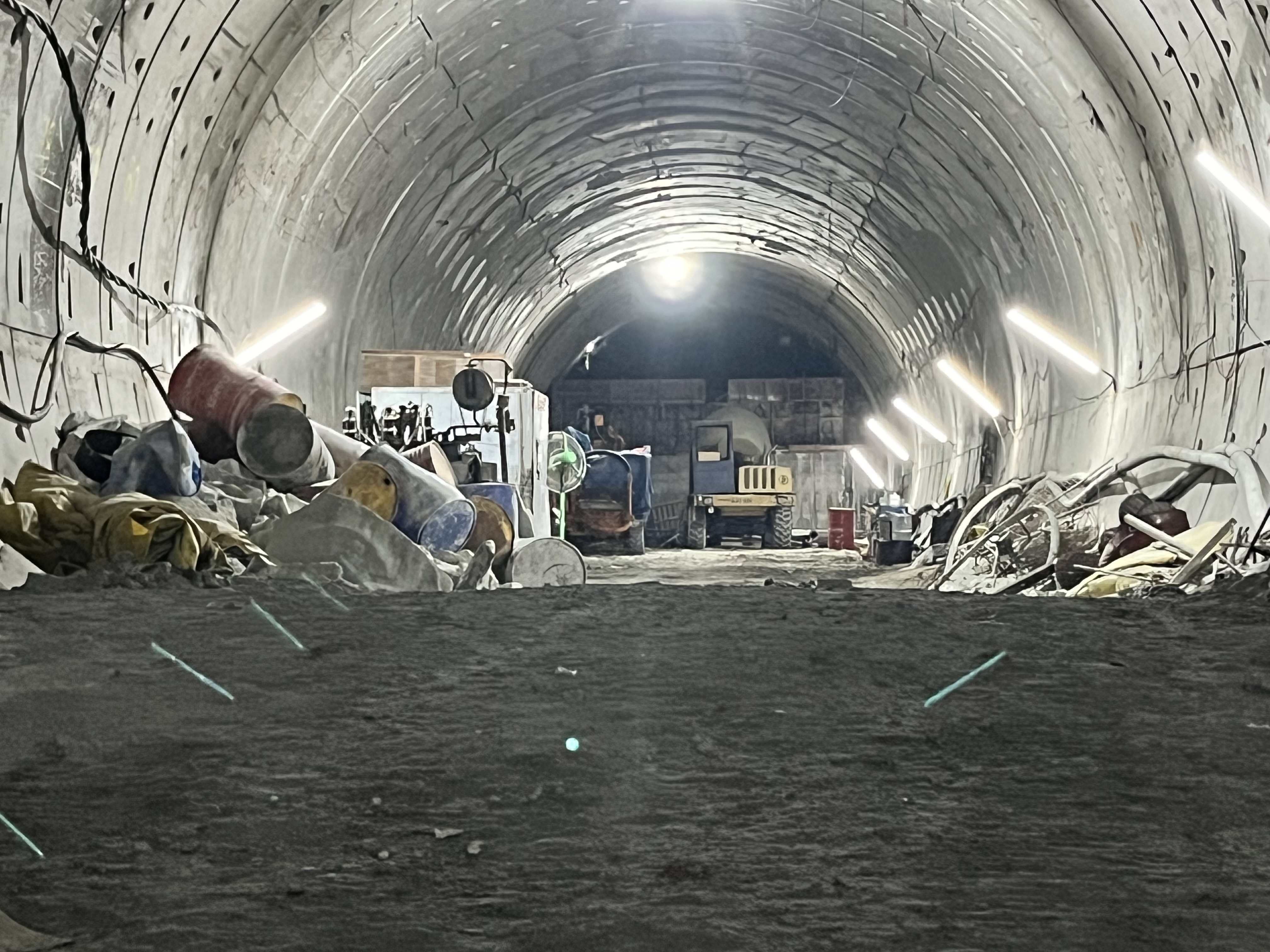
Workers are building a long water tunnel in Telangana.
Part of the tunnel collapsed in February 2025, and eight workers died.
Work stopped while rescuers searched for the workers and engineers studied the rocks.
The builders changed the tunnel’s direction to avoid the most dangerous part.
They used steel pipes, cement grouting, and careful digging to make the area safer.
The team has now passed through the weak rock zone.
About 150 metres of new tunnel has been dug since work restarted.
Engineers say they will continue slowly and carefully near any other weak areas.

Workers have safely crossed a dangerous shear zone in the SLBC tunnel.
The tunnel was realigned left to avoid the widest unstable section.
Eight workers died in a February 2025 collapse; two bodies were recovered.
About 150 metres has been excavated since work resumed using drill-and-blast methods.
Engineers spent a month stabilising and carefully crossing the roughly 14-metre zone.
- Who
- Jaiprakash Associates, Telangana irrigation officials, Border Roads Organisation expert Col Parikshit Mehra, and tunnelling teams are working on the project.
- What
- The SLBC tunnel project has crossed a dangerous shear zone after its alignment was changed and the section was stabilised.
- When
- The collapse occurred on February 22, 2025; work resumed on February 22, and the shear-zone crossing was completed during the past week.
- Where
- The inlet work is at Domalapenta beside the Srisailam reservoir in Nagarkurnool district, with the tunnel extending toward the outlet in Nalgonda district.
- Why
- The alignment was changed to reduce the tunnel’s exposure to unstable rock and improve safety after the collapse.
- Project
- Srisailam Left Bank Canal tunnel
- Collapse date
- February 22, 2025
- Collapse toll
- Eight workers died; two bodies were recovered
- Original collapse location
- Approximately the 13.5-kilometre point
- Excavation since restart
- About 150 metres
- Construction method
- Drill-and-blast
- Shear-zone crossing
- About one month, with steel pipes and grouting used for stabilisation
- Reported shear-zone size
- The article describes 10–14 metres in the revised alignment, while an accompanying graphic refers to a 20-metre section