

1 week ago
Mahim’s Koli Community Prepares Boats For Narali Purnima

Narali Purnima is an important festival for people who live and work near the sea.
Mumbai’s Koli community celebrates it with special prayers and traditions.
In Mahim, fishermen clean and paint their boats before the festival.
They decorate the boats with flags, flowers and other colourful items.
People offer coconuts to the sea as a sign of thanks.
They also pray for protection from dangerous waters.
The festival marks the traditional beginning of a new fishing season after the monsoon.
Families gather to cook, pray and celebrate their connection to the sea.

Mahim’s Koli community is preparing for Narali Purnima on August 28, 2026.
The festival is celebrated on the full moon day of Shravan and is also called Coconut Day.
Fishermen are cleaning and repainting boats and adding flags, flowers and traditional decorations.
Community members offer coconuts to the sea to express respect and gratitude.
The festival marks the traditional start of the fishing season after the monsoon and includes prayers for safety and prosperity.
- Who
- Mumbai’s coastal Koli community, particularly fishermen in Mahim.
- What
- Preparations are underway for Narali Purnima, including boat decorations, prayers and coconut offerings to the sea.
- Where
- Mahim in Mumbai, with the festival also observed in Maharashtra, Goa and other Konkan coastal areas.
- When
- The festival will be observed on August 28, 2026, on the full moon day of Shravan.
- Why
- The festival marks the traditional start of the fishing season after the monsoon and seeks safety, protection and prosperity for fishermen.
Key facts
- Festival
- Narali Purnima, also known as Narali Poornima or Coconut Day
- 2026 date
- August 28, 2026
- Community
- Mumbai’s Koli fishing community
- Preparations
- Boats are cleaned, repainted and decorated with flags, flowers and traditional ornaments.
- Main ritual
- Coconuts are offered to the sea as a gesture of respect and gratitude.
- Religious timing
- The festival takes place on the full moon day of the Hindu month of Shravan.
- Cultural meaning
- It represents maritime heritage, connection to the sea and the beginning of the traditional fishing season.
Sources
Related news

Coastal Koli Communities Celebrate Narali Purnima With Sea Rituals

Fadnavis Extends Narali Purnima Wishes As Coastal Communities Prepare
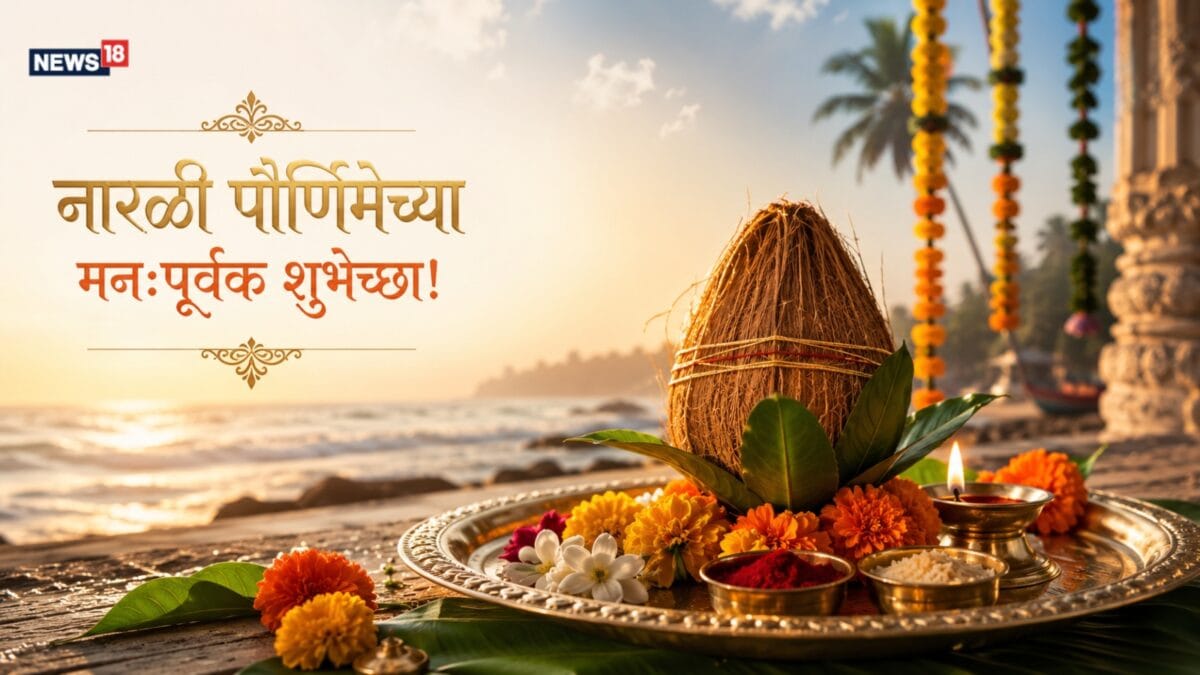
Narali Purnima 2026: Wishes, Traditions and Coastal Maharashtra Celebrations

Narali Purnima 2026: Marathi Wishes and Coastal Traditions

Narali Bhaat: Maharashtra’s Sweet Dish for Narali Purnima

Mumbai Prepares for Week of Onam, Eid-e-Milad and Festivals

Cobra Hatchling Rescued Safely From Mumbai Hospital Storeroom

Disabled Passenger Dies After Alleged Push From Mumbai Local Train

62-Year-Old Dies After Alleged Push From Mumbai Local
