

Archive · 10 Oct 2026
NGT Orders Regular Pesticide Checks at Bhopal’s Upper Lake
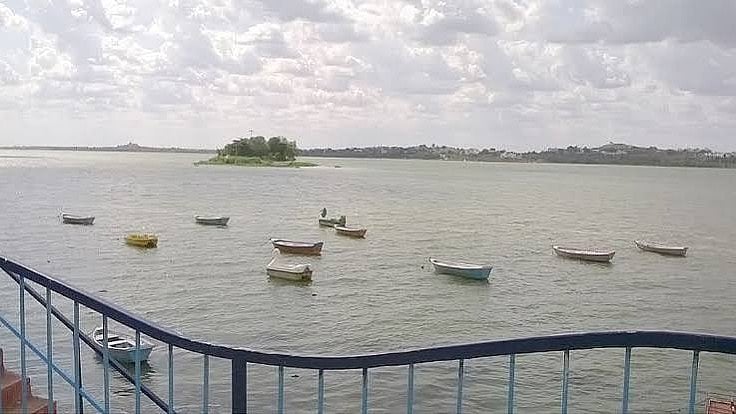
Bhopal’s Upper Lake is an important source of drinking water.
The National Green Tribunal is concerned that pesticides used on water chestnuts could affect the lake and food.
Inspectors saw water chestnut and lotus plants but did not see spraying during their visit.
Tests from one place found no pesticide residues, but that was not enough to know what is happening everywhere in the lake.
The tribunal has ordered regular water testing.
It also asked experts to test water chestnuts for harmful chemicals within three months.
Officials must check that cultivation follows the rules and encourage farmers to use organic methods.

The National Green Tribunal directed Madhya Pradesh Pollution Control Board to regularly test Upper Lake water for pesticide residues.
The Indian Agricultural Research Institute must test water chestnuts for residues and harmful chemicals and assess food safety within three months.
A committee found water chestnut and lotus cultivation near Borvan Park, but observed no pesticide spraying, equipment, or dead fish during its inspection.
Samples from one location showed no detected pesticide residues or faecal coliform, but the tribunal said this could not establish conditions across the lake.
The tribunal also ordered cultivation safeguards and awareness programmes promoting organic farming and discouraging chemical pesticides.
- Who
- The National Green Tribunal issued directions to the Madhya Pradesh Pollution Control Board, Indian Agricultural Research Institute, Bhopal Municipal Corporation, and Agriculture Department.
- What
- It ordered regular lake-water monitoring, water chestnut safety testing within three months, cultivation safeguards, and organic farming awareness.
- When
- The joint committee inspected the lake on October 1, 2026; crop testing reports are due within three months.
- Where
- Bhopal’s Upper Lake, including an inspection site near Borvan Park in Bairagarh, Madhya Pradesh.
- Why
- The tribunal is addressing concerns about pesticide use in water chestnut cultivation and the possible effects of water hyacinth on oxygen levels and aquatic life.
Evidence of pesticide use
Limits of the inspection findings
Whether testing establishes pesticide use
Evidence of pesticide use
Concerns about chemical pesticide spraying on water chestnut crops prompted the tribunal to order regular water monitoring and crop safety tests.
Limits of the inspection findings
The inspection team saw no spraying or equipment, and samples from one location showed no pesticide residues; the tribunal cautioned that one sampling location and time could not establish conditions across the lake.
- Tribunal
- National Green Tribunal (NGT)
- Lake
- Upper Lake, Bhopal
- Inspection date
- October 1, 2026
- Inspection finding
- Water chestnut and lotus cultivation were observed; no pesticide spraying, spraying equipment, or dead fish were seen at the inspected site.
- Water sample results
- Dissolved oxygen: 6.1 mg/l; BOD: 2.4 mg/l; COD: 9.6 mg/l; no pesticide residues or faecal coliform detected.
- Testing deadline
- The Indian Agricultural Research Institute must assess water chestnuts within three months.
- Cultivation permissions
- The fisheries department told the NGT it had not authorised or recommended a lease for water chestnut cultivation in the Upper Lake.