

Archive · 5 Nov 2025
Best Preschools Foster 3-Year-Old Learning Through Play
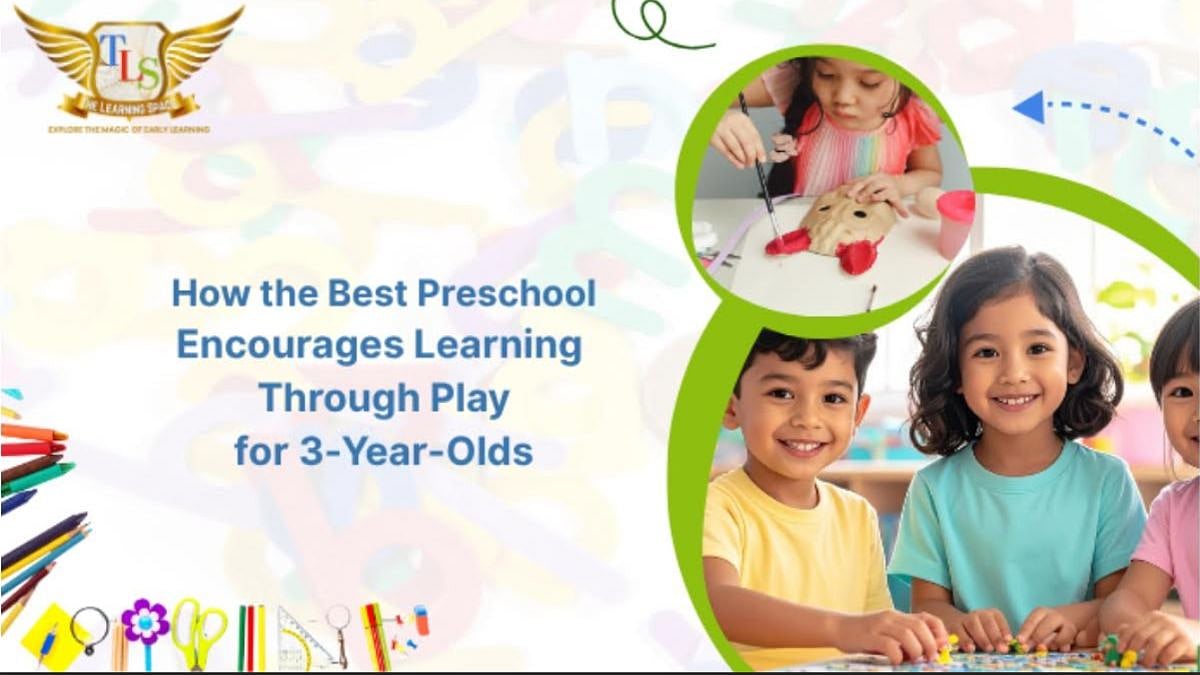
Imagine playing with toys, like building blocks or dressing up.
This isn't just fun; it's how little kids learn best!
The best preschools know this and let 3-year-olds learn by playing.
When children play, they learn about numbers, colors, and how to share with friends.
Teachers act like guides, helping them discover new things without making it feel like schoolwork.
They create safe and colorful classrooms with lots of fun things to explore.
Whether it's playing outside, pretending to be doctors, or building towers, each game teaches them something new.
This helps their brains grow, teaches them how to solve problems, and makes them excited about learning.
It also helps them make friends and understand their feelings.
So, playing is super important for getting ready for bigger school and for growing up happy and smart!

The best preschools use play as the primary method for 3-year-olds to learn and develop essential skills.
Play helps children acquire knowledge, social skills like sharing, and problem-solving abilities naturally.
Teachers act as facilitators, creating a safe environment and tailoring activities to children's interests and developmental needs.
Various play types, including free, guided, outdoor, pretend, and sensory play, contribute to holistic development.
Play-based learning builds a strong foundation for future academic success and fosters a lifelong love of learning.
- Who
- Top preschools and their teachers
- What
- Encouraging learning and development in 3-year-olds through various forms of play
- When
- For 3-year-olds
- Where
- Preschools, specifically mentioned for Noida parents
- Why
- Play is essential for 3-year-olds' cognitive, social, emotional, and physical development, building a foundation for future learning.
- Target Age Group
- 3-year-olds
- Core Educational Philosophy
- Learning through play
- Teacher's Role
- Facilitator, guiding and tailoring activities
- Key Play Types
- Free play, guided play, outdoor play, pretend play, sensory play
- Environmental Design
- Child-height shelves, varied play areas, well-lit, colorful classrooms
- Parent Involvement
- Encouraged through communication and at-home activities