

Archive · 14 Jan 2026
Delhi Launches Rs 350 Crore Startup Policy
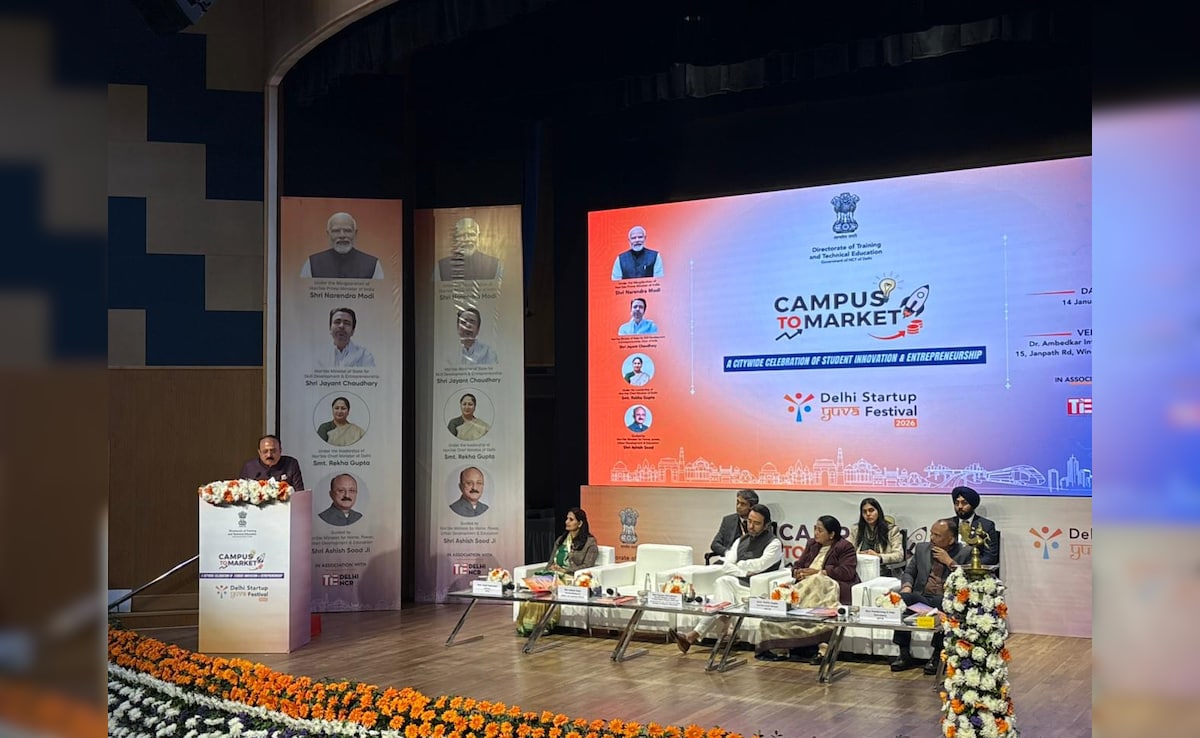
The Delhi government has launched a big plan called the Delhi Startup Policy 2025.
They will spend Rs.
350 crore over five years to help students start their own businesses.
This includes giving them money to start, helping them with experts, and connecting them with investors.
The plan aims to create 5,000 startups by 2035.
They also had a big festival called the Delhi Startup Yuva Festival 2026, where students showed off their business ideas.
Some students won money to help them grow their ideas.
One idea was an app that helps during disasters, and another was a special sanitary pad that doesn't harm the environment.
The government wants to make Delhi a big place for new businesses in India.

Delhi Education Minister Ashish Sood launched the Delhi Startup Policy 2025 with a Rs. 350 crore budget over five years.
The policy aims to support 5,000 startups by 2035 through equity-free seed funding, mentorship, and investor access.
The Delhi Startup Yuva Festival 2026 showcased over 100 student-led prototypes and early-stage ventures.
Six top startups received Rs. 10 lakh each in seed grants, and the top 100 received Rs. 1 lakh each.
Notable startups included Jatayu for disaster management and FlushSHE for biodegradable sanitary pads.
- Who
- Delhi Education Minister Ashish Sood and student entrepreneurs
- What
- Launch of Delhi Startup Policy 2025 and Delhi Startup Yuva Festival 2026
- When
- During the festival, specific dates not mentioned
- Where
- Dr. Ambedkar International Centre, Delhi
- Why
- To support student entrepreneurs and position Delhi as India's startup capital
- Policy Name
- Delhi Startup Policy 2025
- Budget
- Rs. 350 crore over five years
- Target Startups
- 5,000 by 2035
- Seed Grants
- Rs. 10 lakh each for top 6 startups, Rs. 1 lakh each for top 100
- Initial Disbursement
- Rs. 10 crore to 5,000 student teams
- Event Name
- Delhi Startup Yuva Festival 2026
- Event Location
- Dr. Ambedkar International Centre
- Participant Count
- Over 20,000 students