9 months ago
Supreme Court Clears Railway Employee After 37 Years, Highlighting Lack of Compensation for Legal Errors
Imagine a person who worked for the railway and was unfairly fired a very long time ago, 37 years to be exact.
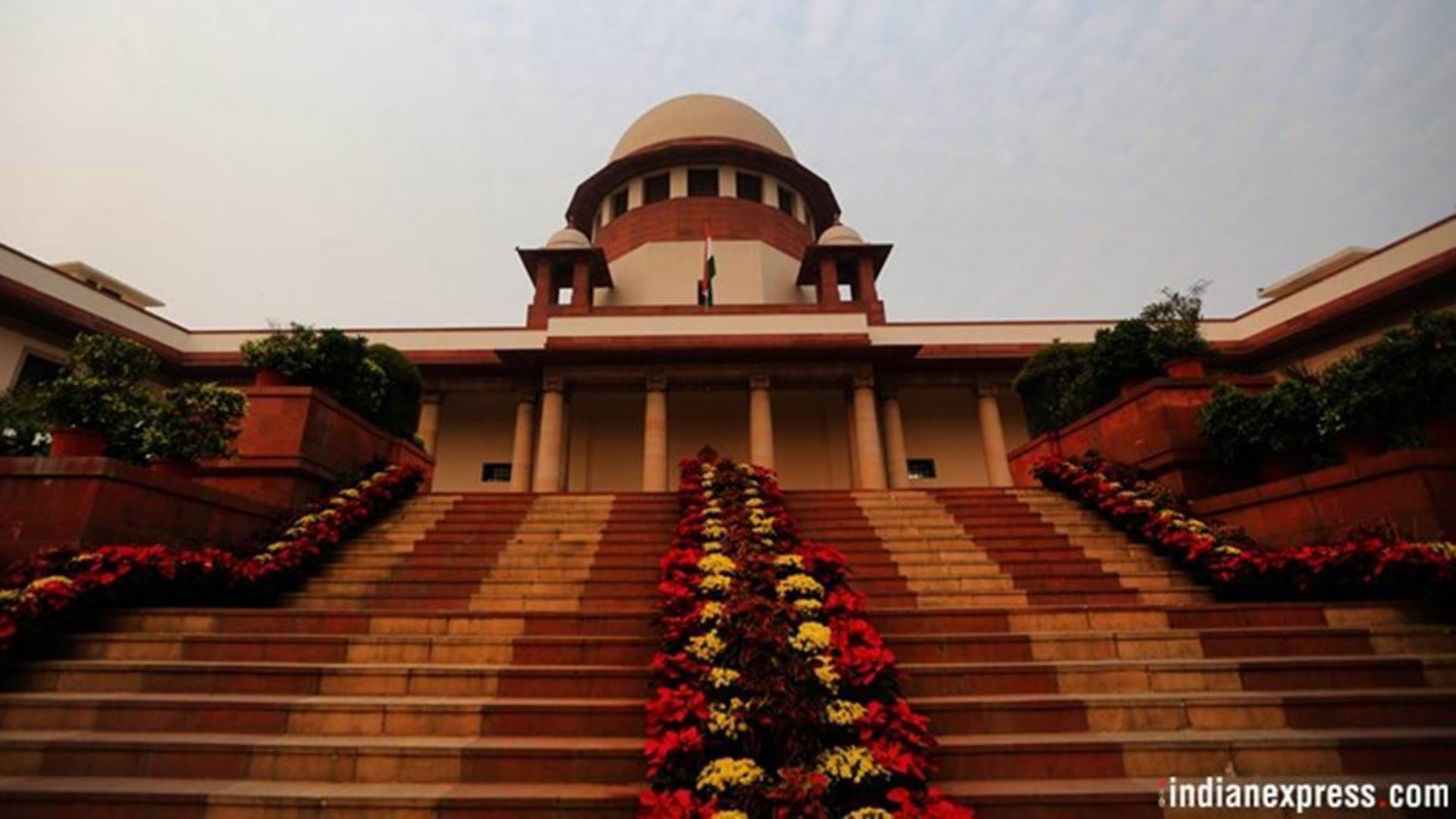
The Supreme Court, which is like the highest judge in the country, looked at the case and said the firing was wrong because there wasn't enough proof.
The person who was fired has since passed away, but the Court said their family should get the money and benefits they would have earned.
This case also showed that in India, there isn't a clear rule that says the government has to pay people back if they are wrongly accused of crimes or fired unfairly.
While courts can sometimes give money as a 'thank you' for the mistake, it's not guaranteed like a right.
This means many people who suffer because of mistakes by the legal system don't get any help, and it's hard for them to get justice.
Even famous cases, like that of scientist Nambi Narayanan who was wrongly accused, required a lot of fighting to get some compensation.

The Supreme Court overturned a 37-year-old dismissal of a railway travelling ticket examiner due to a flawed inquiry.
The court directed that the deceased employee's legal heirs receive consequential benefits.
India lacks a statutory scheme for compensating individuals subjected to wrongful prosecution, conviction, or official error.
Existing legal remedies are discretionary, costly, and uncertain, with limited token compensation for wrongful arrest.
Recommendations for a statutory compensation scheme, including from the Law Commission, remain unimplemented.
- Who
- A railway travelling ticket examiner and his legal heirs, the Supreme Court of India, and the State.
- What
- The Supreme Court set aside the dismissal of a railway employee after 37 years, finding the disciplinary inquiry perverse and unsupported by evidence. The judgment highlighted India's lack of a legal framework for compensating individuals subjected to wrongful legal actions.
- Where
- India
- When
- Last week, the Supreme Court delivered the judgment. The employee was dismissed 37 years prior.
- Why
- The disciplinary inquiry against the employee was found to be perverse and unsupported by evidence. The broader reason discussed is the absence of a statutory right to compensation in India for wrongful prosecution, conviction, or other adverse consequences due to official error.
Key facts
- Case Duration
- 37 years
- Employee's Status
- Deceased; legal heirs to receive benefits
- Legal Framework for Compensation
- Absen
- Maximum Token Compensation (India)
- Rs 1000 (under Bharatiya Nagarik Suraksha Sanhita, 2023)
- International Mandate
- International Covenant on Civil and Political Rights
- Law Commission Recommendation
- 277th Report (2018) - recommended statutory scheme