Archive · 31 Jul 2026
NavIC Loses Standalone Positioning, ISRO Plans New Satellites
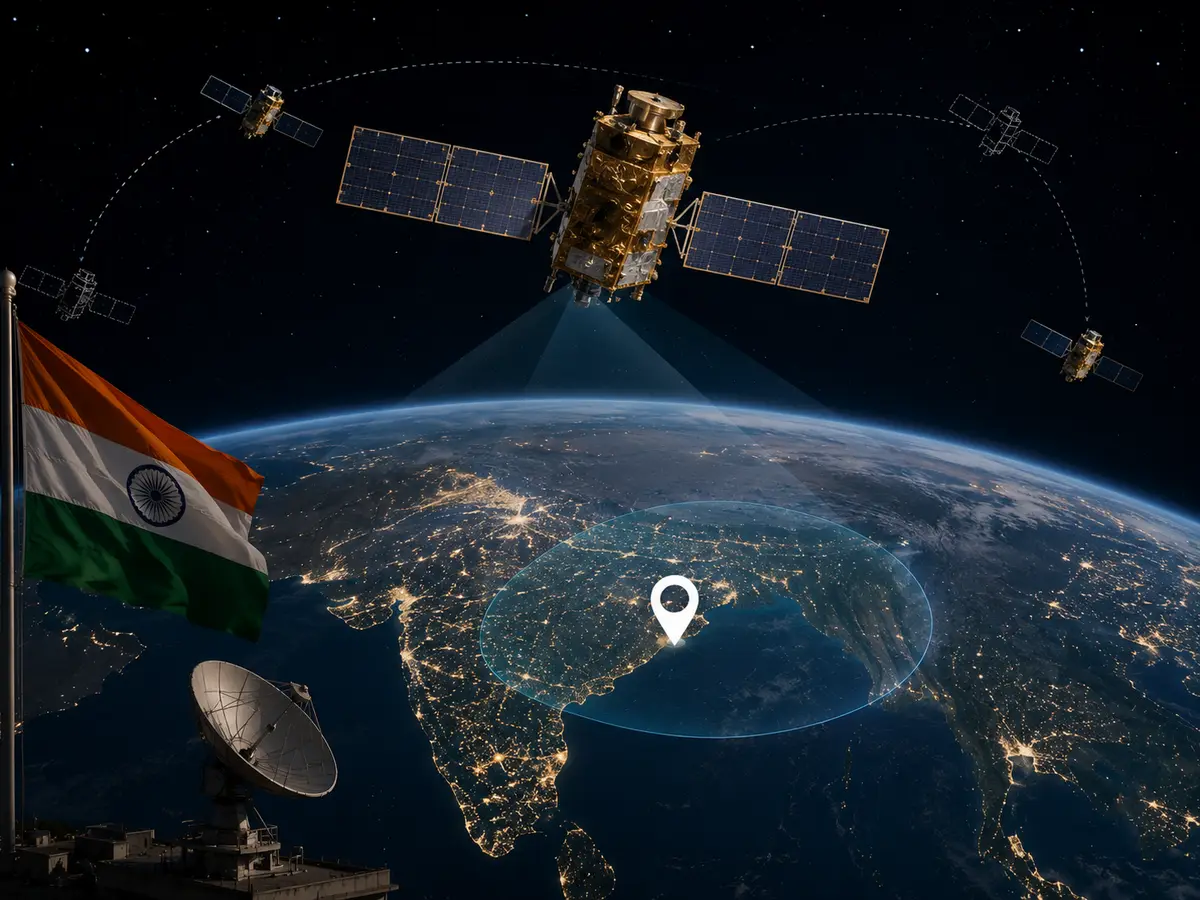
India’s NavIC satellite navigation system can’t give a phone or car its own location right now because it only has three working satellites.
A system needs at least four satellites to find a place on its own.
The timing part of NavIC still works, so it can help with time.
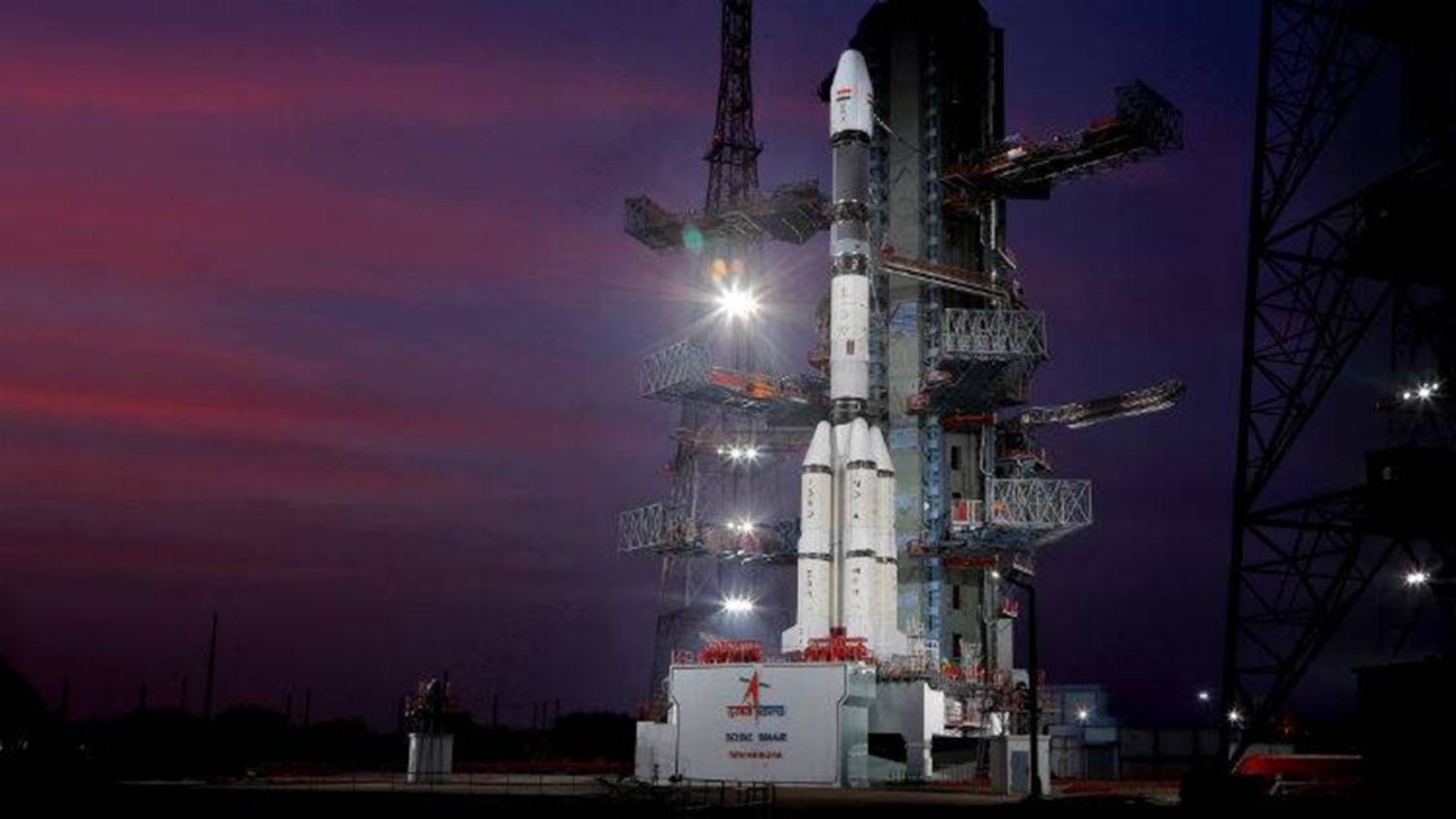
ISRO is building new satellites—NVS‑03 is ready to launch and NVS‑04 and NVS‑05 are almost finished—to bring the number back up.
The problem started when one satellite, IRNSS‑1F, finished its 10‑year life and stopped working, and another satellite, NVS‑02, didn’t reach orbit.

NavIC now has only three operational satellites: IRNSS‑1B, IRNSS‑1I, and NVS‑01.
A minimum of four satellites is required for standalone positioning, so NavIC cannot provide it.
The timing service of NavIC remains functional and is used with other GNSS systems.
ISRO plans to launch NVS‑03 and develop NVS‑04 and NVS‑05 to restore full capability.
The issue follows the 10‑year mission end of IRNSS‑1F and a failed NVS‑02 launch.
- Who
- Indian government, Dr Jitendra Singh, Indian Space Research Organisation
- What
- NavIC cannot provide standalone positioning services
- When
- March 2024 (IRNSS‑1F mission end) and present
- Where
- India, Parliament
- Why
- Only three operational satellites remain, below the minimum of four
- Operational satellites
- 3 (IRNSS‑1B, IRNSS‑1I, NVS‑01)
- Minimum required for standalone
- 4
- Timing service status
- Functional
- Upcoming satellites
- NVS‑03 ready, NVS‑04 & NVS‑05 advanced
- Last satellite mission ended
- IRNSS‑1F (March 2024)