

1 week ago
FCNR(B) Deposits Could Ease Liquidity Buffers and Lift Margins
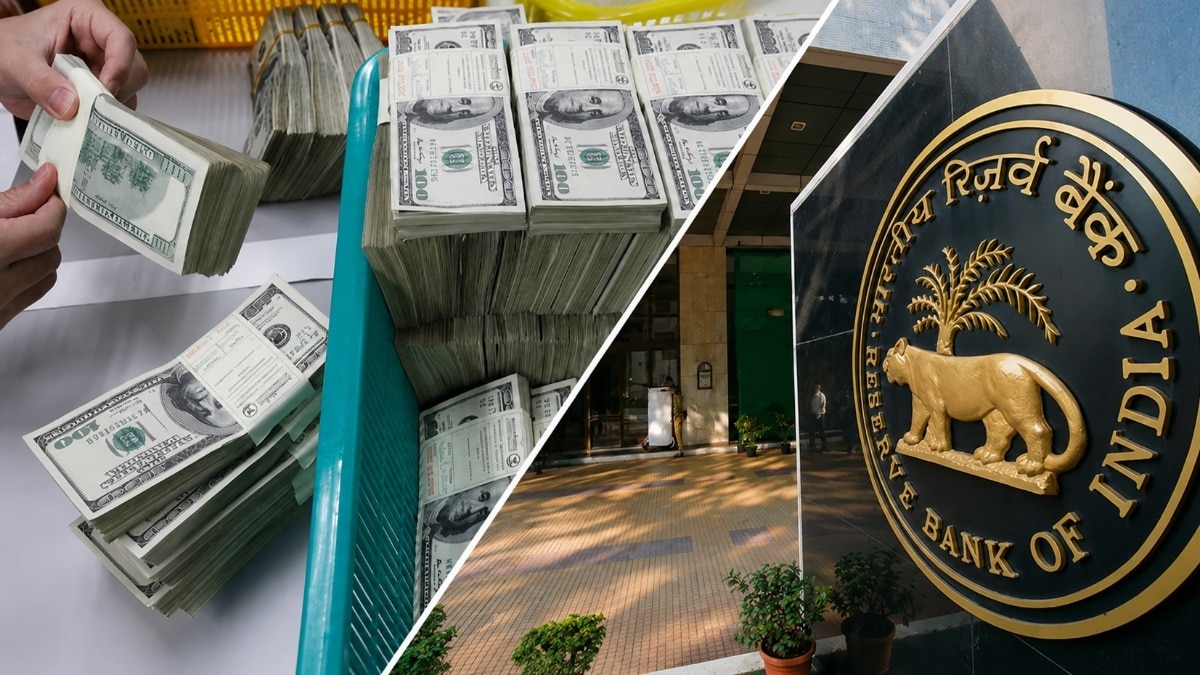
Banks must keep some safe money available in case customers withdraw their deposits.
FCNR(B) deposits may now be treated more like ordinary retail deposits when banks calculate this safety requirement.
Retail deposits generally require a smaller liquidity buffer than wholesale deposits.
This could let banks keep less money in low-earning safe assets.
They may then lend more money, which usually earns more.
That could improve their profit margin on loans.
Banks that rely heavily on wholesale funding may gain the most.
However, banks already have a large amount of extra cash in the system.
This means the improvement may take time because banks cannot lend all the new money immediately.

FCNR(B) deposits collected under the recent swap window are treated more like retail deposits for LCR calculations.
Retail-deposit run-off rates are 5%-12.5%, compared with as much as 100% for wholesale deposits, according to YES Securities.
Lower liquidity requirements could allow banks to shift more funds from HQLA into higher-yielding loans, supporting net interest margins.
RBL Bank, CSB Bank, IndusInd Bank and Axis Bank could benefit because they have larger shares of LCR wholesale deposits.
The benefit may be delayed because banking-system surplus liquidity has risen roughly 11 times to more than ₹11 lakh crore.
- Who
- Banks accepting FCNR(B) deposits, particularly RBL Bank, CSB Bank, IndusInd Bank and Axis Bank, as identified by YES Securities.
- What
- A change in how FCNR(B) deposits are treated under Liquidity Coverage Ratio rules could reduce banks’ required high-quality liquid assets and potentially support margins.
- Where
- Across the Indian banking system.
- When
- The deposits were collected under a recent swap window; the article also cites current funding-rate data and July spread figures.
- Why
- Retail-style run-off assumptions require less liquidity than wholesale-deposit assumptions, potentially allowing banks to deploy more funds into loans or other higher-yielding assets.
Potential Margin Benefits
Liquidity and Deployment Risks
Lower liquidity buffers
Potential Margin Benefits
Treating FCNR(B) deposits more like retail deposits could reduce the HQLA banks must hold against them.
Liquidity and Deployment Risks
The lower requirement does not automatically create an immediate earnings gain because banks still need to manage the resulting liquidity carefully.
Use of released funds
Potential Margin Benefits
Banks could eventually lend more of the released liquidity, and loans typically earn more than HQLA, supporting NIMs.
Liquidity and Deployment Risks
Banks may not be able to deploy all FCNR(B) funds quickly, particularly while system-wide surplus liquidity exceeds ₹11 lakh crore.
Funding-cost advantage
Potential Margin Benefits
Lower wholesale deposit rates and replacing expensive bulk deposits with FCNR(B) deposits could further support margins.
Liquidity and Deployment Risks
Excess liquidity could pressure bank yields and NIMs in the near term, delaying or reducing the benefit.
Key facts
- Retail run-off rate
- 5%-12.5%, according to YES Securities.
- Wholesale run-off rate
- As high as 100%, according to YES Securities.
- Surplus liquidity
- Rose from around ₹1 lakh crore in July to more than ₹11 lakh crore.
- Certificate of Deposit rates
- Declined from a peak of 7.96% in May 2026 to 7%-7.2% currently, according to the article.
- Private-bank spread expansion
- Fresh domestic term-deposit rates helped spreads expand by 22 basis points month-on-month in July.
- Potential beneficiaries
- RBL Bank, CSB Bank, IndusInd Bank and Axis Bank have higher shares of LCR wholesale deposits.
Sources
Related news
FCNR(B) Inflows May Lower Bank Funding Costs Amid Surplus Liquidity
FCNR(B) Inflows May Lower Indian Banks’ Funding Costs

FCNR(B) Inflows Could Give Smaller Lenders a Stock-Market Boost
Bank of India Raises $2.2 Billion to Support Lending Needs

Banks Mobilise $60 Billion in Final FCNR(B) Deposit Rush

India's Banking Liquidity Surges, Prompting RBI Absorption Measures

India Credit Card Spending Slows as SBI Cards Shares Fall

Proposed Insurance Caps Threaten Bank and NBFC Fee Income

Jefferies Picks Five Stocks With Up To 54% Upside

Indian Stocks Plunge as Yields, Oil and Dollar Rise

Indian Companies Launch Alliance to Improve Animal Welfare
