

Archive · 9 Jan 2026
AKLF 2026 Discusses Bengali Cuisine's Unique Balance
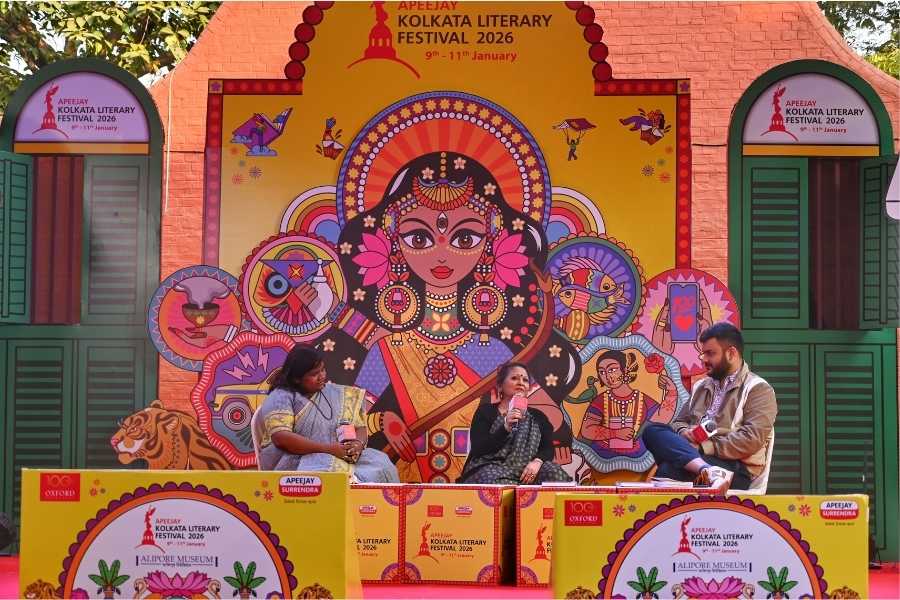
At the AKLF 2026 event, experts talked about Bengali food.
They discussed how salt is important in Bengali cooking, allowing people to adjust the taste.
They also talked about mishti, which are sweets, and how they are more than just dessert—they are part of social life.
The experts worried about ingredients like nolen gur and the lack of skilled sweet-makers, or 'karigors'.
They said that industrialization and hard working conditions are making it difficult to keep these traditions alive.
The discussion showed that Bengali cuisine is a mix of taste, hard work, and memories, and it's important to preserve it.

Bengali cuisine is characterized by the balance of salt, allowing diners to adjust flavors.
Mishti (sweets) serve as social hubs and can be a full meal, shared within communities.
Nolen gur and other traditional ingredients are under threat from industrialization.
The shortage of skilled sweet-makers ('karigors') is due to hard working conditions and lack of recognition.
Preserving Bengali cuisine requires addressing labor issues and maintaining traditional practices.
- Who
- Chitrita Banerji, Ishita Dey, Auroni Mookerjee
- What
- Discussion on Bengali cuisine at AKLF 2026
- When
- 2026
- Where
- AKLF 2026
- Why
- To explore the unique aspects of Bengali cuisine and the challenges it faces
- Event
- AKLF 2026
- Speakers
- Chitrita Banerji, Ishita Dey, Auroni Mookerjee
- Key Ingredients Discussed
- Salt, mishti, nolen gur, doi
- Cultural Aspects Highlighted
- Sweet shops as social hubs, labour challenges in sweet-making
- Threats to Tradition
- Industrialization, lack of skilled karigors