

Archive · 18 Aug 2025
Ghost Particle Found: Deep-Sea Neutrino Discovery Shocks Scientists
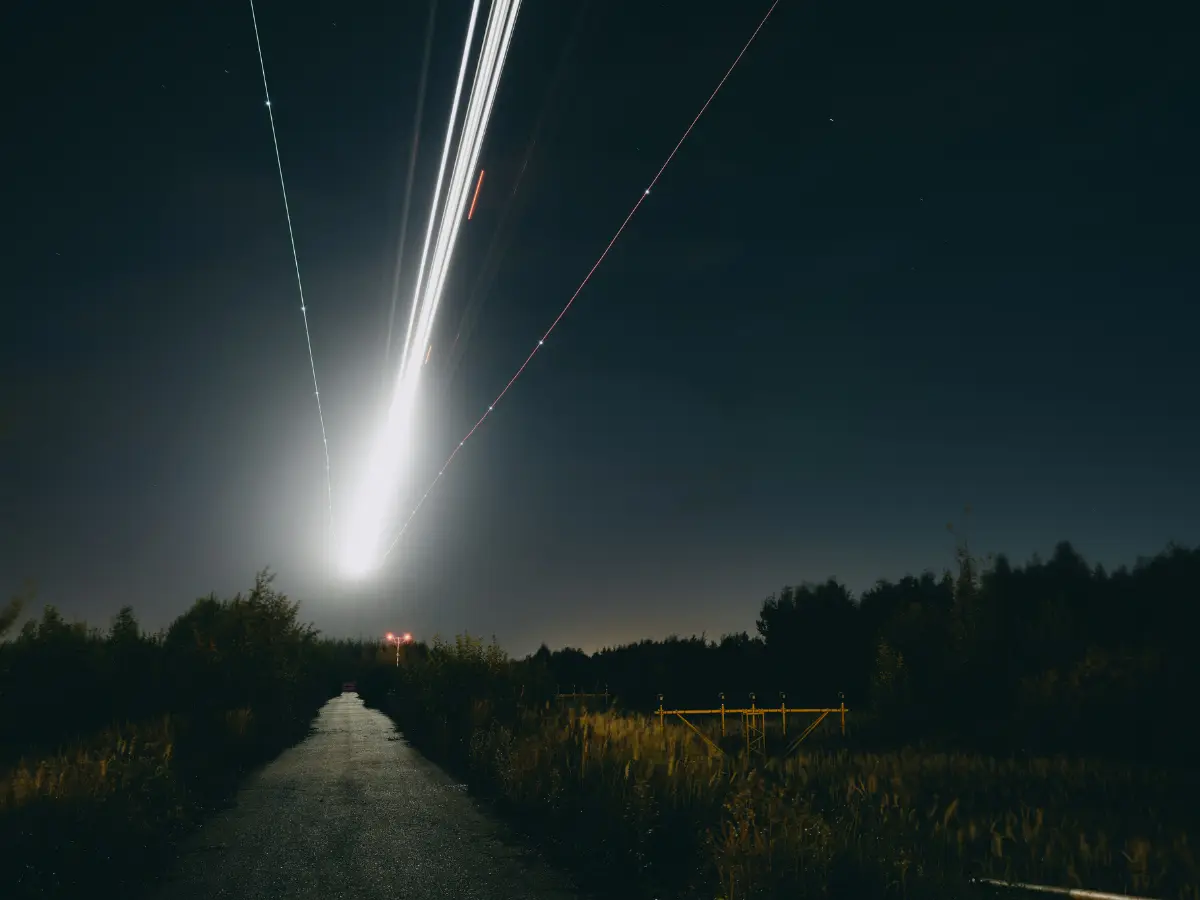
Imagine tiny, nearly invisible particles called neutrinos flying through space and even through us!
Scientists have a special detector deep under the sea, called KM3NeT, which surprisingly caught one of these 'ghost particles.'
This neutrino had a lot of energy, like a super-fast bullet.
When it bumped into something, it created a tiny flash of light that the detector saw.
Because neutrinos rarely interact with anything, catching one is like finding a needle in a haystack.
This finding could mean there are new and unknown things in space shooting out these high-energy neutrinos, which could help scientists understand more about how the universe works.

Scientists detected a high-energy neutrino signal in the Mediterranean Sea using the KM3NeT detector.
The neutrino, with 220 PeV energy, is a 'ghost particle' that rarely interacts with matter.
KM3NeT, located 11,320 feet under the ocean, detected a faint signal from the neutrino's interaction.
This is the first such neutrino detected by the KM3NeT, with an estimated 1 in 100 chance of detection.
The discovery may indicate new sources or processes for producing ultra-high-energy neutrinos in the universe.
- Who
- Scientists using the KM3NeT detector.
- What
- Scientists detected a high-energy neutrino.
- When
- In February 2023.
- Where
- Deep under the Mediterranean Sea.
- Why
- To understand the origins and properties of neutrinos and their sources in the universe.
Scientific community
Scientists
Model accuracy
Scientific community
The detection of such a high-energy neutrino challenges existing models.
Scientists
Scientists are confident in the accuracy of their observations
- Detector
- KM3NeT
- Depth
- 11,320 feet
- Neutrino Energy
- 220 PeV
- Particle Type
- Neutrino
- Detection Probability
- Approximately 1 in 100
- Location
- Mediterranean Sea