

Archive · 29 Jul 2025
Tomb Fungus Compound Shows Promise for Cancer Treatment
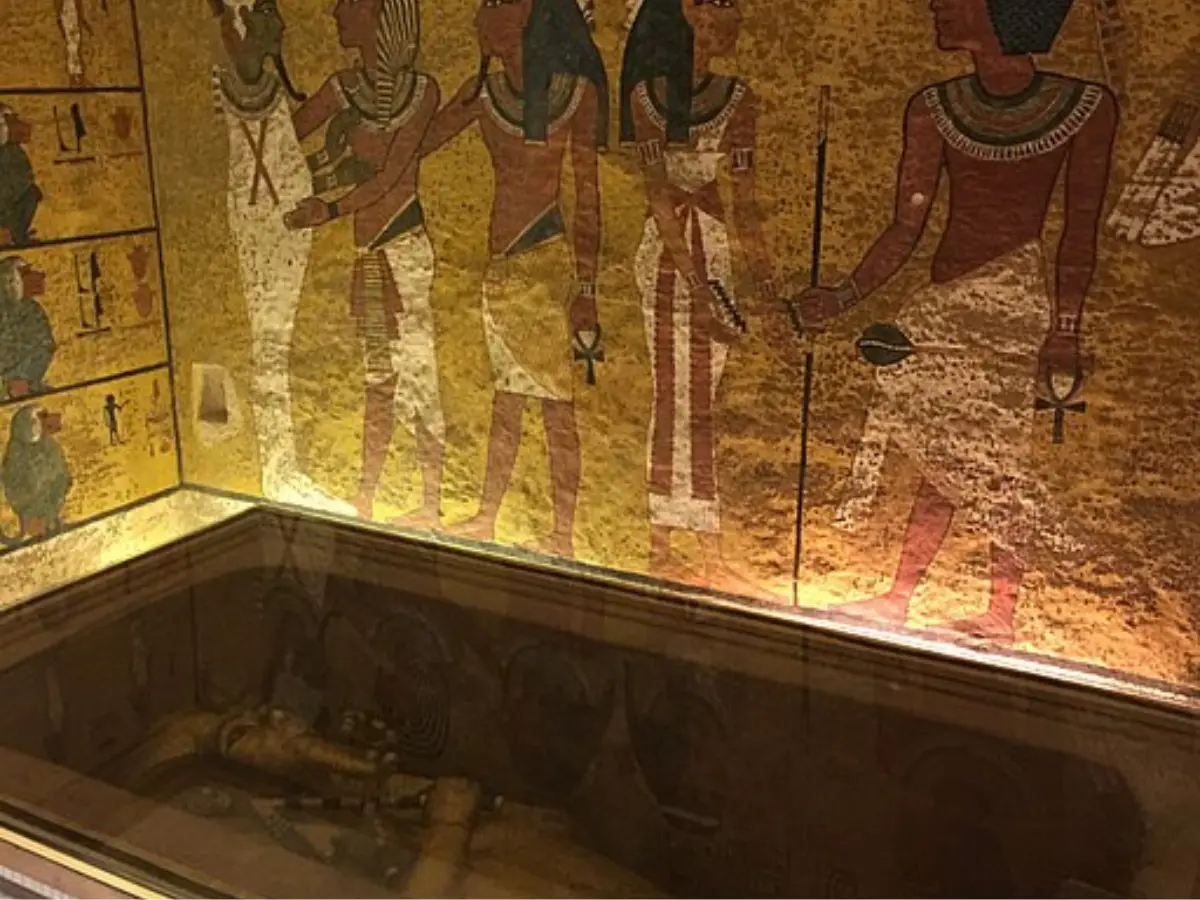
Some tombs, like King Tut's, had a dangerous fungus called Aspergillus flavus that caused deaths.
Scientists have found that this fungus makes special compounds that can kill cancer cells, specifically leukaemia cells.
These compounds, called RiPPs, stop cancer cells from growing by messing up how they divide.
One type of RiPP works as well as existing drugs used to treat leukaemia.
This discovery might lead to new ways to fight cancer.

King Tutankhamun's tomb and other historical sites have been linked to deadly fungal spores.
The fungus Aspergillus flavus, found in these tombs, was likely responsible for the deaths.
Scientists have discovered that compounds from A. flavus can destroy leukaemia cells.
These compounds, RiPPs, disrupt cell division and may lead to new cancer treatments.
One variant of the RiPP compound showed similar effectiveness to current leukemia drugs.
- Who
- Researchers have identified compounds that can destroy leukaemia cells.
- What
- Discovery of compounds from Aspergillus flavus that can kill leukaemia cells.
- When
- The study was recently published in Nature Chemical Biology.
- Where
- King Tutankhamun's tomb and other historical sites.
- Why
- To develop new cancer treatments.
Scientists
N/A
Advancements in cancer research
Scientists
The compounds have the potential for new cancer treatments.
N/A
N/A
- Fungus Name
- Aspergillus flavus
- RiPPs
- Ribosomally synthesised and post-translationally modified peptides
- Target Cancer
- Leukaemia
- Drug Comparison
- RiPPs showed similar effectiveness to cytarabine and daunorubicin
- Location of study
- Published in Nature Chemical Biology
- Tomb association
- King Tutankhamun's and other tombs