Archive · 12 Aug 2025
Kharif Sowing Up 4% as Season Nears Completion
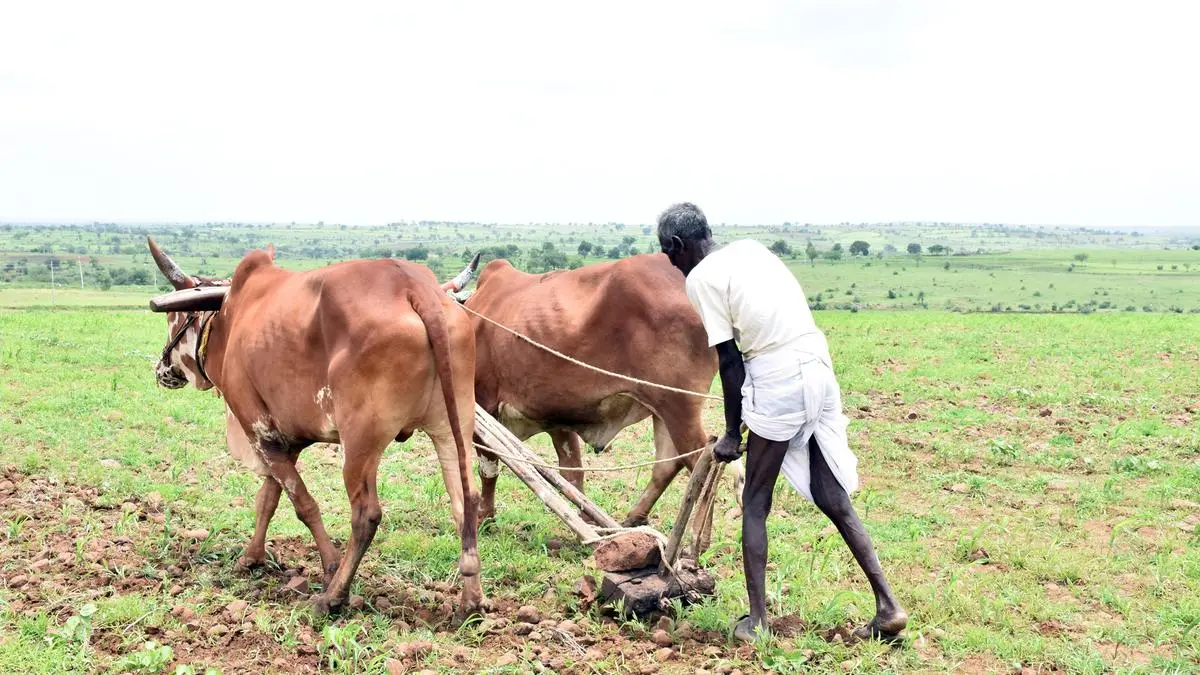
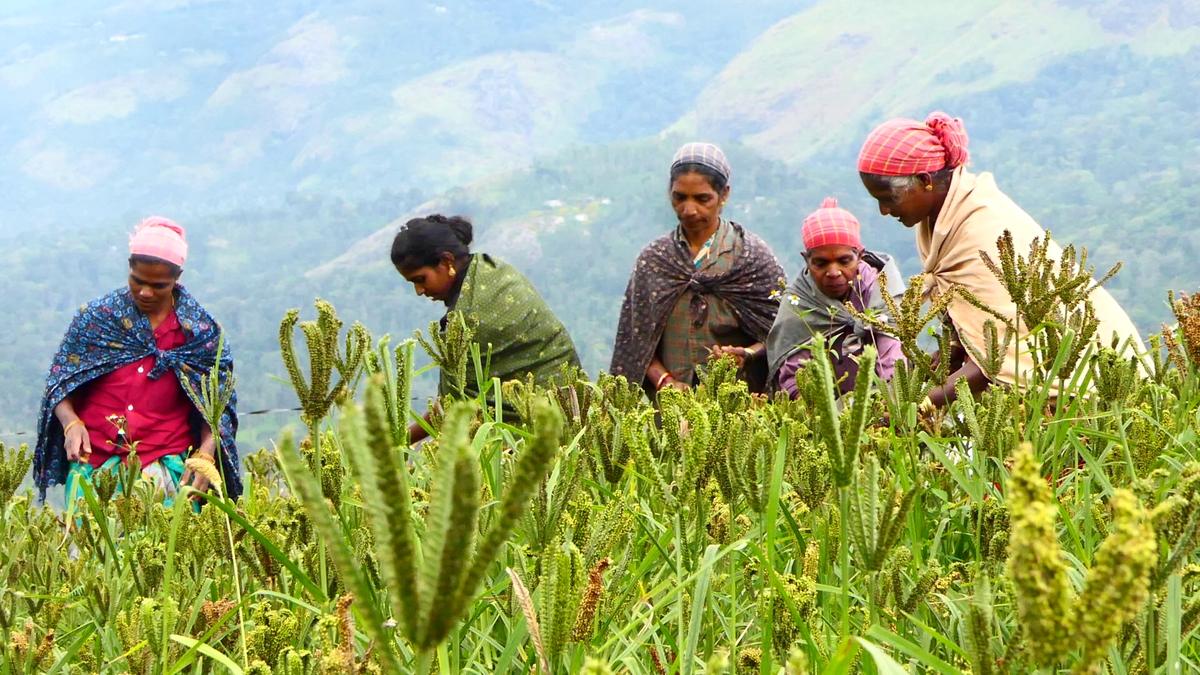
Farmers in India are planting more crops during the kharif season, which relies on monsoon rains.
The overall area used for planting is up 4% compared to last year, with more land used for rice and pulses.
However, some crops like cotton and oilseeds have seen a decrease in planting areas.
Kharif crops depend heavily on the monsoon rains, and they are typically planted between June and July and harvested in the autumn.

Overall kharif sowing is up 4% year-on-year.
Sowing has been completed in over 99.5 million hectares, 91% of the normal sown area.
Paddy, pulses, coarse cereals, and sugarcane sowing areas are higher than last year.
Cotton and oilseeds sowing areas, including soybean and sunflower, have declined.
Farmers will continue planting crops until the first week of September.
- Who
- Farmers in India, and the Agriculture sector.
- What
- Changes in crop sowing during the kharif season in India.
- When
- The ongoing kharif season, with planting continuing until early September.
- Where
- India, with regional variations in crop cultivation.
- Why
- Due to favorable conditions and the onset of the southwest monsoon.
Crop Challenges
Positive Outlook
Monsoon Impact
Crop Challenges
Challenges like unpredictable monsoons and pest attacks impact farmer's incomes.
Positive Outlook
Timely and sufficient rainfall is critical for kharif crops.
- Overall Kharif Sowing Increase
- 4% year-on-year
- Total Sowing Area Completed
- 99.5 million hectares
- Percentage of Normal Sown Area
- 91%
- Paddy Sowing
- Higher year-on-year
- Oilseed Decrease (Soybean & Sunflower)
- 3.8% and 10.2% respectively