Archive · 9 Jan 2026
2,000-Year-Old Coins Found in Pakistan
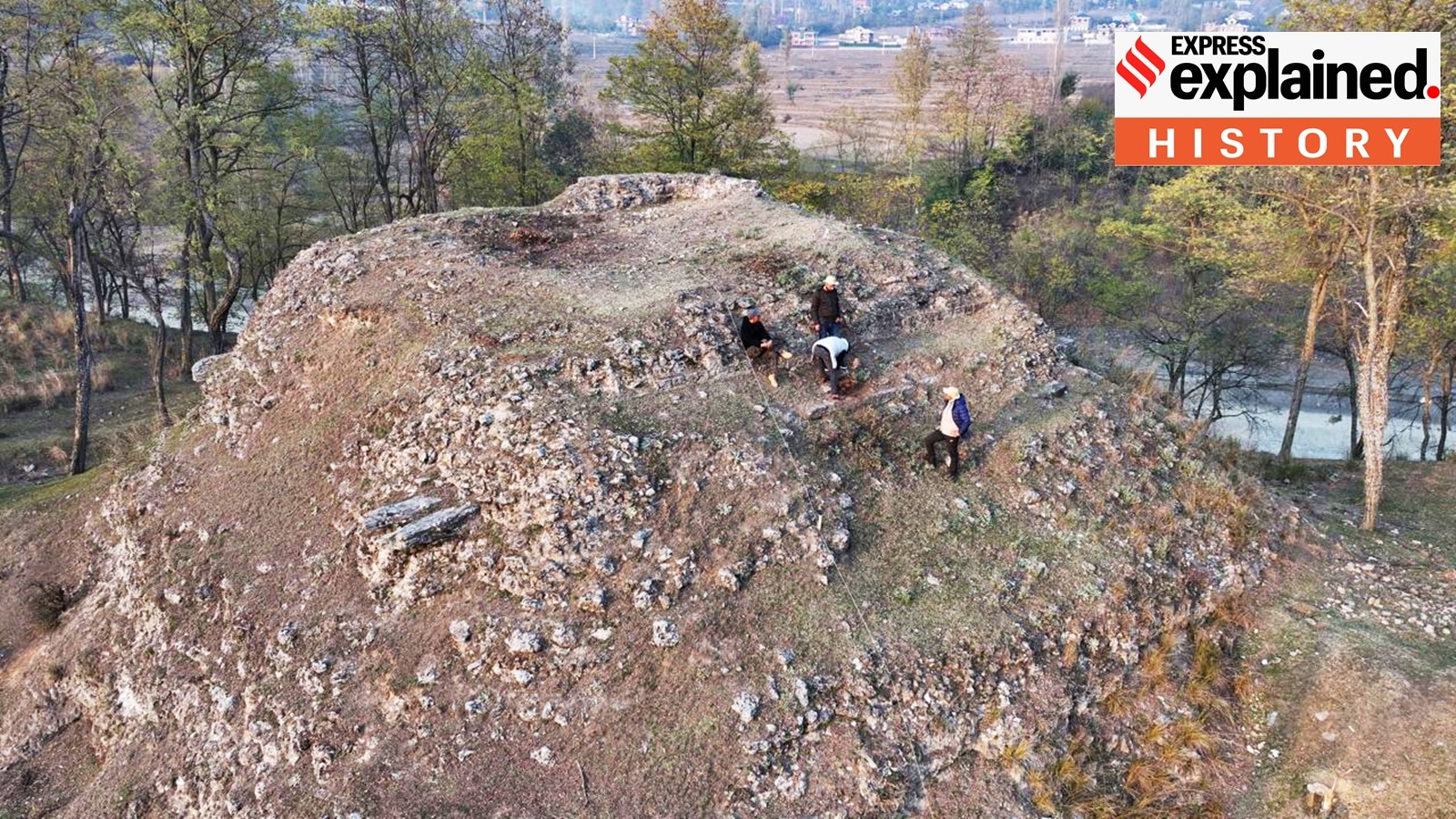
Archaeologists in Pakistan found very old coins and special blue stones.
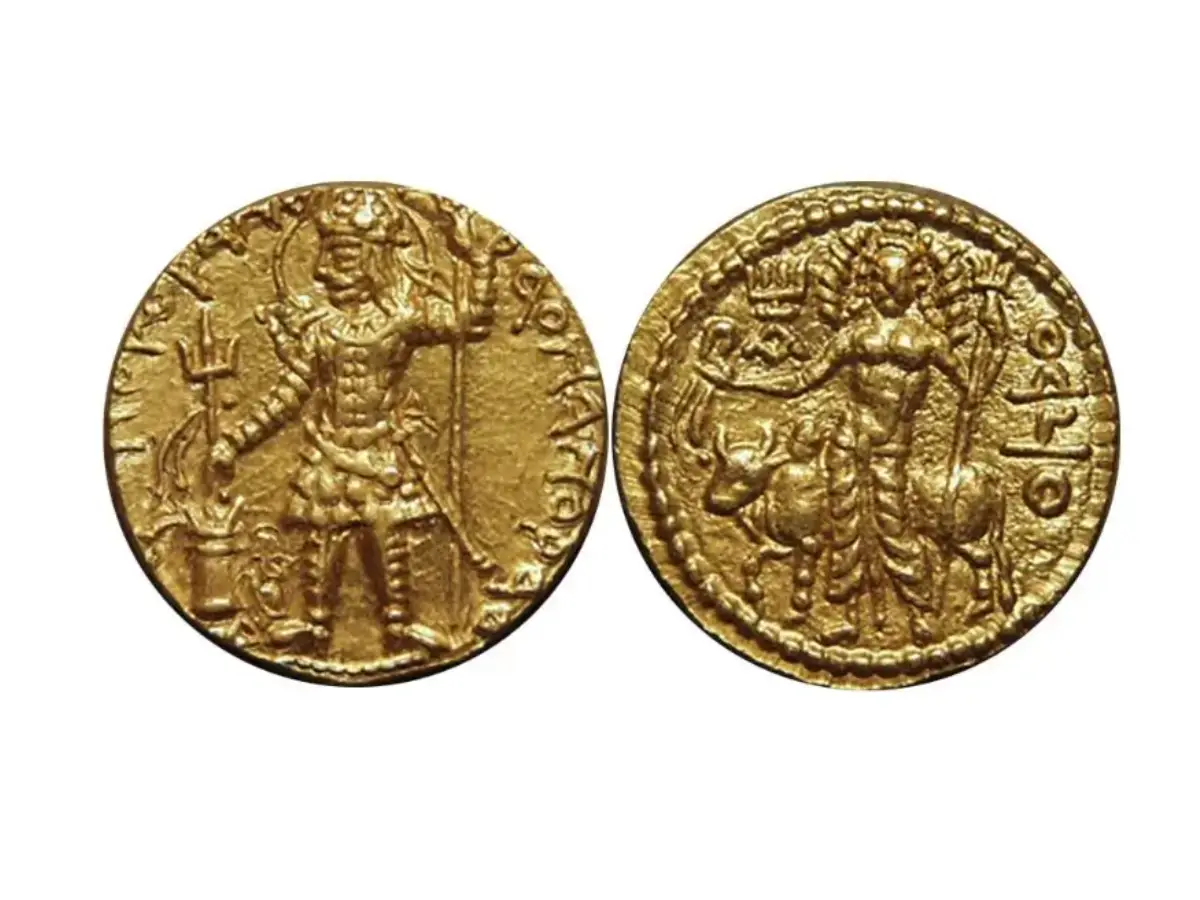
The coins are from the time of King Vasudeva, who was a great ruler about 2,000 years ago.
The stones are even older, from about 2,600 years ago.
The coins have pictures of the king and a goddess, showing that people back then believed in many different religions.
This discovery helps us understand how people traded and what they believed in a long time ago.

2,000-year-old coins from the Kushan dynasty found in Pakistan's Rawalpindi.
Coins feature King Vasudeva and a female religious deity, indicating religious diversity.
Lapis lazuli fragments from the 6th century BC also discovered at the site.
Findings suggest the region was a significant trade hub during the Common Era.
Kushan rulers patronized multiple faiths, as evidenced by the coin imagery.
- Who
- Archaeologists in Pakistan
- What
- Discovered 2,000-year-old coins and lapis lazuli fragments
- When
- 2nd century AD (coins), 6th century BC (lapis lazuli)
- Where
- Bhir Mound, Taxila, Pakistan
- Why
- To study historical trade and religious beliefs
- Location
- Bhir Mound, Taxila, Pakistan
- Time Period
- 2nd century AD (coins), 6th century BC (lapis lazuli)
- Ruler
- King Vasudeva
- Materials Found
- Bronze coins, lapis lazuli fragments
- Significance
- Evidence of trade and religious diversity