Archive · 2 Oct 2026
Delhi Tightens No-PUC, No-Fuel Rule Amid Enforcement Gaps
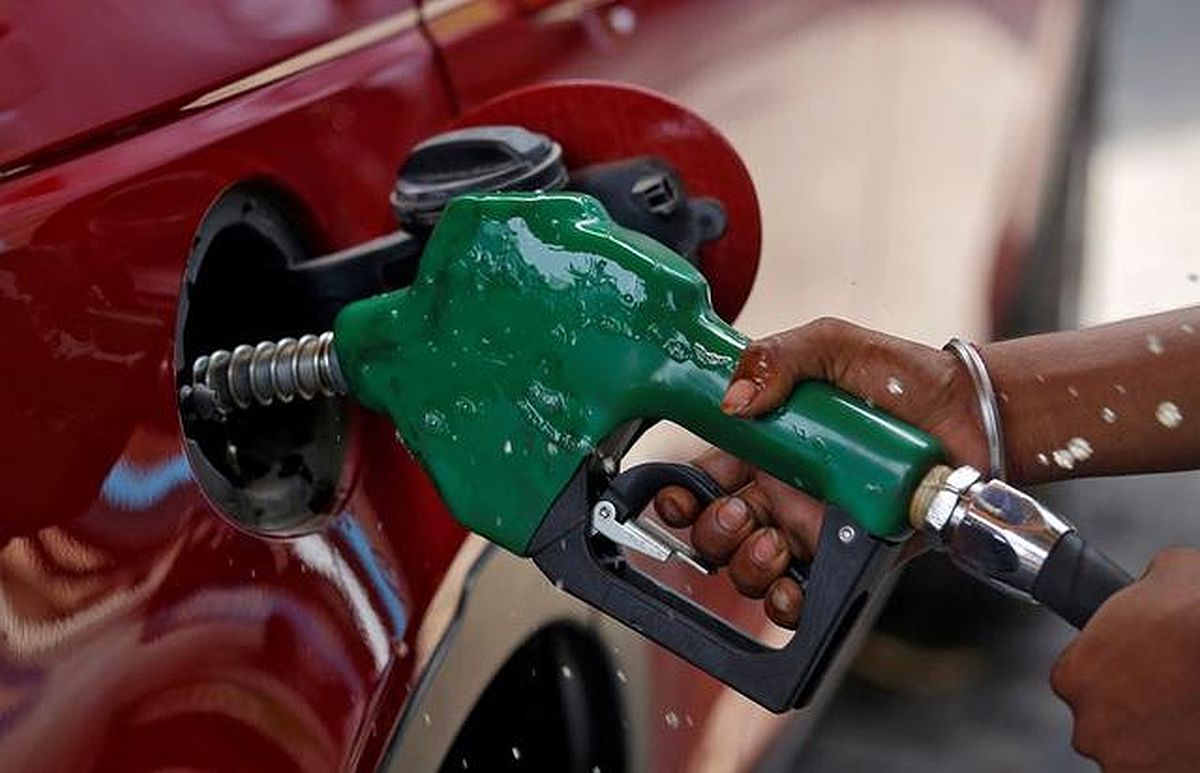
Delhi has started checking pollution certificates before giving vehicles fuel.
A valid certificate shows that a vehicle’s pollution has been tested.
Cameras read a vehicle’s number plate when it enters a fuel station.
The system checks the plate against government records.
If the certificate is missing or expired, the pump can stop the fuel sale.
The cameras and announcements worked at two stations visited by reporters.
However, government enforcement officers were not there to help staff handle disagreements.
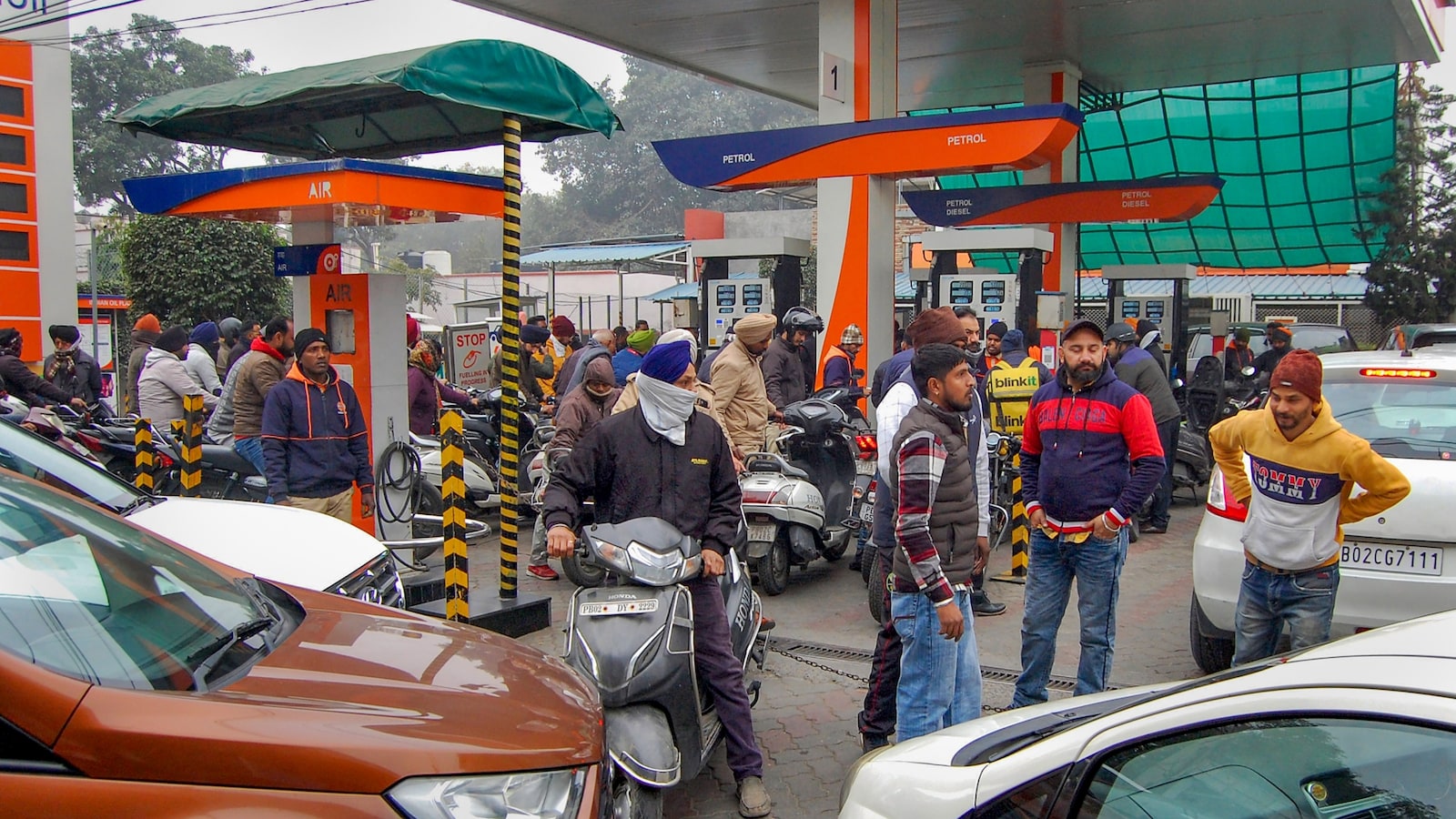
Some people also reported queues, camera-reading problems, and delays in updating newly issued certificates.

Delhi began stricter enforcement of its “No PUC, No Fuel” rule on October 1.
ANPR cameras and automated announcements were functioning at two fuel stations visited by NDTV.
No Transport Department enforcement teams were present at either the Janpath or Mayur Vihar station.
Vehicles without valid PUC certificates can be denied petrol, diesel, CNG, or LPG.
Dealers and residents supported the pollution measure but reported communication, staffing, queues, and system-update problems.
- Who
- The Delhi government, Transport Department, fuel dealers, motorists, and residents are involved.
- What
- Delhi is enforcing a rule that can deny fuel to vehicles without a valid Pollution Under Control Certificate.
- When
- The stricter drive began on Thursday, October 1; the Commission for Air Quality Management issued related directions on May 15, 2026.
- Where
- The rule covers about 500 ANPR-equipped fuel stations across Delhi; NDTV visited stations in Janpath and Mayur Vihar Phase 1.
- Why
- The measure is intended to reduce vehicular emissions and address seasonal winter smog.
Government and Supporters
Dealers and Residents Raising Concerns
Need for the rule
Government and Supporters
The Delhi government and supportive residents described linking fuel access to a valid PUC certificate as necessary to reduce pollution and vehicular emissions.
Dealers and Residents Raising Concerns
Critics did not reject the measure but said implementation problems could make it difficult for motorists and pump staff.
Who should enforce it
Government and Supporters
The government said its Transport Department would take action and that vehicles without valid certificates would not receive fuel.
Dealers and Residents Raising Concerns
Petrol dealers said government officials should be present at pumps to handle refusals and prevent arguments between motorists and staff.
First-day implementation
Government and Supporters
Officials and the automated systems indicated that the rule was operating across the city, with cameras and announcements active at the stations visited.
Dealers and Residents Raising Concerns
Dealers and residents reported limited visible checking, absent enforcement teams, inadequate communication, queues, plate-reading difficulties, and delays in central database updates.
- Rule
- Vehicles without a valid PUC or PUCC may be denied petrol, diesel, CNG, and LPG.
- Coverage
- About 500 fuel stations across Delhi.
- Technology
- Automatic Number Plate Recognition cameras cross-check vehicle registrations with national vehicle database records.
- Observed stations
- NDTV visited fuel pumps in Janpath and Mayur Vihar Phase 1.
- Enforcement gap
- No Transport Department enforcement team was present at either station during NDTV’s visits.
- Reported problems
- Residents reported queues, some cameras failing to read plates, and delays in updating newly issued certificates.
- Government position
- Officials said the rule would be enforced more strictly and that vehicles without valid certificates would not receive fuel.