Archive · 13 Sep 2026
Iran and Oman Agree on New Hormuz Navigation Routes
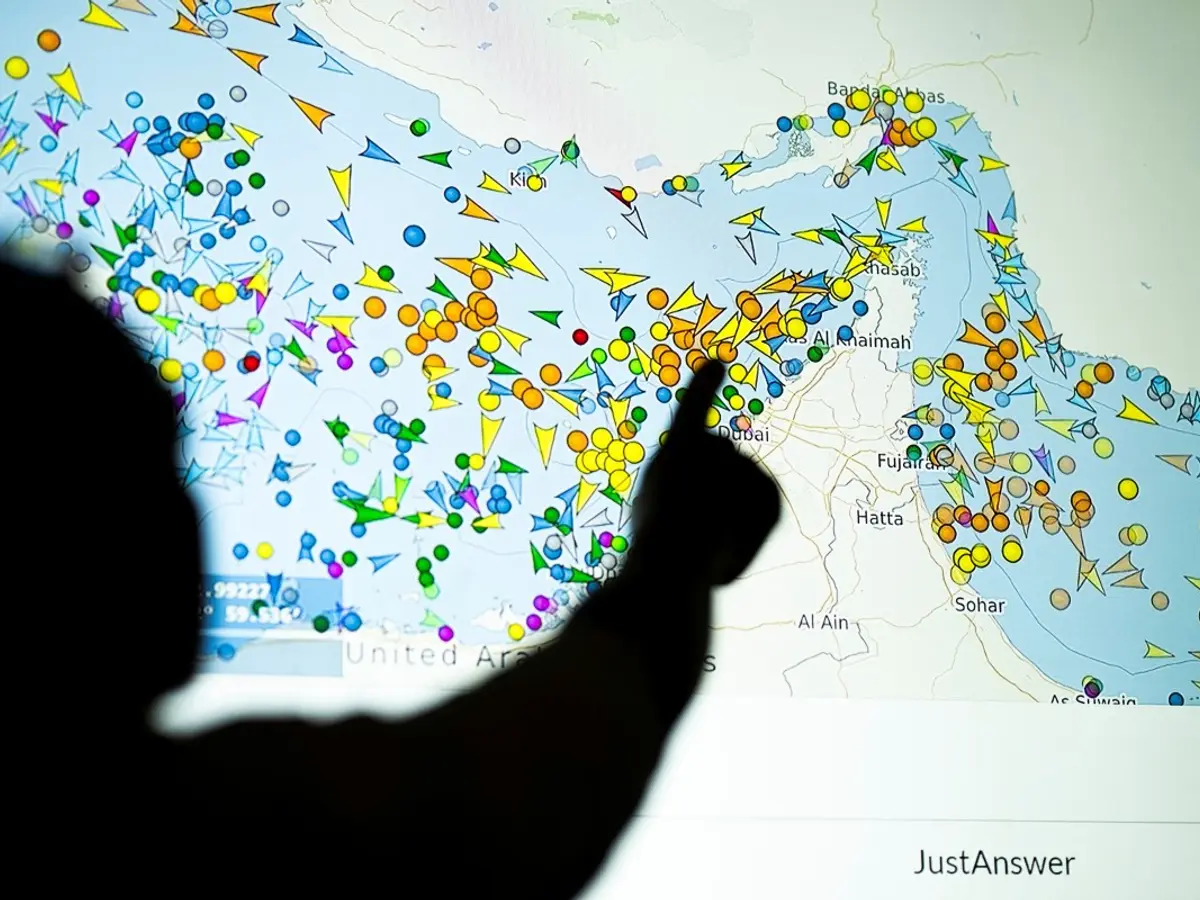
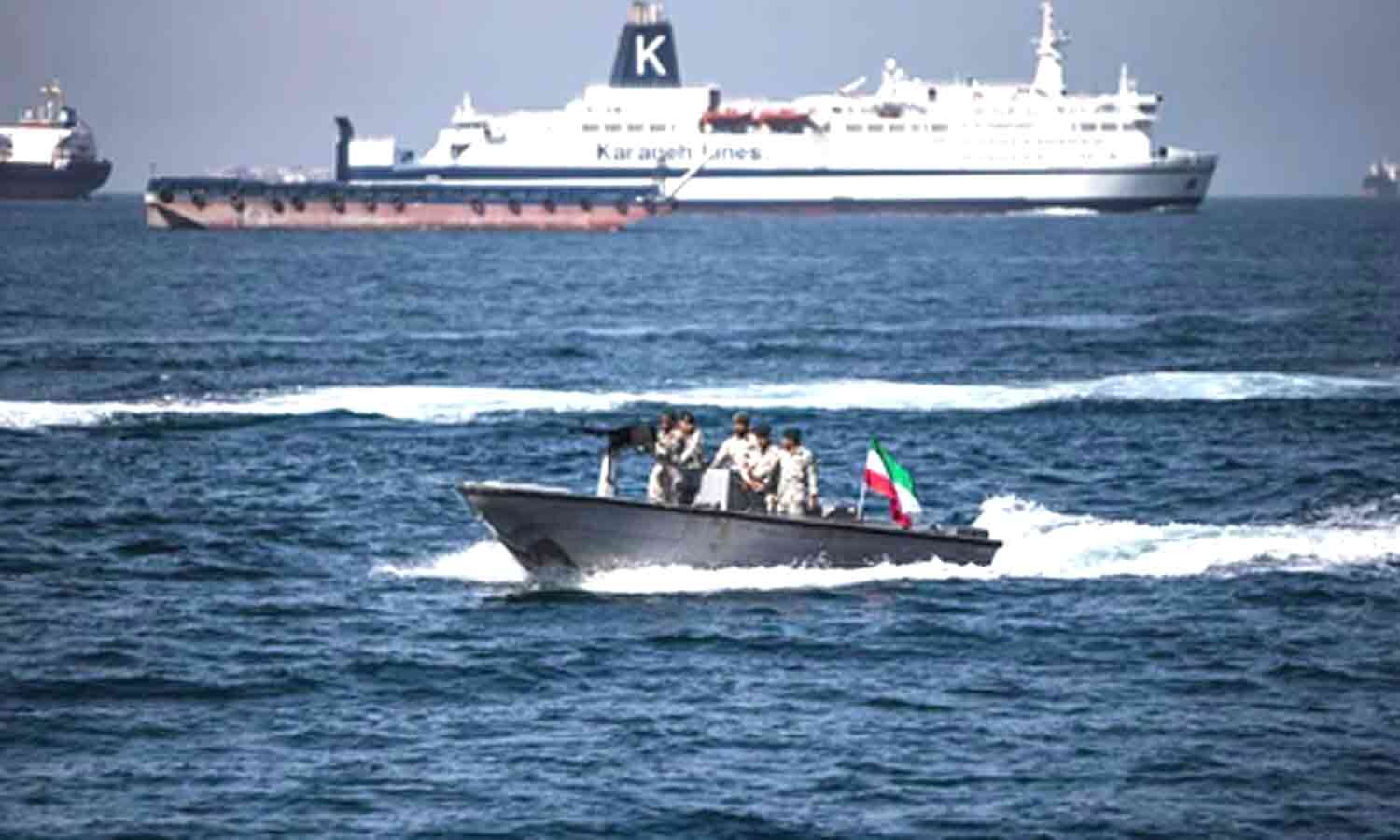
Iran and Oman have agreed on plans for ships to enter and leave the Strait of Hormuz.
The entry route would be entirely in Iranian waters.
Part of the exit route would also be in Iranian waters.
Iran says it would organize how the routes operate.
Iran also says the southern route would close when the new system starts.
The agreement does not mean the strait is open again.
Iran says seven conditions must be met before it reopens.
Officials from Gulf countries, Iran and Iraq are expected to discuss the plan in Oman on Monday.
The talks are happening while commercial ships have reportedly been attacked near the strait.

Iran and Oman agreed on new entry and exit routes for the Strait of Hormuz after technical and diplomatic talks.
The proposed entry route would lie entirely in Iranian territorial waters, while part of the exit route would also pass through them.
Iranian officials said the routes would operate under Iranian arrangements and that the southern route would close when the system begins.
Iran said the agreement does not reopen the strait and that seven conditions must be met before passage resumes.
Gulf states, Iran and Iraq are expected to discuss the plan in Muscat on Monday amid reports of attacks on commercial vessels.
- Who
- Iran and Oman agreed on the navigation arrangements; Gulf states, Iran and Iraq are expected to discuss them.
- What
- The countries agreed on details for new entry and exit routes and a proposed safe-passage system in the Strait of Hormuz.
- When
- The agreement was reportedly finalized in late August, with a regional meeting scheduled for Monday.
- Where
- The routes concern the Strait of Hormuz, between Iran and Oman; the meeting is planned for Muscat, Oman.
- Why
- The consultations concern safe passage, maritime navigation and security in the strategic waterway.
Iran's Position
United States' Reported Position
Southern route
Iran's Position
Iranian officials said the southern route would close once the new system becomes operational.
United States' Reported Position
Iranian sources said the United States had insisted that the southern route be opened.
Reopening the strait
Iran's Position
Iran says the strait will remain closed until its seven conditions are implemented and that reopening depends on United States behavior.
United States' Reported Position
The articles do not provide a detailed United States response to Iran's conditions; they report that US forces imposed a naval blockade targeting vessels traveling to or from Iranian ports.
Vessel attacks
Iran's Position
An Iranian governor attributed one reported vessel strike to the “American-Zionist enemy,” while Iranian and US militaries did not claim responsibility for the reported attacks.
United States' Reported Position
The articles do not state that the United States claimed responsibility for either reported attack.
- Entry route
- The proposed route from the Gulf would lie entirely within Iran's territorial waters.
- Exit route
- A portion of the proposed exit route would pass through Iranian territorial waters.
- Route management
- Iranian officials said the system would operate under Iranian arrangements.
- Southern route
- Iran said the southern route would close once the new system becomes operational.
- Reopening status
- Iran said the understanding does not reopen the Strait of Hormuz.
- Reopening conditions
- Iran said it has seven conditions for reopening the waterway; one official also referred to the United States returning to commitments under the Islamabad memorandum of understanding.
- Regional meeting
- Foreign ministers from Gulf states, Iran and Iraq are expected to discuss the consultations in Muscat on Monday.
- Reported vessel incidents
- Iranian state media reported that one person was killed and four injured after an Iranian commercial vessel was struck; a separate commercial-ship attack was also reported by the United Kingdom Maritime Trade Operations.