Archive · 2 Oct 2026
Flydubai Cockpit Attack Exposes Gaps in International Aviation Security
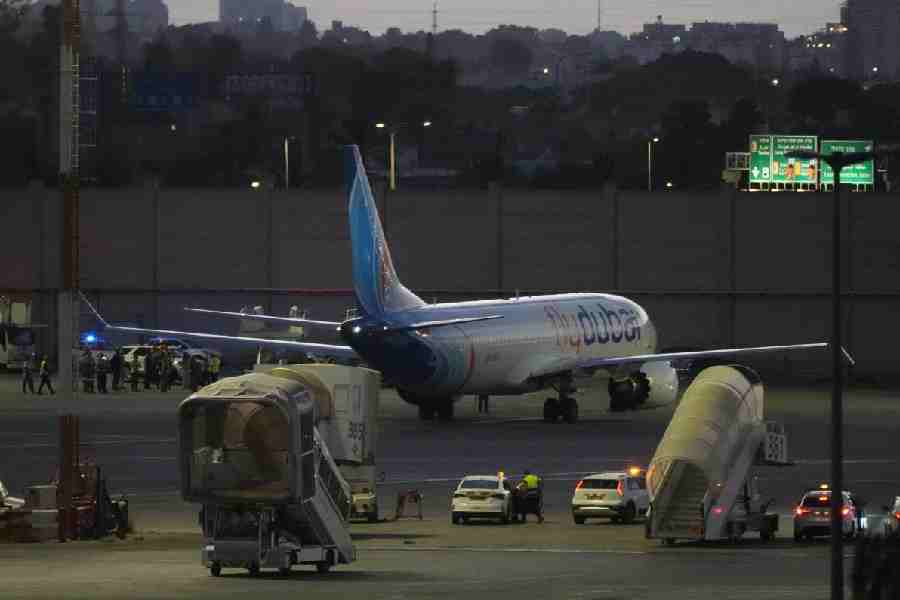
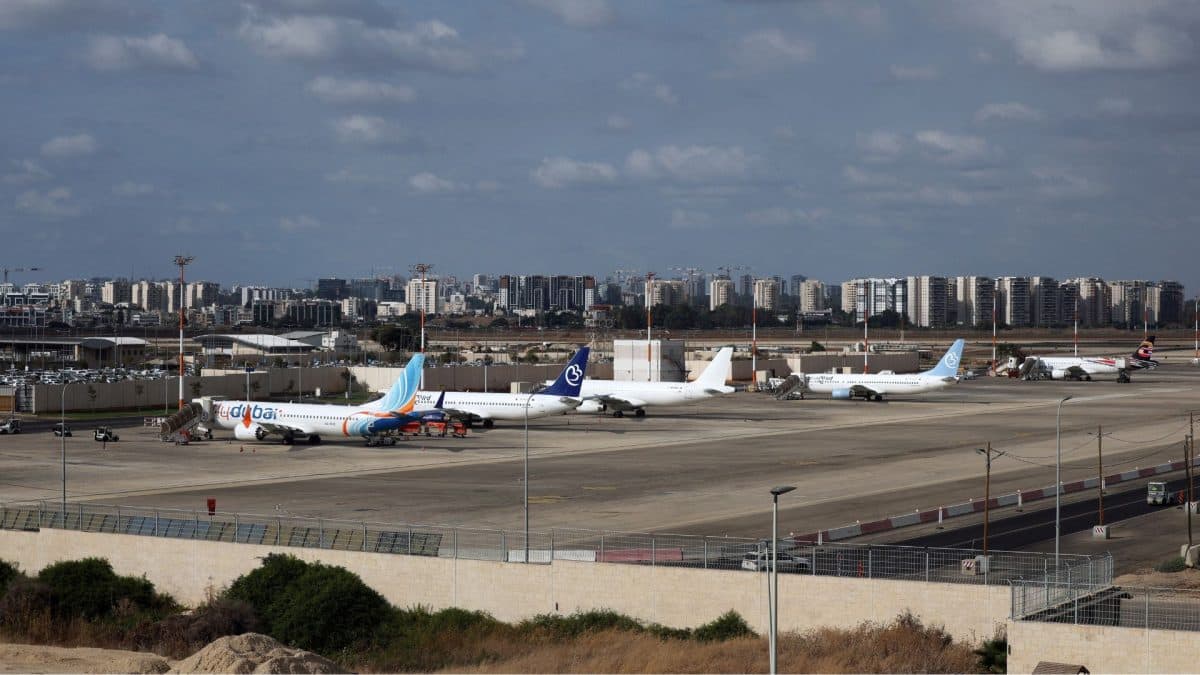
A Flydubai airplane was flying from Dubai to Tel Aviv when something frightening happened in the cockpit.
Reports say the co-pilot allegedly attacked and stabbed the captain.
The plane sent signals that can indicate an emergency or hijacking.
Passengers and other crew members helped stop the attacker and stabilize the airplane.
The plane landed safely in Saudi Arabia instead of continuing to Israel.
Officials from several countries are investigating what happened and why.
They will check whether anyone noticed warning signs about the co-pilot before the flight.
They will also examine how nearby countries responded to the airplane’s emergency calls.
The event may lead airlines to check crew members more carefully and improve cockpit safeguards.

Flydubai Flight FZ1073 reportedly sent hijacking and emergency signals after an alleged cockpit attack during a Dubai-to-Tel Aviv flight.
The Omani co-pilot allegedly stabbed Indian captain Smit Machchhar before passengers and crew intervened.
The aircraft, carrying either 174 or approximately 180 people according to different reports, diverted safely to Saudi Arabia.
Investigators from Saudi Arabia, the United Arab Emirates, and Israel are examining the attack, with assistance from the United States and Oman.
The incident has prompted scrutiny of crew vetting, cockpit access, distress-call handling, and security arrangements for foreign airlines flying to Israel.
- Who
- Flydubai’s captain and co-pilot, passengers and crew members, and authorities from Saudi Arabia, the United Arab Emirates, Israel, the United States, and Oman.
- What
- An alleged cockpit attack and attempted hijacking occurred aboard Flydubai Flight FZ1073.
- When
- Wednesday, September 30; the year is not specified in the articles.
- Where
- The flight departed Dubai International Airport for Tel Aviv and encountered the crisis over or near Saudi and Jordanian airspace before landing in Tabuk, Saudi Arabia.
- Why
- The incident exposed possible weaknesses in crew screening, cockpit protection, and international responses to hijacking alerts, prompting official reviews.
Stronger International Safeguards
Protocol Compliance and Operational Concerns
Crew vetting
Stronger International Safeguards
Officials and security experts argue that crew members may require heavier and more uniform screening because threats can originate inside the cockpit, not only among passengers.
Protocol Compliance and Operational Concerns
Other experts caution that the incident may reflect a failure to follow existing procedures rather than a fundamental flaw in aviation security rules.
Cockpit protection
Stronger International Safeguards
The attack has prompted calls to reconsider cockpit safeguards, including how to respond when a threat comes from an authorized flight-deck crew member.
Protocol Compliance and Operational Concerns
Security specialists note that reinforced, locked cockpit doors were designed to keep passengers and outside attackers away, but can also make it difficult to reach a rogue crew member.
Emergency landing response
Stronger International Safeguards
Aviation experts say aircraft facing hijacking or unlawful interference should receive maximum assistance and priority, with the nearest suitable airport generally used.
Protocol Compliance and Operational Concerns
Some experts note that countries control their own airspace and airports, and may prioritize national-security concerns; reports said Saudi Arabia and Jordan initially refused landing clearance before Saudi authorities accepted the aircraft.
- Flight
- Flydubai FZ1073
- Route
- Dubai International Airport to Ben-Gurion Airport near Tel Aviv
- Aircraft
- Boeing 737 MAX 8
- People aboard
- One report says 174 people; another says approximately 180 passengers
- Alleged attacker
- An Omani co-pilot
- Captain
- Indian national Smit Machchhar
- Diversion
- The aircraft landed safely in Tabuk, Saudi Arabia; reports differ on the airport’s formal name
- Investigation
- Saudi, Emirati, and Israeli authorities are investigating, with the United States and Oman assisting