

Archive · 31 Dec 2025
Delhi's Winter Pollution Linked to Superbugs
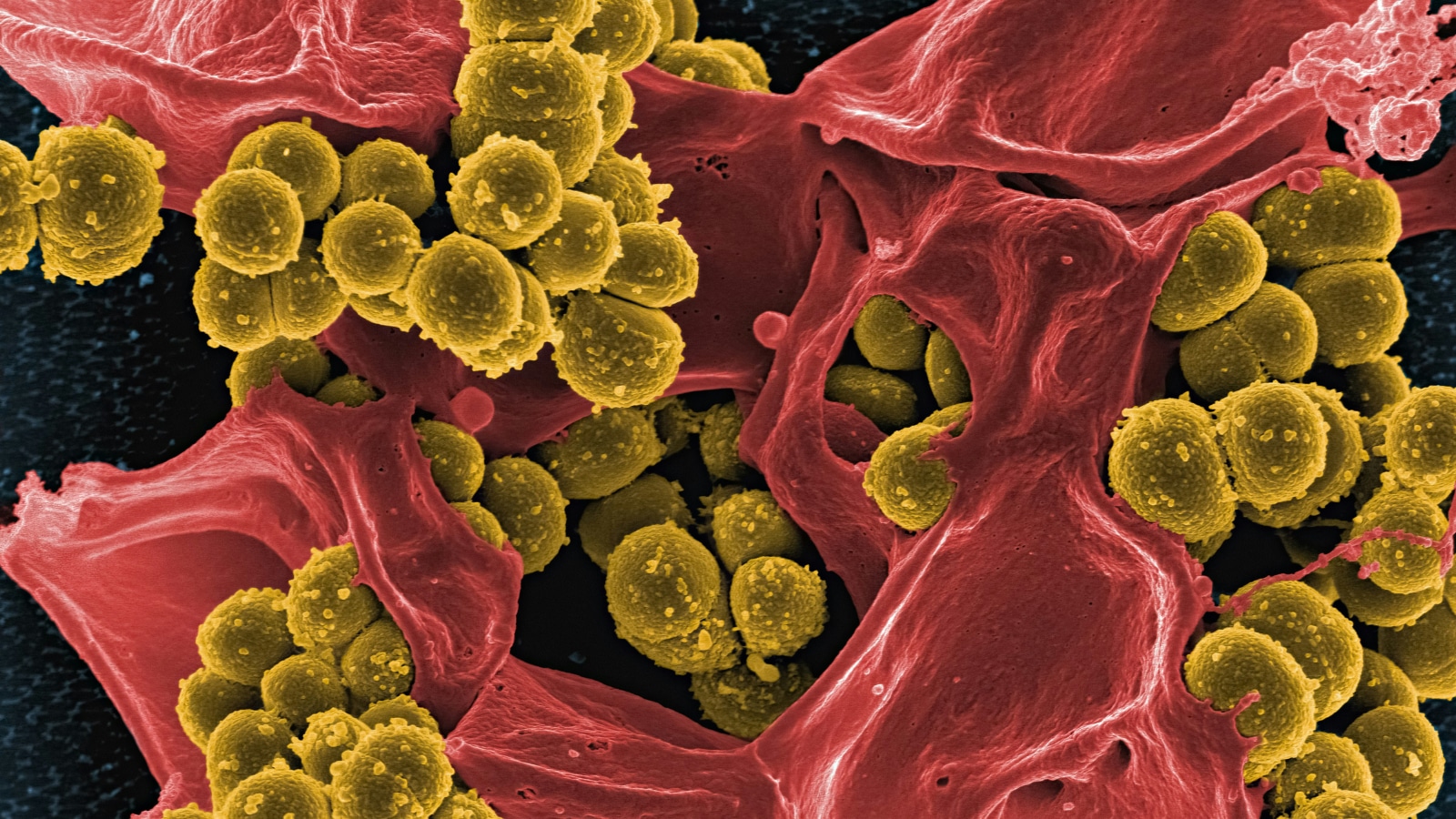
Scientists from Jawaharlal Nehru University studied the air in Delhi and found a lot of bacteria called staphylococci, especially in winter.
These bacteria can cause infections and are becoming resistant to antibiotics, making them harder to treat.
The study found that 73% of the bacteria were resistant to one drug, and 36% were resistant to multiple drugs.
The highest levels of these bacteria were found in crowded places like markets and slums.
The researchers warn that these bacteria can make people sick, especially those who are older, have weak immune systems, or are children.
They also say that we need to be careful about how we use and dispose of antibiotics to prevent these bacteria from becoming even more resistant.

Researchers from JNU found high levels of antibiotic-resistant staphylococci bacteria in Delhi's air, with peaks in winter months.
73% of the bacteria were single drug-resistant, and 36% were multi-drug resistant.
The highest bacterial loads were found in crowded areas like the Munirka market complex and slum clusters near Vasant Vihar.
The study identified eight staphylococcal species, with Staphylococcus epidermidis and Staphylococcus arlettae being the most prevalent.
The researchers advise comprehensive monitoring and proper disposal of antibiotics to combat antimicrobial resistance.
- Who
- Researchers from the School of Environmental Sciences, Jawaharlal Nehru University
- What
- High levels of antibiotic-resistant staphylococci bacteria found in Delhi's air
- When
- The study was conducted during winter months
- Where
- Air samples collected from Vasant Vihar Urban Slum, Munirka market complex, Munirka Apartment, and the Sewage Treatment Plant at Jawaharlal Nehru University
- Why
- To understand the prevalence of antibiotic-resistant bacteria in Delhi's air and its potential health impacts
- Study Conducted By
- School of Environmental Sciences, Jawaharlal Nehru University
- Bacteria Identified
- Staphylococcus epidermidis and Staphylococcus arlettae
- Resistance Levels
- 73% single drug-resistant, 36% multi-drug resistant
- Highest Bacterial Load
- Munirka market complex and slum clusters near Vasant Vihar
- WHO Recommended Limit
- 1000 CFU/m3 for microbial exposure
- Study Findings Published In
- Nature
- Most Vulnerable Groups
- Elderly, immunocompromised individuals, cancer survivors, and children
