

Archive · 27 Jul 2026
US Forced Labour Tariffs Face Legal Challenges
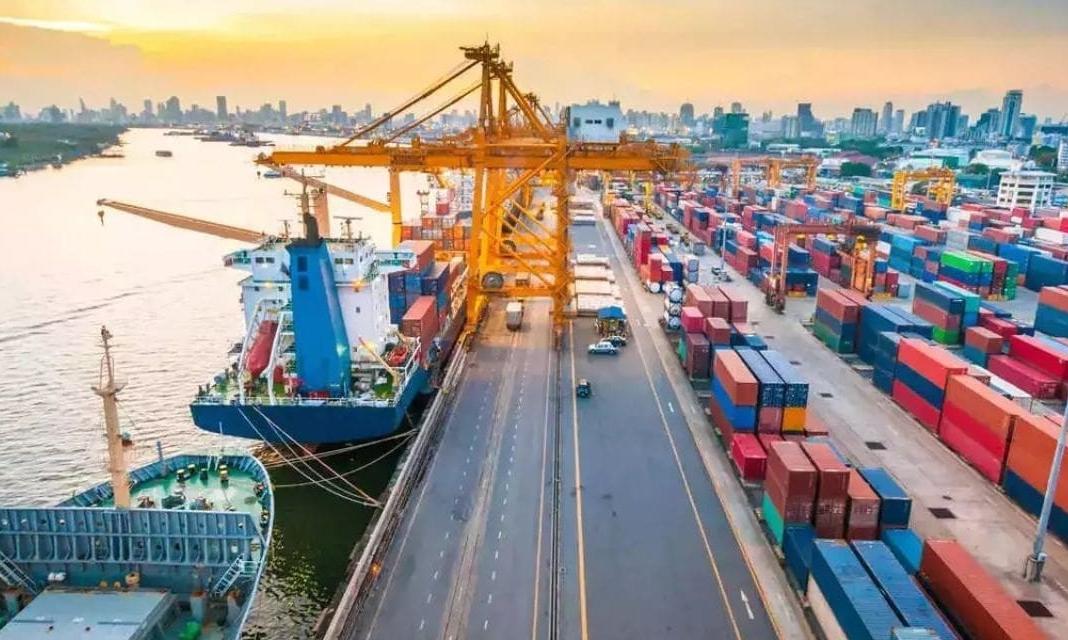
The US has imposed different tariffs on 60 countries for forced labour.
Some countries, like India, will pay a 10% tariff, while others will pay 12.5%.
The US says this is to address unfair trade practices.
But other countries think this is unfair because it treats them differently based on trade agreements.
Experts say these tariffs might be challenged in court, just like previous tariffs that were struck down.

US imposes differential tariffs on 60 countries under Section 301 for forced labour.
17 economies, including India, face 10% tariff; 43 others face 12.5% tariff.
Tariffs based on whether countries have signed trade agreements with the US.
Experts predict legal challenges similar to previous struck-down tariffs.
EU and Taiwan face a 10% tariff ceiling; Japan, South Korea, Switzerland face 12.5%.
- Who
- US Trade Representative (USTR), 60 economies including India, Canada, UK, Bangladesh, Pakistan
- What
- Differential tariffs imposed under Section 301 of US Trade Act for forced labour
- When
- USTR determinations issued on July 23, 2026
- Where
- Global, affecting imports from 60 economies
- Why
- To address unfair trade practices and advance broader trade policy goals
US Trade Policy
International Trade Partners
Tariff Consistency
US Trade Policy
The US argues that differential tariffs are necessary to address specific unfair trade practices and advance broader trade policy goals.
International Trade Partners
International trade partners argue that the differential tariffs are inconsistent and unfair, as they treat countries differently based on whether they have signed trade agreements with the US.
Legal Challenges
US Trade Policy
The US believes that its tariffs are legally sound and necessary to protect US commerce.
International Trade Partners
Trade partners believe that the tariffs are likely to face legal challenges and could be struck down by the US judiciary, similar to previous reciprocal tariffs.
- Tariff Rates
- 10% for 17 economies including India, Canada, UK, Bangladesh, Pakistan; 12.5% for 43 other economies
- Section 301 of US Trade Act
- Created to address unfair trade practices harming US commerce
- USTR Forced-Labour Determinations
- Issued on July 23, 2026, using Section 301 for trade policy goals
- EU and Taiwan Tariff Ceiling
- 10%
- Japan, South Korea, Switzerland Tariff Ceiling
- 12.5%
- India's Tariff
- Normal US MFN tariff plus full 10% Section 301 duty