

1 hr ago
India’s Election Chief Faces Pressure Over Alleged Voter-List Manipulation

India’s election chief, Gyanesh Kumar, is facing strong criticism over how voter lists are being checked.
Opposition groups say many eligible voters may have been removed from the lists.
Analysts estimate that about 130 million names were deleted during recent revisions.
A newspaper also reported that two senior election officials objected to several decisions.
The Election Commission says disagreements are a normal part of its work.
The government, Prime Minister Narendra Modi’s party and the commission deny wrongdoing.
Some opposition groups want Kumar to resign or face prosecution.
A youth-led group has threatened protests.
Kumar says the election commission treats the ruling party and the opposition equally.

Opposition groups are demanding the resignation of Chief Election Commissioner Gyanesh Kumar over alleged voter-list manipulation.
Political analysts estimate that 130 million names have been removed during the latest voter-roll revisions.
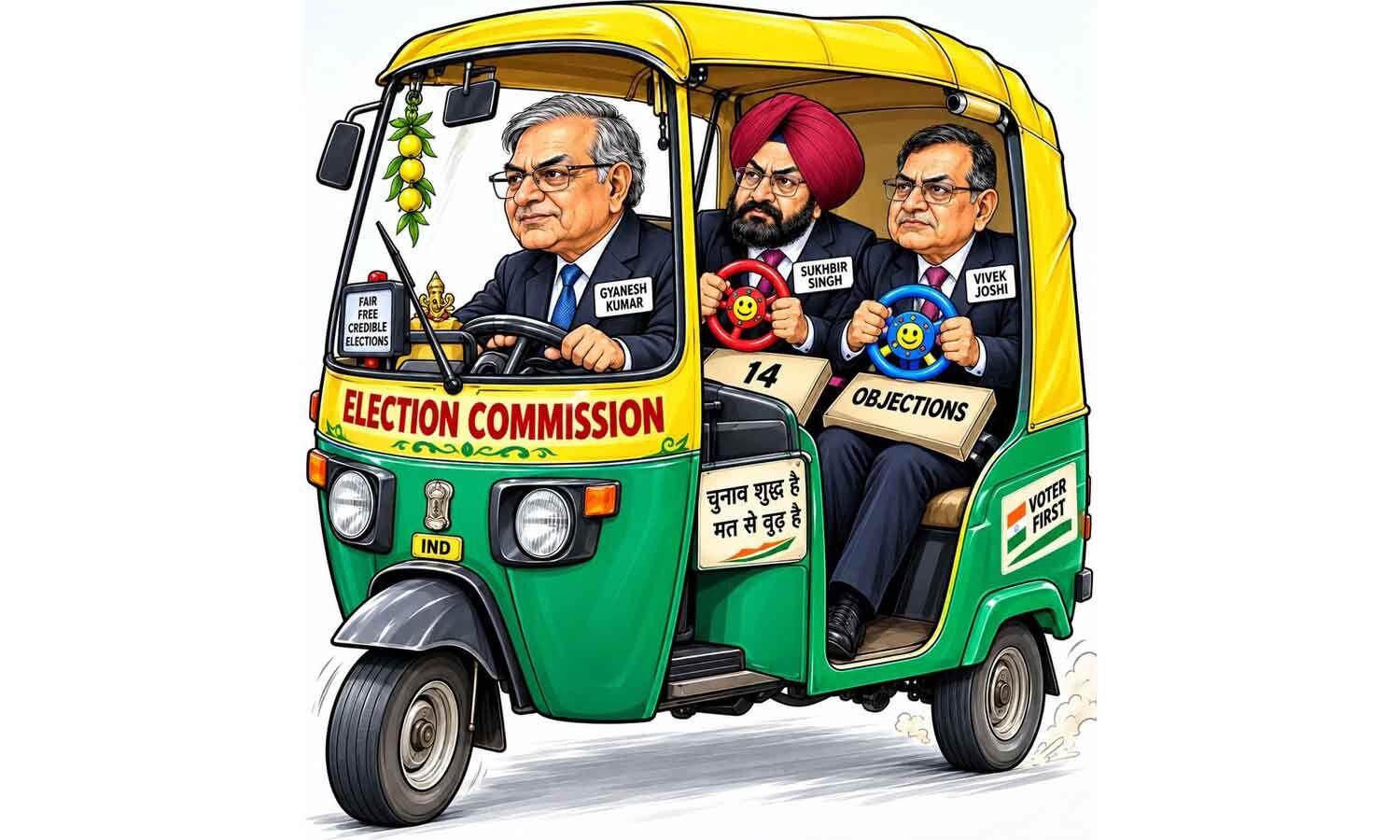
The Indian Express reported that Kumar’s two de facto deputies filed at least 14 objections over 10 months.
The Election Commission, government ministers and the Bharatiya Janata Party deny the allegations.
Protests and criminal prosecution demands have been threatened, while Kumar says the commission treats all sides equally.
- Who
- Chief Election Commissioner Gyanesh Kumar, India’s opposition groups, the Election Commission, the Bharatiya Janata Party and the Indian Express are central to the report.
- What
- Opposition groups are demanding Kumar’s resignation over alleged manipulation of voter rolls and related election procedures.
- Where
- India, including New Delhi and Kumar’s ancestral home in northern India.
- When
- The report is dated September 28; the latest voter-roll revisions began last year, and the Indian Express objections covered 10 months.
- Why
- Opposition groups allege that voter-list changes could benefit the government, while the government and Election Commission deny the accusations.
Opposition and critics
Election authorities and government
Voter-list revisions
Opposition and critics
Opposition groups allege that widespread deletions and changes to voter lists are intended to advantage the government and could remove eligible voters.
Election authorities and government
The government, the Bharatiya Janata Party and the Election Commission deny manipulating voter lists.
Kumar’s leadership
Opposition and critics
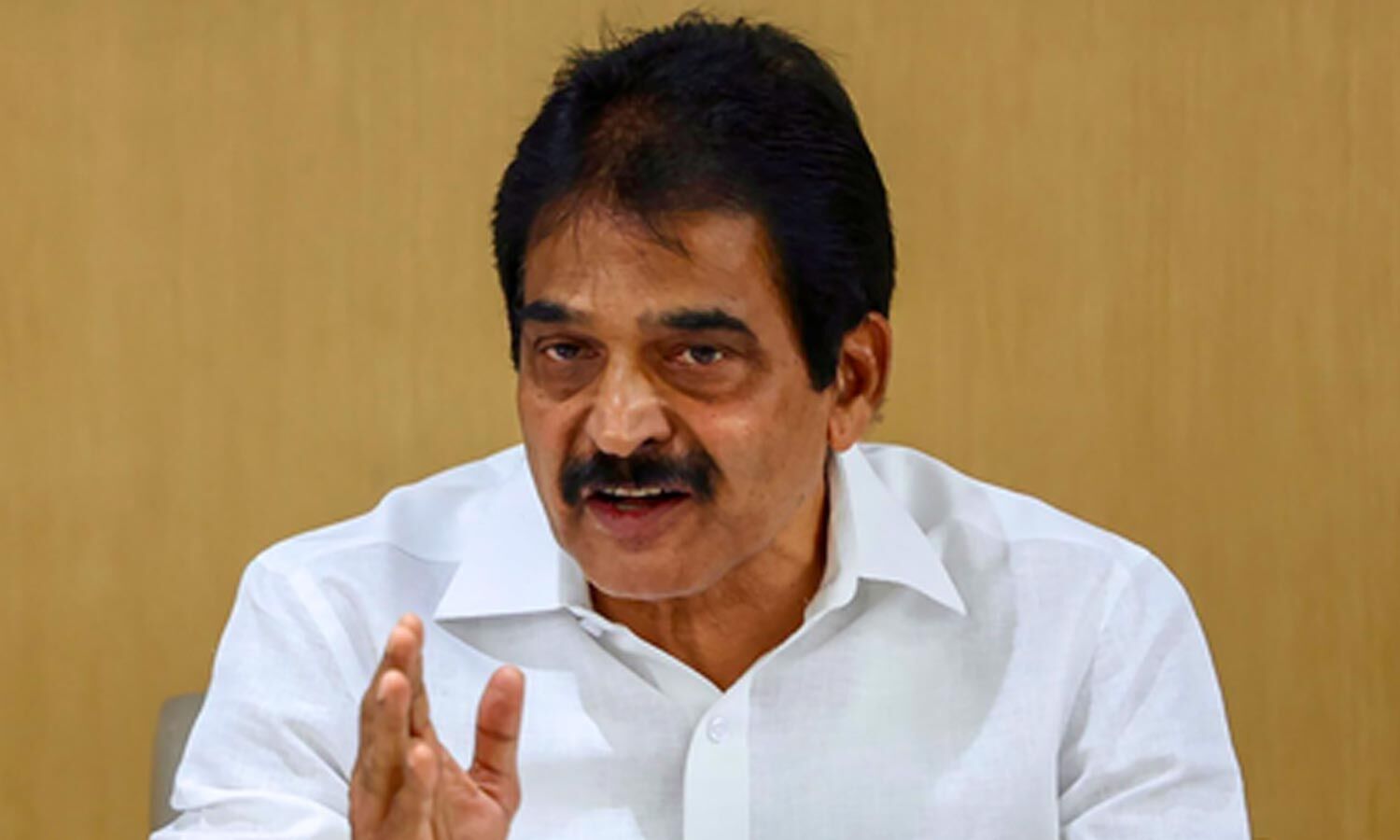
Opposition groups are demanding Kumar’s resignation, while the Congress party has called for his criminal prosecution for treason.
Election authorities and government
Kumar has defended the Election Commission and said it treats the opposition and ruling side equally.
Internal disagreements
Opposition and critics
Critics cite the Indian Express report that Kumar’s two de facto deputies filed at least 14 objections to decisions involving voter rolls, registration and digital systems.
Election authorities and government
The Election Commission says differing views and observations are a normal part of institutional deliberations.
Key facts
- Election chief
- Gyanesh Kumar, who became India’s chief election commissioner in February 2025.
- Alleged deletions
- Political analysts estimate that 130 million names have been removed from voter lists during the latest revisions.
- Recent electorate
- Nearly 650 million people voted in India’s 2024 national election.
- Reported objections
- The Indian Express said Kumar’s two de facto deputies raised at least 14 formal objections over 10 months.
- Government response
- The Indian government, Narendra Modi’s Bharatiya Janata Party and the Election Commission deny the allegations.
- Protest threat
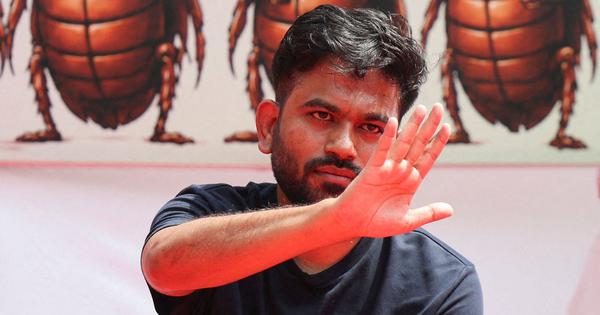
- The youth-led Cockroach Janta Party has threatened nationwide protests demanding Kumar’s ouster.
- Previous removal effort
- Opposition lawmakers introduced a motion to remove Kumar earlier this year, but Parliament rejected it.
Quotes

Gyanesh Kumar
India’s chief election commissioner
“For the Election Commission, there is neither an opposition nor a ruling side; everyone is equal.”
 theprint.in
Sources
Related news
Cockroach Movement Threatens Nationwide Protest Over Poll Chief

Opposition demands CEC removal after reported Election Commission dissent
Venugopal Demands CEC Gyanesh Kumar’s Arrest Amid ECI Row
Venugopal Demands CEC Gyanesh Kumar’s Resignation Over Voter Rolls
Opposition Demands CEC Gyanesh Kumar’s Removal Over SIR Dissent

CJP Demands CEC Gyanesh Kumar Resign, Threatens Nationwide Protests

Former Bengal MLA Biswajit Das Arrested After Firearm Recovery
Ujjain Mosque Protest Turns Violent as Courts Set Key Deadlines

Bhiwandi Court Denies Former BJP MLA Anticipatory Bail
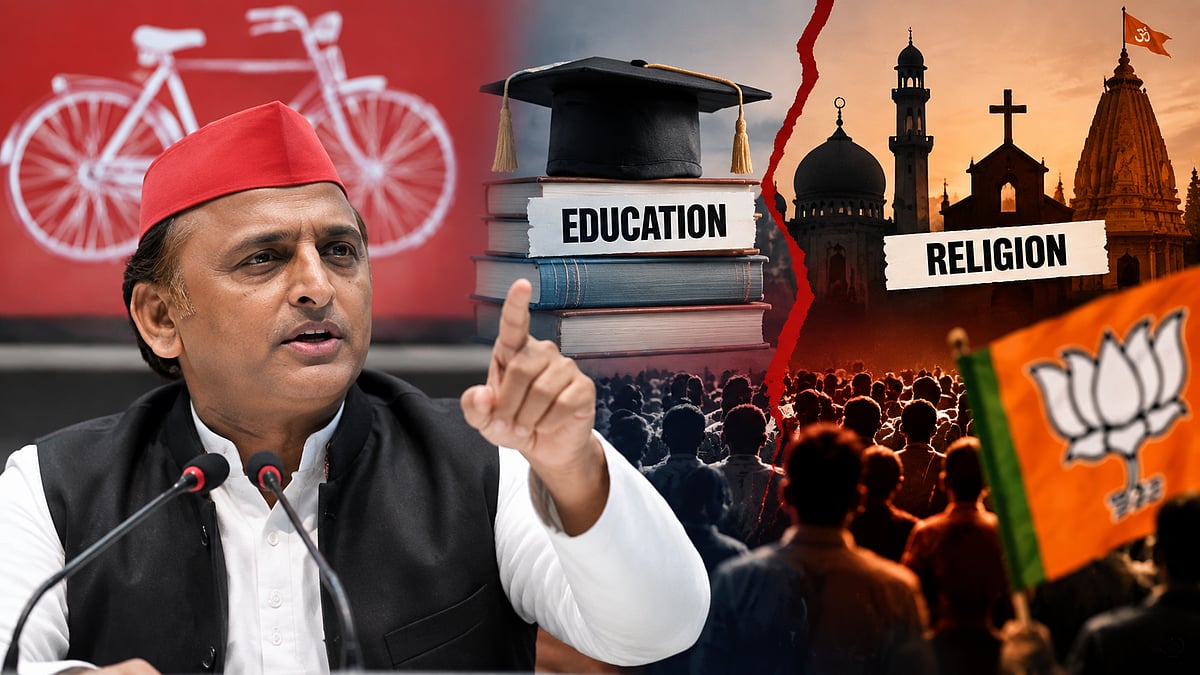
Akhilesh Yadav Accuses BJP of Dividing Society Through Education
