

Archive · 18 Jul 2025
India's Diverse Funeral Practices: A Cultural and Historical Overview
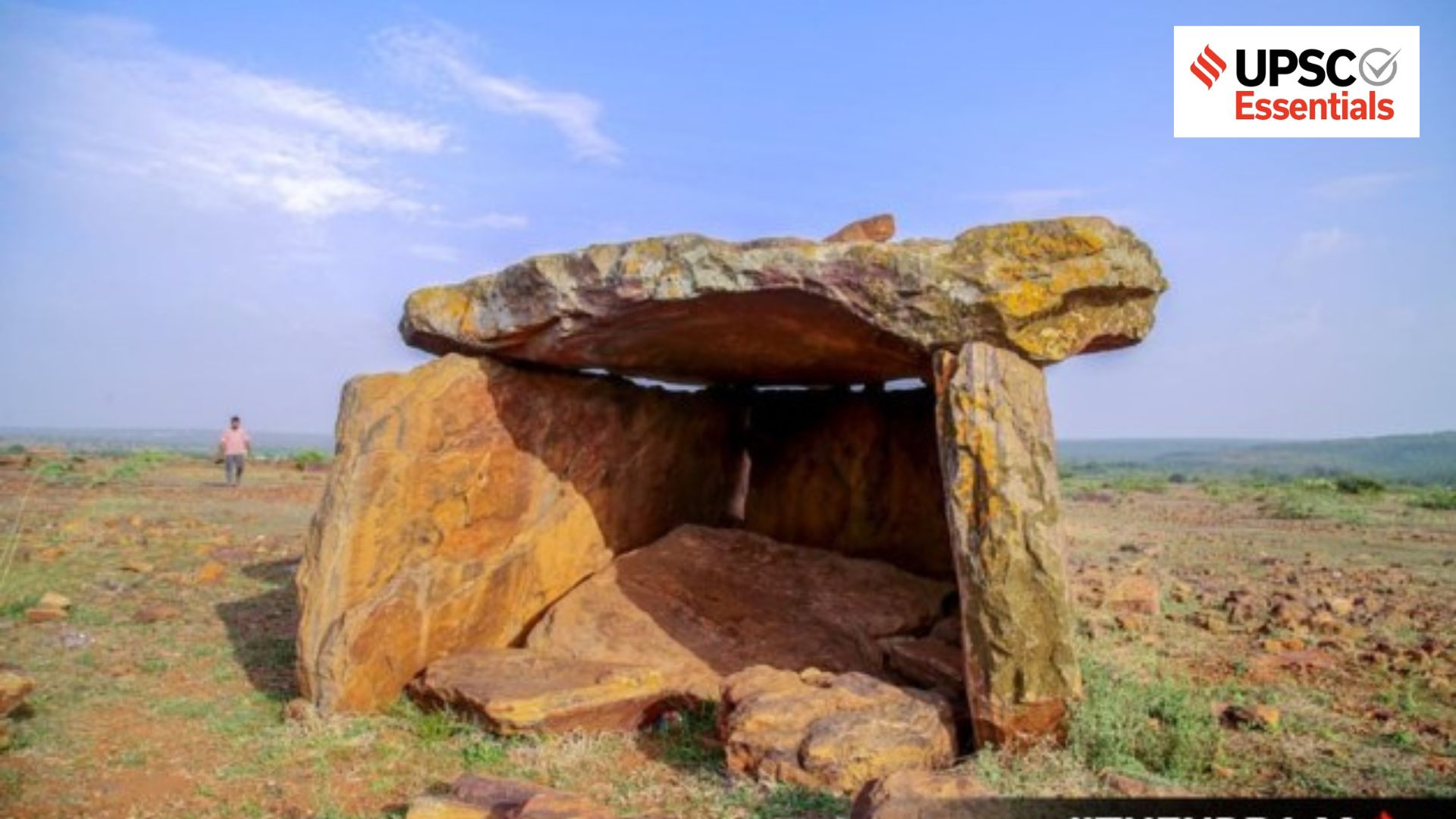
Imagine how different people think about what happens after we die!
In India, some people used to bury bodies in pots or under stones.
Others burned bodies and spread the ashes.
Some believed in being reborn, so they used practices to help that happen.
Different groups, like Hindus and Muslims, have different ways of remembering the dead, from building tombs to planting trees.
These practices depend on what people believe and their culture.
It also depends on where they lived and who they were in society.

Funeral practices in India vary widely, reflecting diverse beliefs about the afterlife.
Early practices included burials in pots and stone-lined pits, with cremation later introduced.
Cremation became common among upper castes, while lower castes often followed pre-Vedic burial customs.
Islamic influence introduced tomb building, while Rajputs adopted cupolas at cremation sites.
Different communities marked burial sites with stones and built structures like stupas and samadhis.
- Who
- Different communities, including Hindus, Muslims, Jain monks, Ahom kings, and tribal groups.
- What
- Funeral practices and monuments in India, highlighting their diversity and evolution.
- When
- From prehistoric times to the present day.
- Where
- Across India, with examples from Assam, South India, Rajasthan, and more.
- Why
- Funeral practices reflect diverse religious beliefs, cultural influences, and social structures concerning the afterlife.
- Ahom Kings
- Initially buried the dead in mounds (Moidams), later cremated.
- Prehistoric Burials
- Included burials in pots and stone-lined pits.
- Vedic Period
- Both cremation and burial practices were mentioned.
- Hero Stones
- Marked the spot where a warrior died protecting the village.
- Sati Stones
- Marked spots where women immolated themselves on husbands' pyres.
- Islamic Influence
- Led to the construction of monumental tombs in India.
- Rajput Practices
- Built cupolas and pavilions at cremation sites, known as Chattris.