

Archive · 23 Jul 2025
Gut Health: 7 Things to Know About Fiber's Benefits
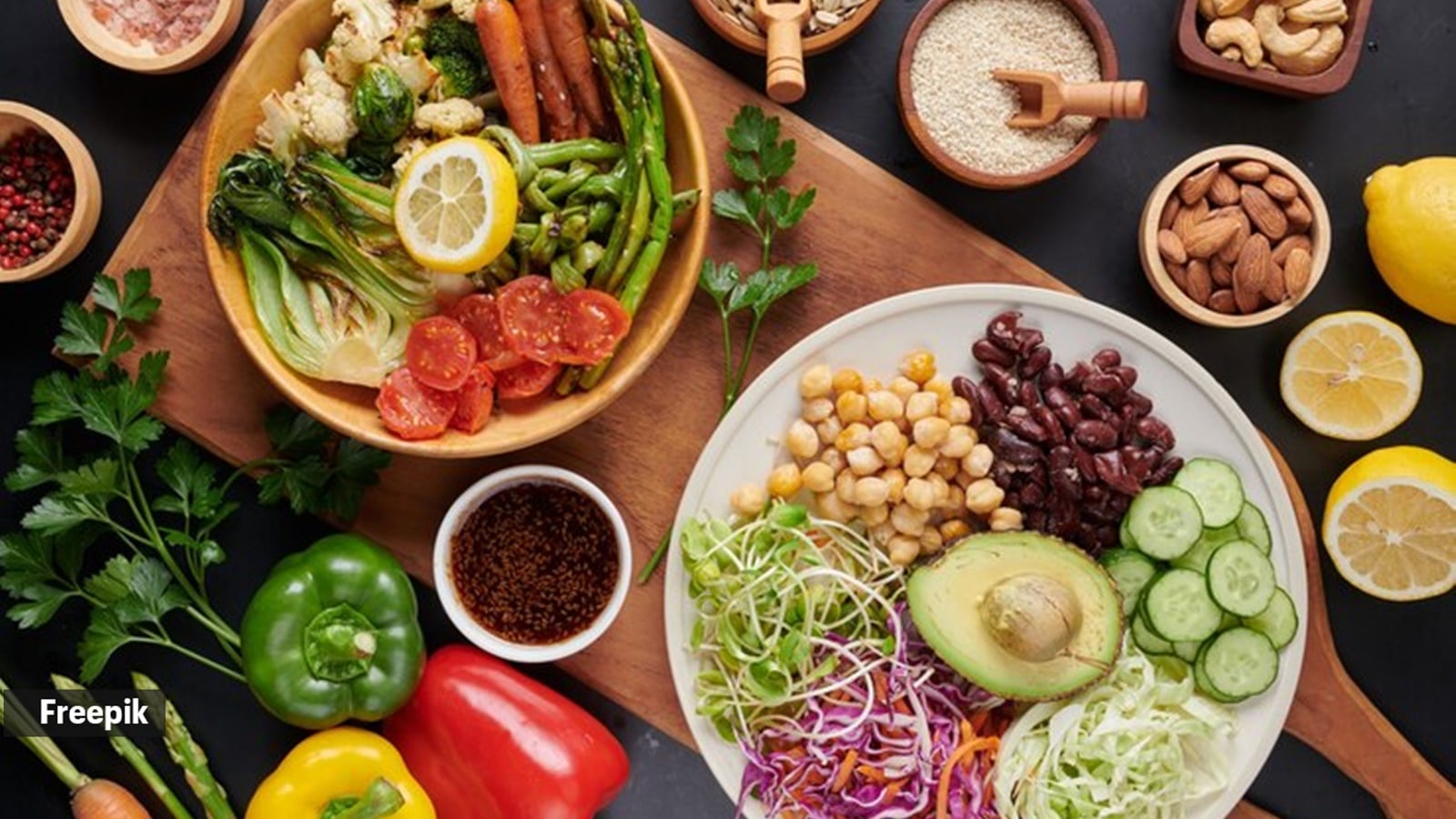
A doctor shared 7 important facts about fiber!
Fiber is like food for your tummy bugs and helps keep everything running smoothly.
Most people don't get enough fiber, which can lead to problems.
There are different types of fiber, both of which help with digestion and other important jobs.
Eating fiber-rich foods can also help you feel full and might even help with losing some belly fat.
It's best to add fiber to your diet slowly so your tummy doesn't get upset.
Fiber isn't just in vegetables; it can be found in many different foods!

Many people are deficient in fiber without realizing it, especially in urban areas.
Fiber feeds gut bacteria, which supports digestion, mood regulation, and immune defense.
Both soluble and insoluble fibers are crucial for different functions like managing cholesterol and aiding bowel movements.
High-fiber foods can help reduce belly fat by promoting fullness and slowing down digestion.
Increasing fiber intake too quickly can cause discomfort; a gradual increase is recommended.
- Who
- Dr. Saurabh Sethi, a gastroenterologist, and Dr. Adithya V Naragund, a GI surgeon.
- What
- A gastroenterologist shares seven key facts about fiber and its importance for health.
- When
- Not explicitly mentioned in the article.
- Where
- The article references information in both the US and India.
- Why
- To inform people about the benefits of fiber and how to incorporate it into their diet.
Perspectives
Details
Fiber Intake Pace
Perspectives
It is possible to consume too much fiber too fast.
Details
A slow introduction of fiber will help the body to adjust without any issue.
- Fiber deficiency in US
- Approximately 95% of Americans don't get enough fiber.
- Types of Fiber
- Soluble and Insoluble
- Soluble fiber sources
- Oats, apples, beans
- Insoluble fiber sources
- Whole grains, fruit/vegetable peels
- Recommended daily intake
- 25 to 30 grams per day for better metabolic health.