

Archive · 27 Jul 2026
How long do fruits and vegetables stay fresh?
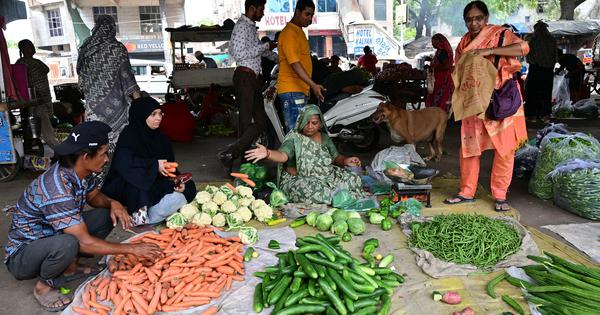
Fruits and vegetables stay fresh for different lengths of time depending on how they are stored.
Apples can last about a week at room temperature or three to four weeks in the fridge.
Bananas last two to seven days at room temperature and can be refrigerated when ripe.
Berries last three to seven days if refrigerated and should be stored in their original packaging.
Citrus fruits last about a week at room temperature or up to a month in the fridge.
Grapes last several days at room temperature or up to two weeks in the fridge.
Tomatoes should be allowed to ripen at room temperature and can be stored in the fridge for up to two weeks.
Carrots and parsnips last up to two weeks in a cool pantry or more than a month in the fridge.
Cucumbers last up to a week in the fridge, and cut cucumbers should be eaten within one to two days.
Lettuce lasts three to seven days if refrigerated and left whole.
Mushrooms last one day at room temperature or three to seven days in the fridge.
Onions can last more than six weeks in a cool, dry, well-ventilated area.
Potatoes can also last more than six weeks in a cool, dark, dry place.
Proper storage conditions, such as refrigeration and controlled humidity, can help extend the shelf life of fruits and vegetables.
It's important to avoid storing ethylene-producing fruits like bananas and apples with other produce to prevent premature ripening and spoilage.

Fruits and vegetables are highly susceptible to bacteria, fungi, and other pathogenic microbes.
Proper storage conditions can maximize freshness and safety.
Use-by dates on packaging are useful indicators but can be affected by storage environment.
Different fruits and vegetables have different ideal storage conditions.
Ethylene-producing fruits like bananas and apples can accelerate the ripening of other produce.
- Who
- Primrose Freestone, Senior Lecturer in Clinical Microbiology, University of Leicester
- What
- How long fruits and vegetables stay fresh and proper storage methods
- When
- Not specified
- Where
- Not specified
- Why
- To maximize freshness and safety of fruits and vegetables
Proper Storage Advocates
Convenience Prioritizers
Storage Conditions
Proper Storage Advocates
Proper storage conditions, such as refrigeration and controlled humidity, significantly extend the shelf life of fruits and vegetables.
Convenience Prioritizers
Convenience often leads to improper storage, such as leaving produce at room temperature, which reduces shelf life.
Ethylene Gas Impact
Proper Storage Advocates
Avoiding storing ethylene-producing fruits like bananas and apples with other produce prevents premature ripening and spoilage.
Convenience Prioritizers
Convenience storage practices may lead to mixing ethylene-producing fruits with other produce, accelerating spoilage.
- Apples
- 1 week at room temperature, 3-4 weeks in the fridge
- Bananas
- 2-7 days at room temperature, refrigerate when ripe
- Berries
- 3-7 days refrigerated, store in original packaging
- Citrus Fruits
- 1 week at room temperature, up to 1 month in the fridge
- Grapes
- Several days at room temperature, up to 2 weeks refrigerated
- Tomatoes
- Ripen at room temperature, up to 2 weeks in the fridge
- Carrots and Parsnips
- Up to 2 weeks in a cool pantry, more than a month in the fridge
- Cucumbers
- Up to a week in the fridge, cut cucumbers within 1-2 days
- Lettuce
- 3-7 days refrigerated if left whole, follow use-by date for mixed leaves
- Mushrooms
- 1 day at room temperature, 3-7 days in the fridge
- Onions
- More than 6 weeks in a cool, dry, well-ventilated area
- Potatoes
- More than 6 weeks in a cool, dark, dry place