

Archive · 23 Sep 2026
Meta Tests Human Callers Behind New Muse AI Assistant

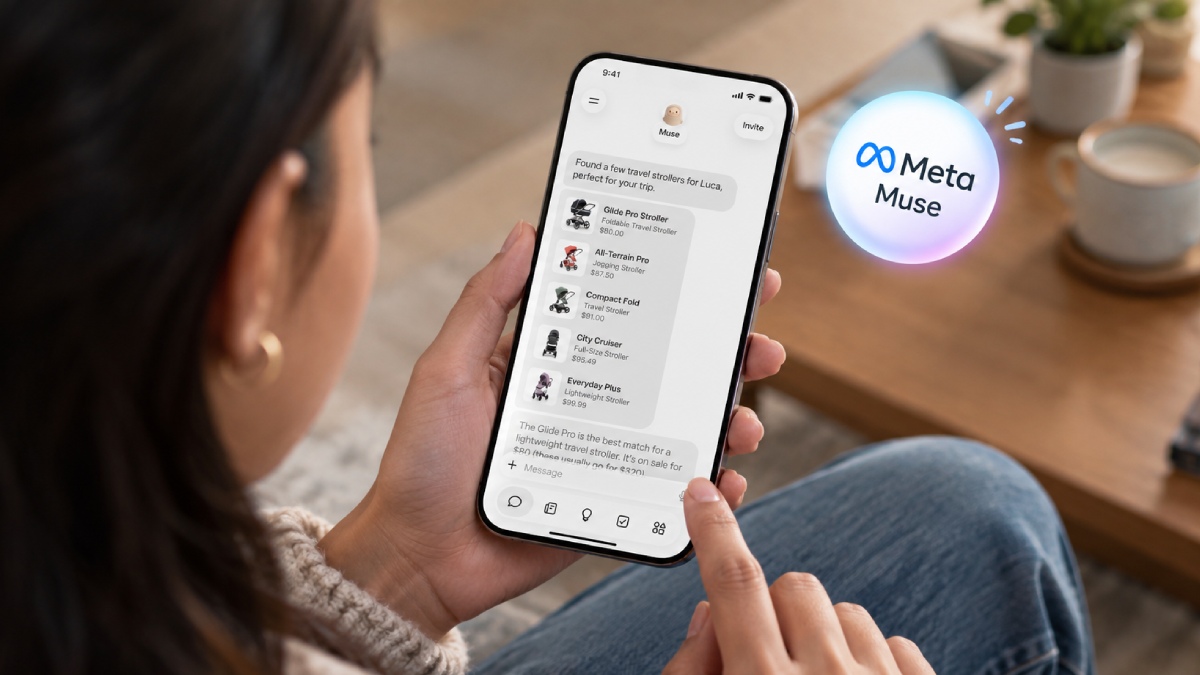
Muse is an AI assistant made by Meta that can make phone calls for people.
It can call businesses to book appointments, check products, negotiate bills, or ask for prices.
Sometimes a real human contractor handled the call instead of the AI.
Meta tested this with about half of its employees after some businesses refused to speak with AI callers.
Some employees worried that contractors could hear private information.
One employee said a call transcript included a racist reference from a human agent.
A Meta executive said it was a mistake to begin the test without clearly explaining the human involvement.
The company said it rolled back the feature for now.
Meta still wants to improve AI calling before making it available more broadly.

Meta tested a “human concierge” that let contractors handle some calls made through its Muse assistant.
Muse can call United States businesses to book appointments, check inventory, negotiate bills, and request contractor quotes.
The feature was enabled for half of Meta employees after some businesses reportedly rejected calls upon recognizing Muse as AI.
Employees raised privacy and security concerns, including possible exposure of sensitive information and a reported racist reference in one transcript.
Meta said the test aimed to improve safety and calling performance, but rolled it back pending proper disclosures.
- Who
- Meta, its Muse AI assistant, human contractors, Meta employees, and businesses receiving calls.
- What
- A test in which human agents handled some phone calls that Muse users asked the assistant to make.
- When
- Meta began internal testing in August and disclosed the human-agent test to employees last week, shortly after Muse’s public launch.
- Where
- Muse called United States businesses, while contractors handled some calls from call centers.
- Why
- Meta said it wanted feedback to improve safety, privacy, calling performance, and call completion before a broader rollout.
Privacy and Transparency Concerns
Testing and Product Improvement
Human access to calls
Privacy and Transparency Concerns
Employees warned that contractors might unintentionally hear sensitive information, weakening the privacy protections emphasized for Muse.
Testing and Product Improvement
Meta said human-agent testing could provide feedback needed to improve safety, privacy protections, and calling features.
Disclosure before testing
Privacy and Transparency Concerns
Employees and a Meta vice president criticized the lack of clear disclosure before contractors began handling calls.
Testing and Product Improvement
Meta said it would release the feature more broadly only when it was ready and included proper disclosures.
AI autonomy
Privacy and Transparency Concerns
The test raised questions about whether Muse’s apparent autonomy was being overstated when people were completing tasks behind the scenes.
Testing and Product Improvement
Meta used trained agents to address situations in which businesses rejected AI callers and to improve call-completion rates while developing AI calling.
- Assistant
- Muse, Meta’s personal AI assistant
- Human-agent access
- The feature was enabled for half of Meta’s employees
- Calling tasks
- Booking appointments, checking inventory, negotiating bills, and requesting contractor quotes
- Reported success rate
- Tests with human callers reportedly reached 95% to 98%, compared with a lower rate for AI-only calling
- Downloads
- Muse had more than 2.5 million downloads after its release
- Security concerns
- Employees said human involvement could undermine Muse’s isolated virtual machines and separate storage for sensitive information
- Current status
- The human-agent feature was rolled back pending proper disclosures
Sources
Why Are Meta Employees Concerned About Muse’s Phone Calls?
Meta Testing a 'Human Concierge' For Its New Personal AI Agent, Muse
Meta testing a 'human concierge' for its new personal AI agent Muse
Meta testing a 'human concierge' for its new personal AI agent, Muse
