3 weeks ago
New Drugs Bill Proposes Renaming DCGI, Medical Devices Under Law
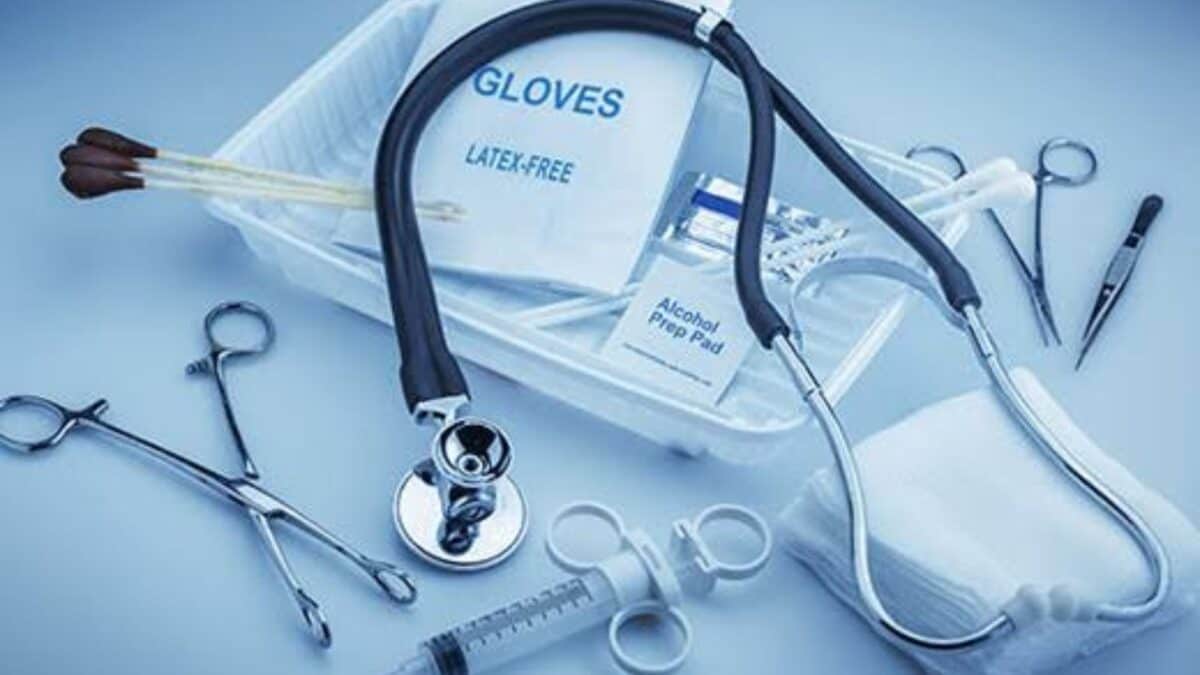
India is writing a big new law about medicines, medical devices such as hospital machines, and cosmetics.
It would replace a law that has been around for 86 years.
For the very first time, medical devices would get their own special set of rules.
The country's top drug regulator would also get a new, longer title.
Anyone who makes bad or fake medicines that could seriously hurt people could go to jail for at least 10 years.
Companies that run medicine tests must also treat and compensate volunteers who get hurt, or they could go to jail.
But some makers of medical devices are not happy with the plan.
They say the law treats devices like medicines even though they are very different products.
They have asked the government to create a separate law just for medical devices.
They worry the current plan could slow down India's dream of becoming a big medical device maker.

The draft Drugs, Medical Devices and Cosmetics Bill, 2026, proposes to repeal the Drugs and Cosmetics Act, 1940, consolidating rules into a 190-section statute across eight chapters.
For the first time, medical devices would get a standalone statutory framework, with a dedicated Chapter V, a separate Medical Devices Technical Advisory Board and a proposed central medical devices testing laboratory.
The Drugs Controller General of India would be renamed 'Drugs and Medical Devices Controller General, India' and serve as the national regulatory authority for a specified list of provisions.
The bill extends the graded criminal penalty structure to medical devices and makes conducting trials without permission or failing to pay compensation a punishable offence.
Eleven industry associations have written to Union Health Minister JP Nadda urging re-examination and a standalone Medical Devices Act, saying the bill treats devices as an adjunct to pharmaceuticals.
- Who
- India's legislative department, the Drugs Controller General of India (DCGI), Union Health Minister JP Nadda and eleven medical device industry associations including AiMeD.
- What
- A draft Drugs, Medical Devices and Cosmetics Bill, 2026, that would repeal the Drugs and Cosmetics Act, 1940, rename the DCGI, create a dedicated medical devices framework and extend criminal penalties to devices.
- Where
- India.
- When
- The draft was circulated by the legislative department on June 9; the report was published on August 11, 2026.
- Why
- To consolidate and modernise the law on drugs, medical devices and cosmetics, encourage innovation, and give medical devices a dedicated statutory framework for the first time.
Government's unified drug-device bill
Medical device industry position
Standalone Medical Devices Act vs unified law
Government's unified drug-device bill
The draft bill gives medical devices their own chapter, a separate technical advisory board, a central testing laboratory and a dedicated penalty structure within one consolidated law.
Medical device industry position
Eleven associations, backed by Parliamentary Committees, NITI Aayog and WHO principles, say the bill still treats devices as an adjunct to pharmaceuticals and demand a standalone Medical Devices Act; as AiMeD forum coordinator Rajiv Nath put it, India's device sector 'cannot be shackled by a pharma-centric law.'
Criminal penalties for device makers
Government's unified drug-device bill
The bill extends the graded criminal penalty structure to medical devices for the first time, treating serious product failures like adulterated or spurious drugs.
Medical device industry position
Industry argues pharma-style terms such as 'adulterated' and 'spurious' wrongly criminalise engineering deviations, and that imprisoning people for labelling errors, documentation lapses or licensing issues ignores global practice of administrative enforcement.
Impact on manufacturing ambitions
Government's unified drug-device bill
The draft bill says it aims to ensure quality, safety, efficacy and performance while encouraging innovation and emerging technologies.
Medical device industry position
The industry says the bill undermines India's ambition to become a global medical device manufacturing hub, cut import dependence and cross Rs 1,00,000 crore in exports within five to seven years.
Key facts
- Draft Bill
- Drugs, Medical Devices and Cosmetics Bill, 2026
- Law to be Repealed
- Drugs and Cosmetics Act, 1940
- Statute Structure
- 190 sections across eight chapters
- Circulated By
- The legislative department, on June 9
- New Regulator Title
- Drugs and Medical Devices Controller General, India
- Top Drug Penalty
- Minimum 10 years' imprisonment and a fine of at least Rs 10 lakh or three times the value of the drugs, where death or grievous hurt (as defined by the Bharatiya Nyaya Sanhita, 2023) is likely
- Clinical Trial Breach
- Up to one year's imprisonment or a fine of at least twice the compensation amount
- Industry Demand
- A standalone Medical Devices Act, urged by eleven associations
Quotes
Rajiv Nath
Forum coordinator of the AiMeD lobby of domestic medical device makers
“Eleven national associations, backed by Parliamentary Committees, NITI Aayog, and WHO principles, urge the government to enact a standalone Medical Devices Act. Without this, India risks discouraging investment, innovation, and patient safety, undermining Make in India and Atmanirbhar Bharat.”
 news18.com
Sources
Related news

Bill to overhaul drugs law faces medical device sector opposition

Medical device groups seek separate regulatory authority in India
Draft Drugs Bill Expands Compounding Route, Retains Tougher Punishments

India to Debar Drug Firms Submitting Fake Approval Data

Maharashtra Clinical Establishments Bill Draws 2,000 Suggestions From Doctors

India Eases Outsourced Sterilisation Rules for Medical Devices

BSF Sub-Inspector Allegedly Caught With Woman In Indore Hotel

Chennai Teacher Dies by Suicide Amid Dowry Allegations

Puppy Munna Suffers Severe Burns in Alleged Indore Acid Attack
Allahabad High Court Grants Relief to 49 NEET Protesters

Palghar Police Book 22 Women Over Alleged Conversion Attempt