

Archive · 18 Jul 2026
China Shifts to District Cooling for Heat
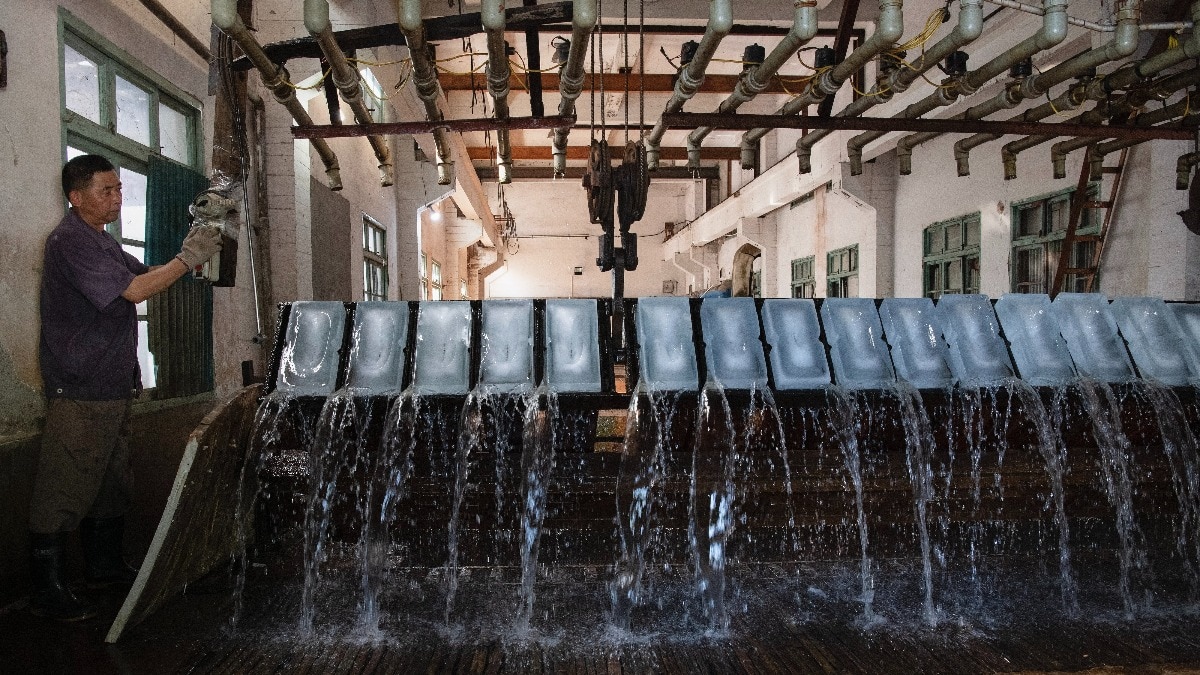
China is getting very hot, and instead of just using lots of air conditioners, they are building big systems to cool whole areas.
These systems make cold water in central places and send it to many buildings through underground pipes.
This uses less energy and creates less pollution.
Cities like Shenzhen and Guangzhou are doing this, and they are also using smart ways to store and manage the cold.
This helps keep buildings cool while saving electricity and water.
It's like having a big, shared cooling system for the whole city instead of each building having its own.

China is implementing district cooling systems to combat extreme heat.
Shenzhen's Qianhai cooperation zone has the largest cooling station in Asia, serving 2.75 million square meters of buildings.
The system is projected to save 130 million kilowatt-hours of electricity and eliminate 130,000 tonnes of CO₂ annually.
Guangzhou's Financial City development area will cover 8 square kilometers with eight centralized energy stations.
Complementary technologies like ice thermal storage, ground-source heat pumps, and reclaimed-water cooling circuits are used to manage peak demand and reduce freshwater use.
- Who
- Chinese cities (Shenzhen, Guangzhou)
- What
- Implementation of district cooling systems
- When
- Ongoing
- Where
- China (Shenzhen, Guangzhou)
- Why
- To improve energy efficiency and reduce emissions while managing extreme heat
- Location
- China (Shenzhen, Guangzhou)
- Technology
- District cooling systems
- Energy Savings
- 130 million kilowatt-hours annually
- CO₂ Reduction
- 130,000 tonnes annually
- Cooling Capacity
- 200,000 refrigeration tons
- Area Covered
- 8 square kilometers
- Complementary Technologies
- Ice thermal storage, ground-source heat pumps, reclaimed-water cooling