

2 hrs ago
India’s Possible Quiet Role in Renewed Russia-Ukraine Peace Talks
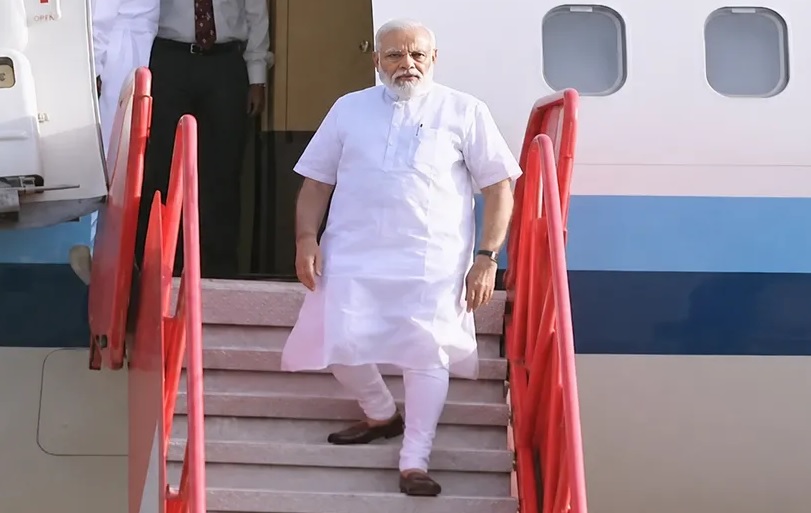
India may have quietly helped encourage new peace talks about the war between Russia and Ukraine.
The Indian government has not said that it acted as a mediator.
Prime Minister Narendra Modi spoke with U.S. Vice President J.D. Vance on August 8, 2026.
India’s foreign minister later met Russian officials and visited Ukraine.
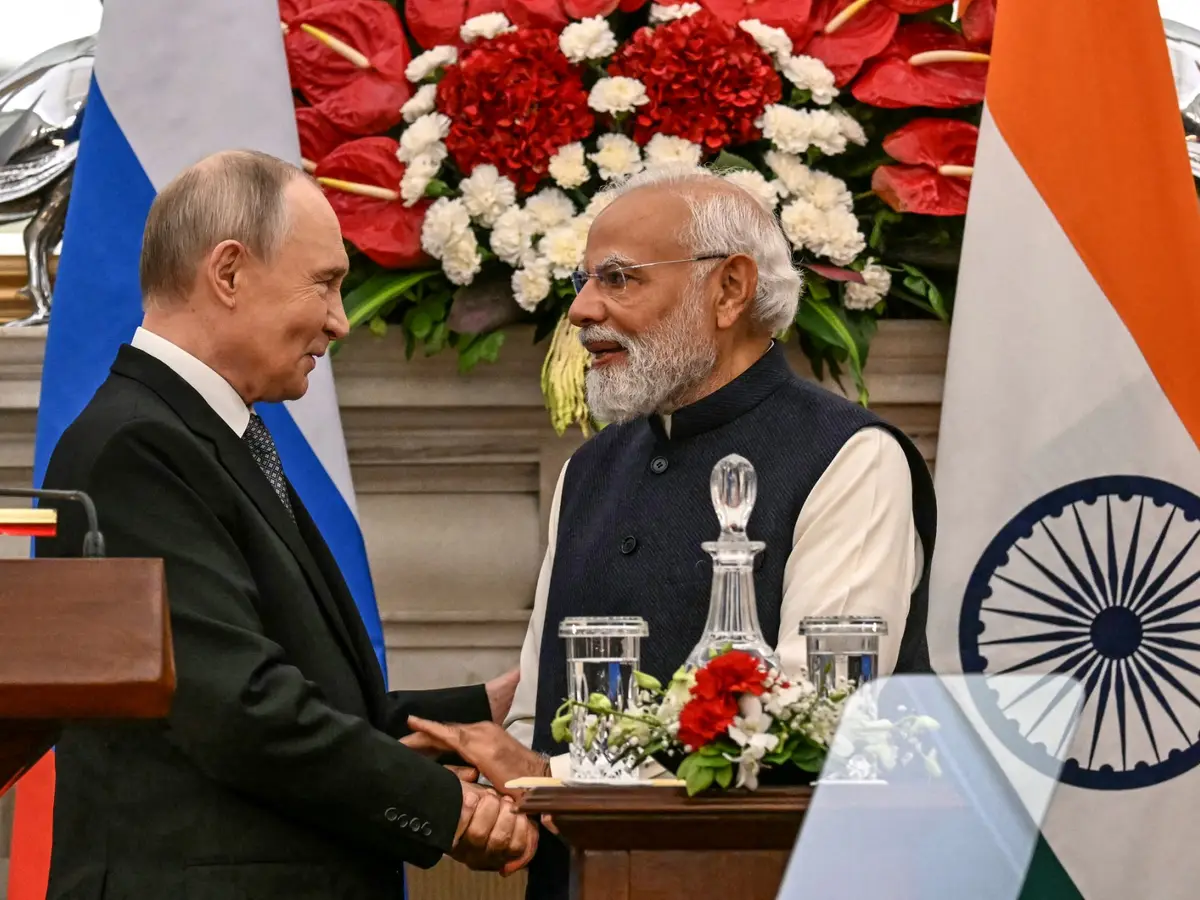
Indian leaders repeatedly said that the war should end through talks and diplomacy.
After the foreign minister returned to India, U.S. diplomats travelled to Moscow.
American envoys said more plans and talks were expected soon.
The reported connection between these events is based on timing and statements, not an official confirmation from India.

India’s government has not confirmed whether it helped facilitate recent Russia-Ukraine-United States peace discussions.
The reported sequence began with Prime Minister Narendra Modi’s August 8, 2026, call with U.S. Vice President J.D. Vance.
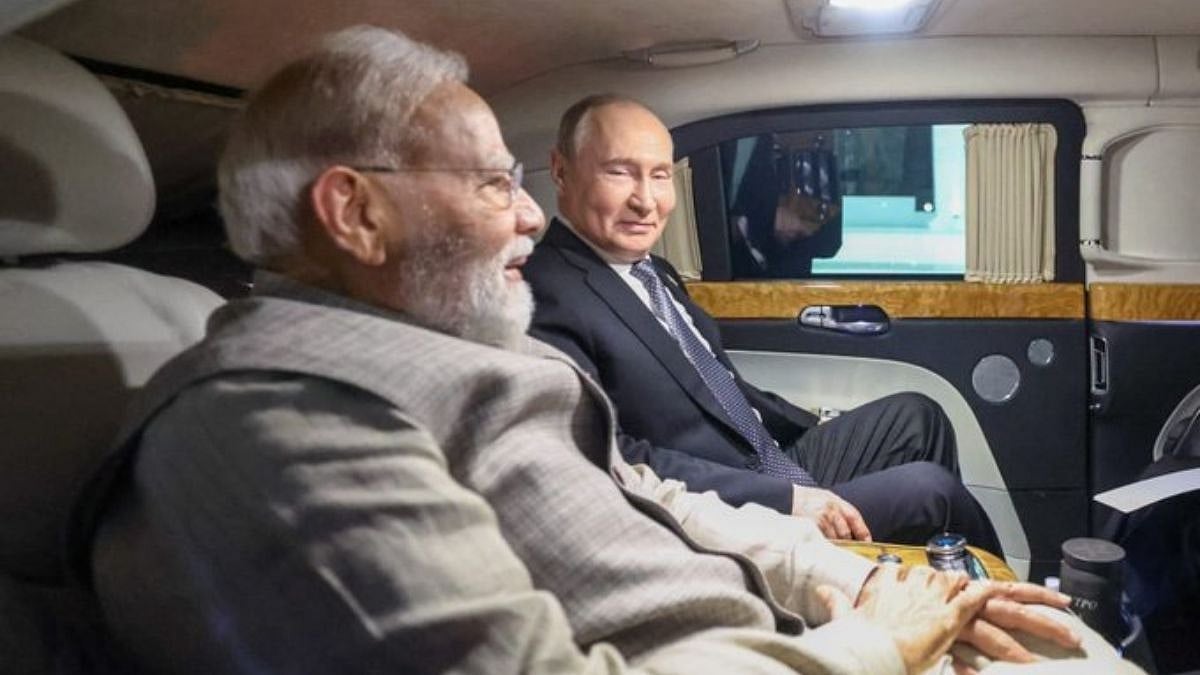
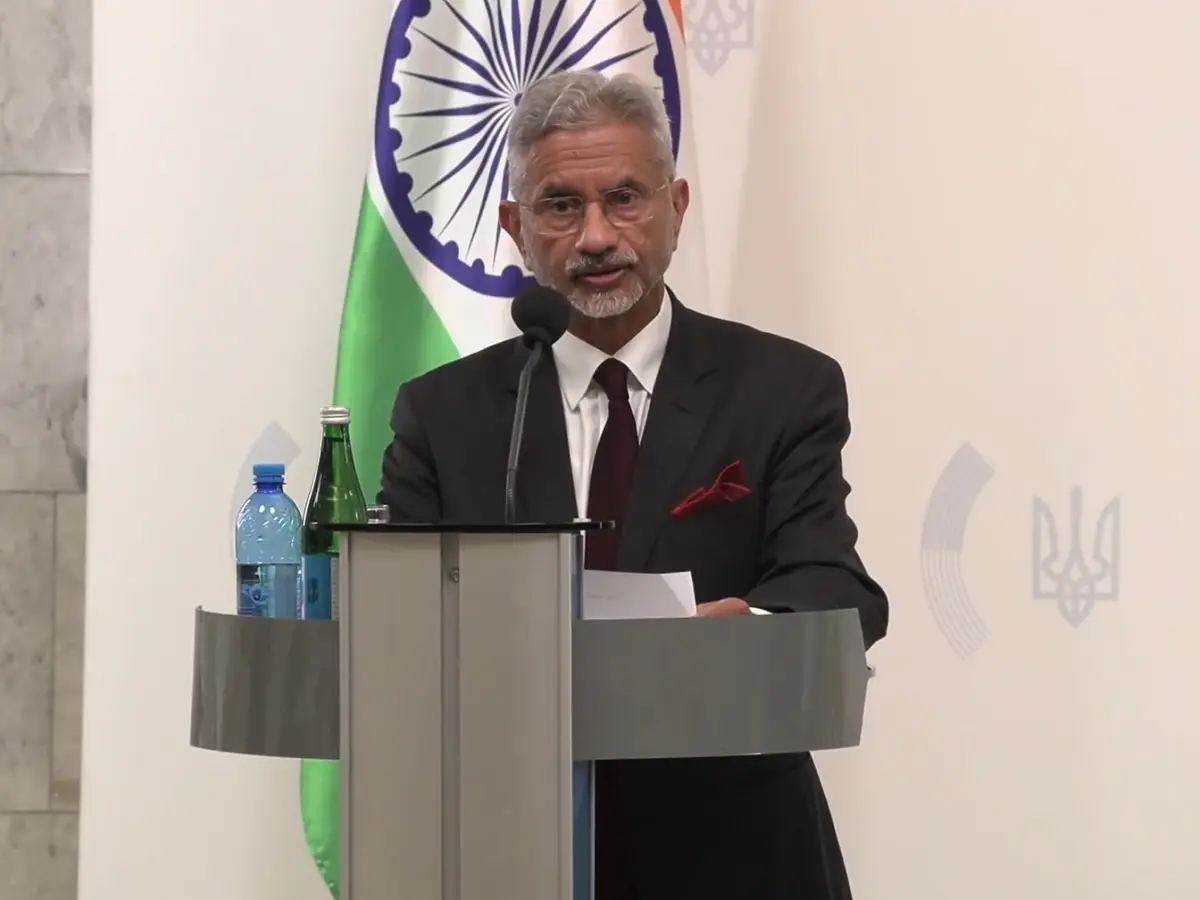
External Affairs Minister S. Jaishankar met Russian officials, including Vladimir Putin, and later visited Ukraine and Poland.
India publicly urged a shift from an “endless war” toward dialogue, diplomacy and an end to the conflict.
U.S. diplomats subsequently travelled to Moscow, while American envoys said substantive plans and another round of talks were expected soon.
- Who
- The governments and leaders of India, Russia, Ukraine and the United States, including Narendra Modi, J.D. Vance, S. Jaishankar and Vladimir Putin.
- What
- India may have quietly helped create momentum for renewed Russia-Ukraine-United States peace talks, although this has not been confirmed.
- Where
- The contacts and meetings involved India, Moscow, Kyiv, Warsaw, Washington and Bishkek.
- When
- The reported sequence took place over about one month, beginning with a call on August 8, 2026; later events occurred in late August and the following week.
- Why
- India says it supports dialogue and diplomacy to end the war, which it describes as causing deaths, destruction and global costs.
Possible Indian Facilitation
No Confirmed Indian Mediation
Interpretation of the diplomatic sequence
Possible Indian Facilitation
The timing of Modi’s call with Vance, Jaishankar’s contacts with Russia and Ukraine, and the subsequent U.S. visit to Moscow may indicate that India helped bring the parties toward talks.
No Confirmed Indian Mediation
India has not publicly claimed a mediating role, and the article provides no official confirmation that New Delhi brokered the discussions.
India’s diplomatic approach
Possible Indian Facilitation
India may be pursuing a quiet strategy, working with the parties without publicly announcing its involvement.
No Confirmed Indian Mediation
India’s stated position is that it supports all peace efforts and will do what it can to help, but this does not establish that it organized the talks.
Key facts
- India’s reported role
- Possible behind-the-scenes facilitation of Russia-Ukraine-United States talks; the government remains silent on the claim.
- Initial contact
- Narendra Modi spoke with U.S. Vice President J.D. Vance on August 8, 2026.
- Russian engagement
- S. Jaishankar visited Moscow and met Vladimir Putin during inter-government commission meetings.
- Modi’s message
- India should help move from an “endless war” to an “end to war” through peaceful resolution.
- Ukraine visit
- Jaishankar visited Ukraine before travelling to Poland and said India remained in contact with both sides.
- U.S. diplomatic visit
- A team of U.S. diplomats travelled to Moscow shortly after Jaishankar returned to New Delhi.
- Next steps
- U.S. special envoys said substantive plans were expected in the coming weeks, with another round of talks to follow.
Quotes

Vladimir Putin
President of Russia
“We need to move from the state of endless war to the end of war, the path that is essential for the wellbeing of humanity.”
 deccanchronicle.com
“Thank you very much, Prime Minister. We are moving forward along this path.”
deccanchronicle.com
Sources
Related news

India Seeks Diplomatic Path to End Russia-Ukraine War
India Urges Shift From Endless War to End of War
Modi Urges Putin to End Ukraine War for Humanity
India Offers Help as Ukraine Peace Diplomacy Resumes

India Says It Is Working With Russia, Ukraine For Peace
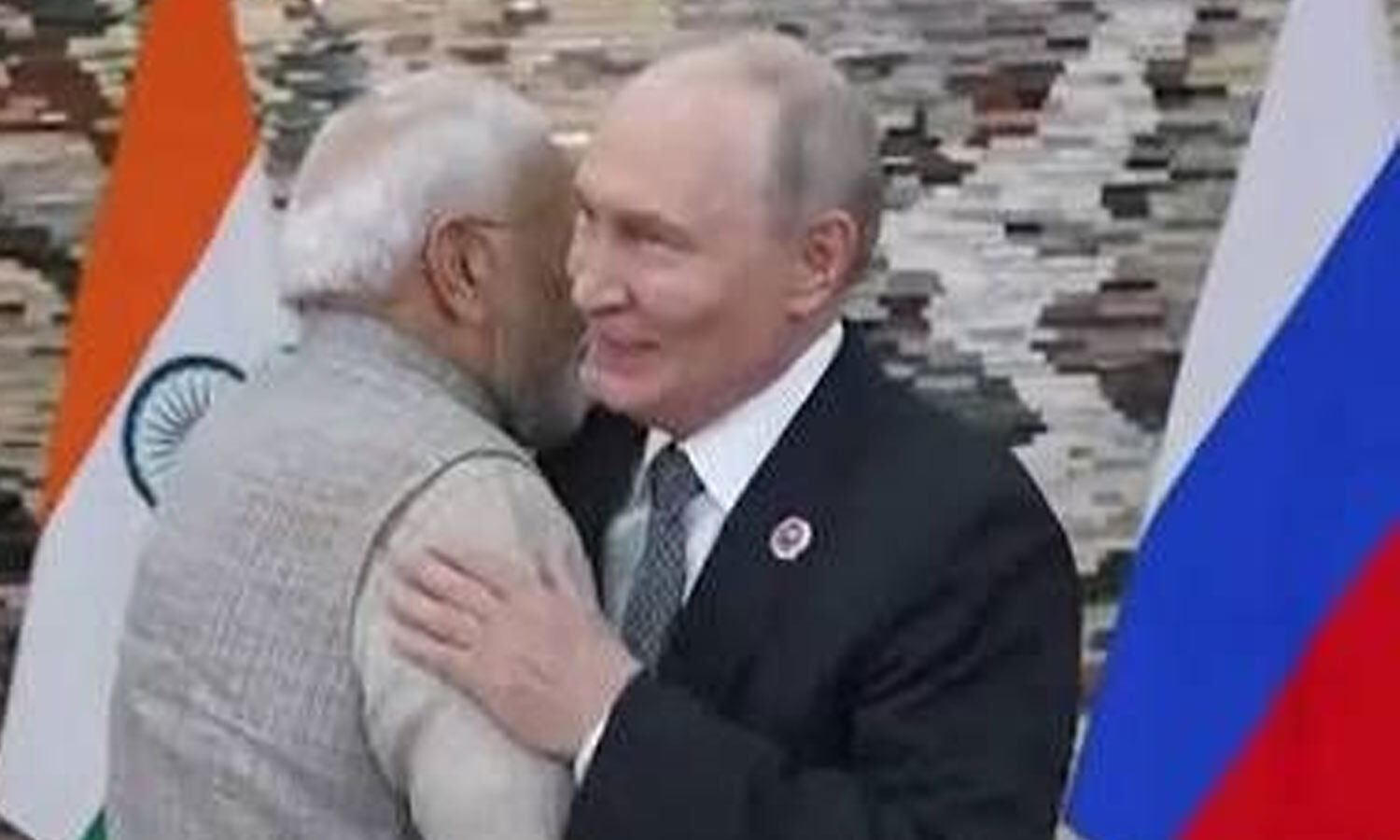
Modi Urges Putin to Move From Endless War to Peace
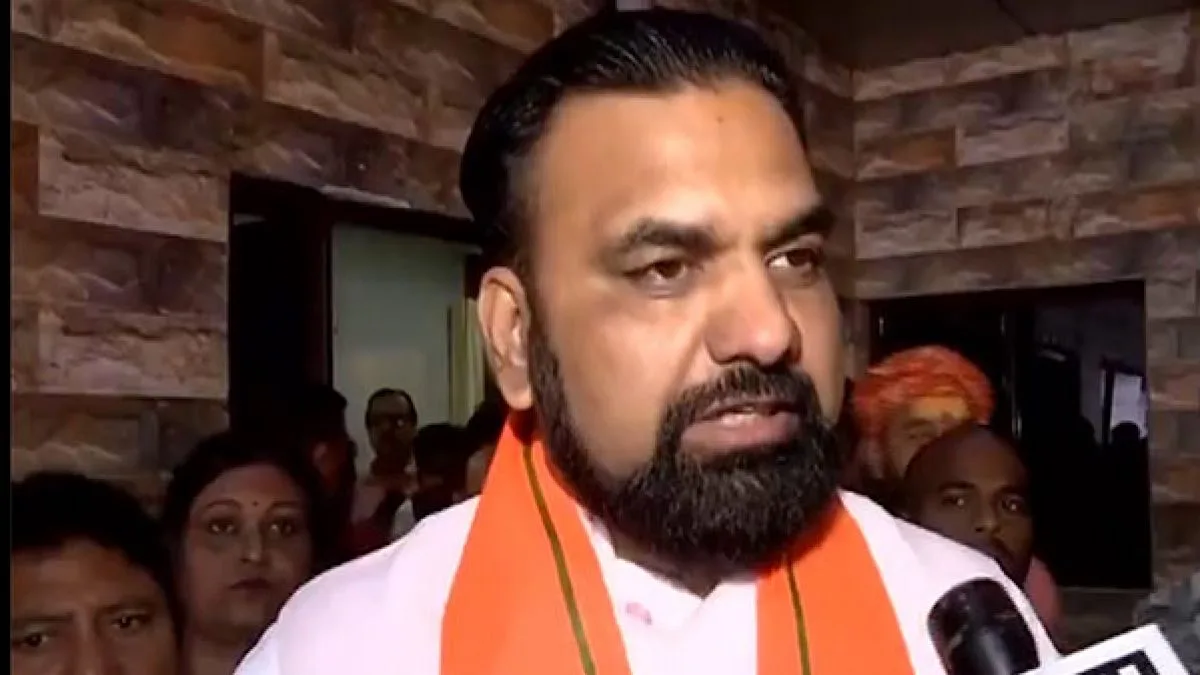
Bihar floods affect 27 lakh as relief expected within days
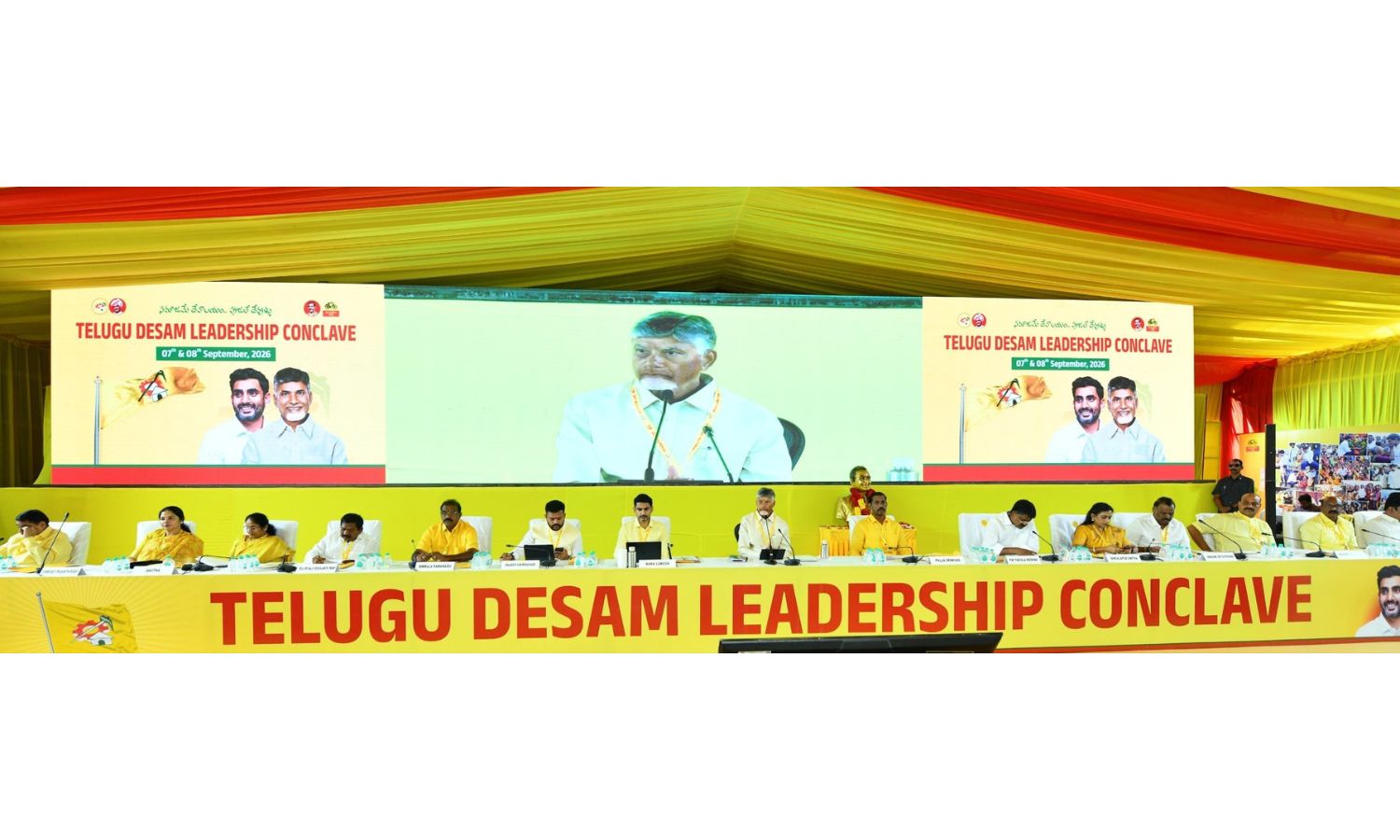
Naidu Urges Alliance Unity Ahead of Local Body Polls
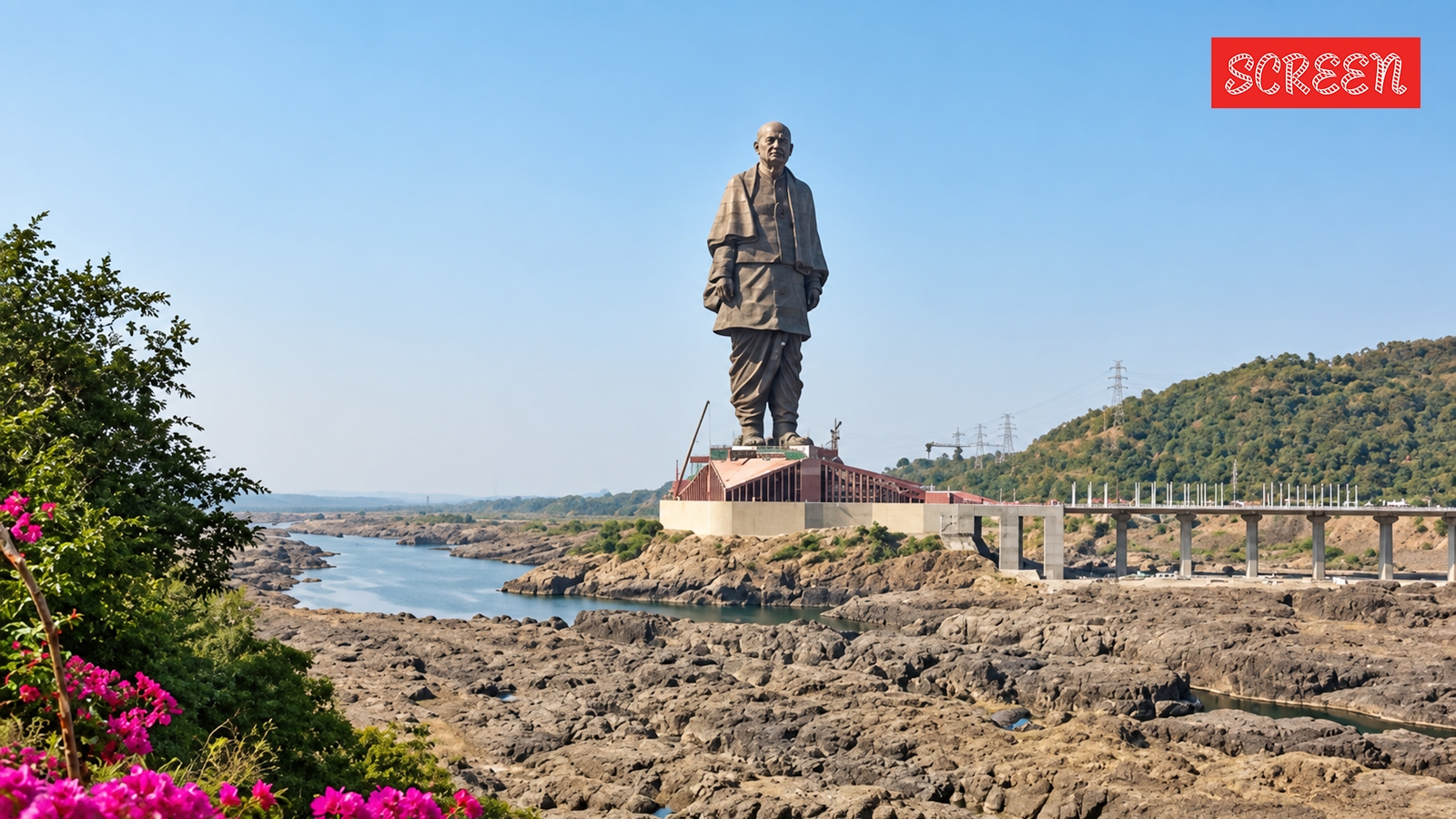
National Film Awards Move To Statue Of Unity For Ceremony
Eleven-Handed Durga Advertisement Sparks Political Row in West Bengal
Rahul Gandhi Slams Modi Over Fatal Delhi Building Collapse
