

Archive · 25 Jan 2026
UK Resident Doctors Strike Over Pay and Conditions
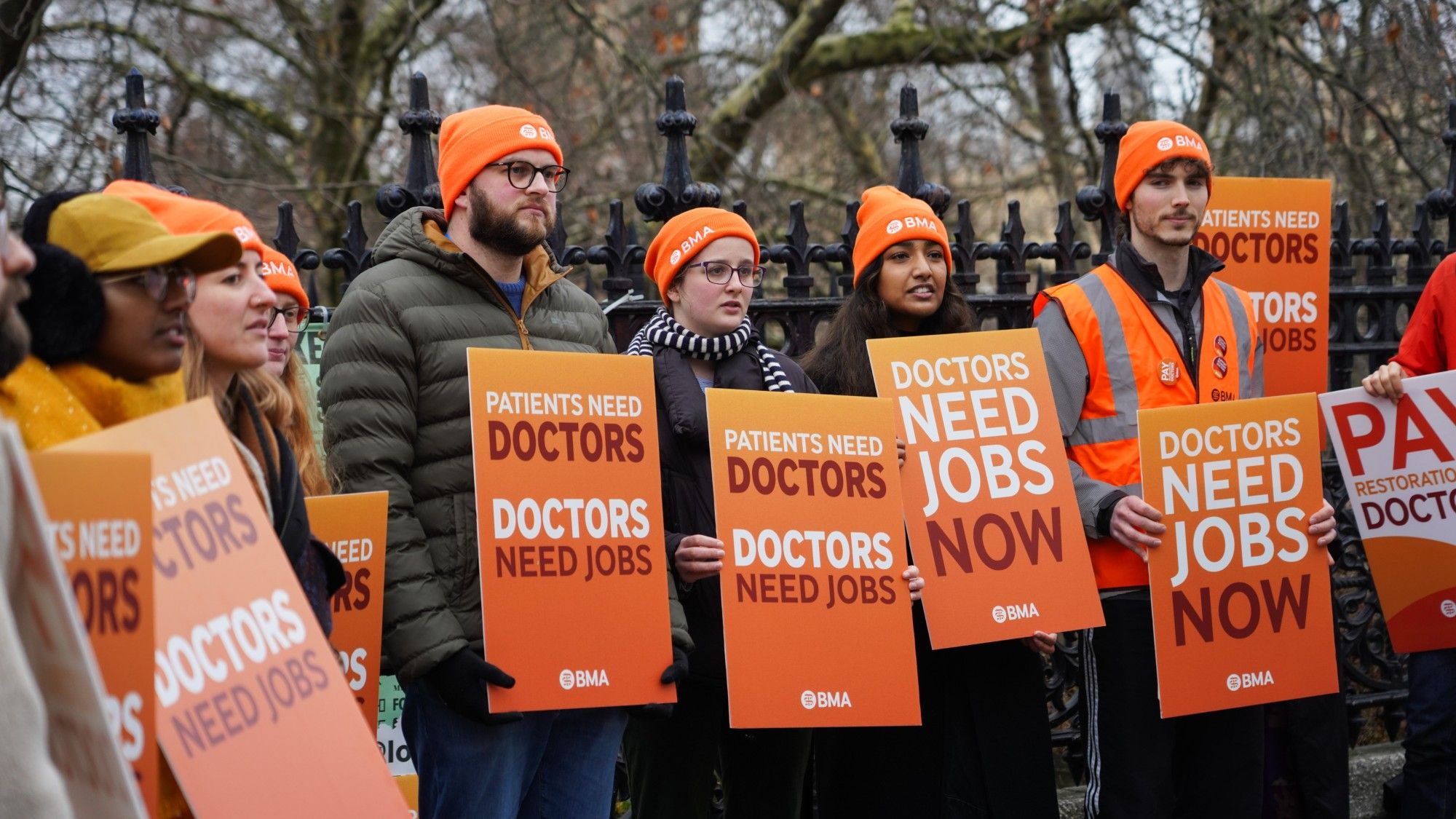
Resident doctors in the UK are on strike because they feel they are not being paid enough and their working conditions are bad.
They want their pay to be increased by 26% to make up for the money they have lost because of inflation.
The government has offered a smaller pay rise and some changes to training posts, but the doctors are not happy with this.
The strike has caused many appointments to be canceled and has cost the NHS a lot of money.
The doctors and the government are still arguing, and it is not clear when the strike will end.

Resident doctors in the UK are striking over pay and working conditions, demanding a 26% pay increase to compensate for inflation since 2008/09.
The government has offered a 5.4% pay rise for 2025/26 and emergency legislation to prioritize UK graduates for training posts.
The BMA highlights excessive workload, staffing shortages, stress, burnout, and poor access to basic facilities as key issues.
Strikes have led to over 1.7 million appointments being rescheduled and a financial cost exceeding £1.7 billion.
The latest ballot showed 83% of doctors voting to continue striking, with public support for the strikes falling to around 30% by December.
- Who
- Resident doctors in the UK, represented by the British Medical Association (BMA)
- What
- Strike over pay and working conditions
- When
- Ongoing since March 2023, with the latest ballot results to be revealed on 2 February
- Where
- Across the UK's National Health Service (NHS)
- Why
- Dispute over pay restoration, training posts, and working conditions
Doctors' Union (BMA)
Government (Health Secretary Wes Streeting)
Pay Restoration
Doctors' Union (BMA)
Demands full pay restoration, arguing for a 26% increase over the next few years to compensate for inflation since 2008/09.
Government (Health Secretary Wes Streeting)
Offers a 5.4% pay rise for 2025/26, deeming full pay restoration unrealistic given NHS and public finance struggles.
Training Posts
Doctors' Union (BMA)
Demands prioritization of UK medical graduates for training posts and rapid expansion of training posts.
Government (Health Secretary Wes Streeting)
Offers emergency legislation to prioritize UK graduates and expansion of training posts, but no further concessions on pay.
Working Conditions
Doctors' Union (BMA)
Highlights excessive workload, staffing shortages, stress, burnout, and poor access to basic facilities.
Government (Health Secretary Wes Streeting)
Acknowledges issues and is open to negotiation on working conditions but not on pay.
- Average Pay for Resident Doctors
- £54,000 (ranging from £38,830 to £74,000)
- Pay Increase Since 2023
- 28.9% total increase, including an 8.8% rise by the last government and three rises by Labour
- Number of Resident Doctors
- 79,000 across the NHS, making up about half of doctors in secondary care
- Strikes Since 2022
- 14 strikes, with the most recent ballot showing 83% of doctors voting to continue striking
- Impact of Strikes
- Over 1.7 million appointments rescheduled, with a financial cost exceeding £1.7 billion
- Public Support for Strikes
- Fell from a majority in 2024 to around 30% by December