

Archive · 1 Dec 2025
COP 30 Ends with Mixed Climate Progress
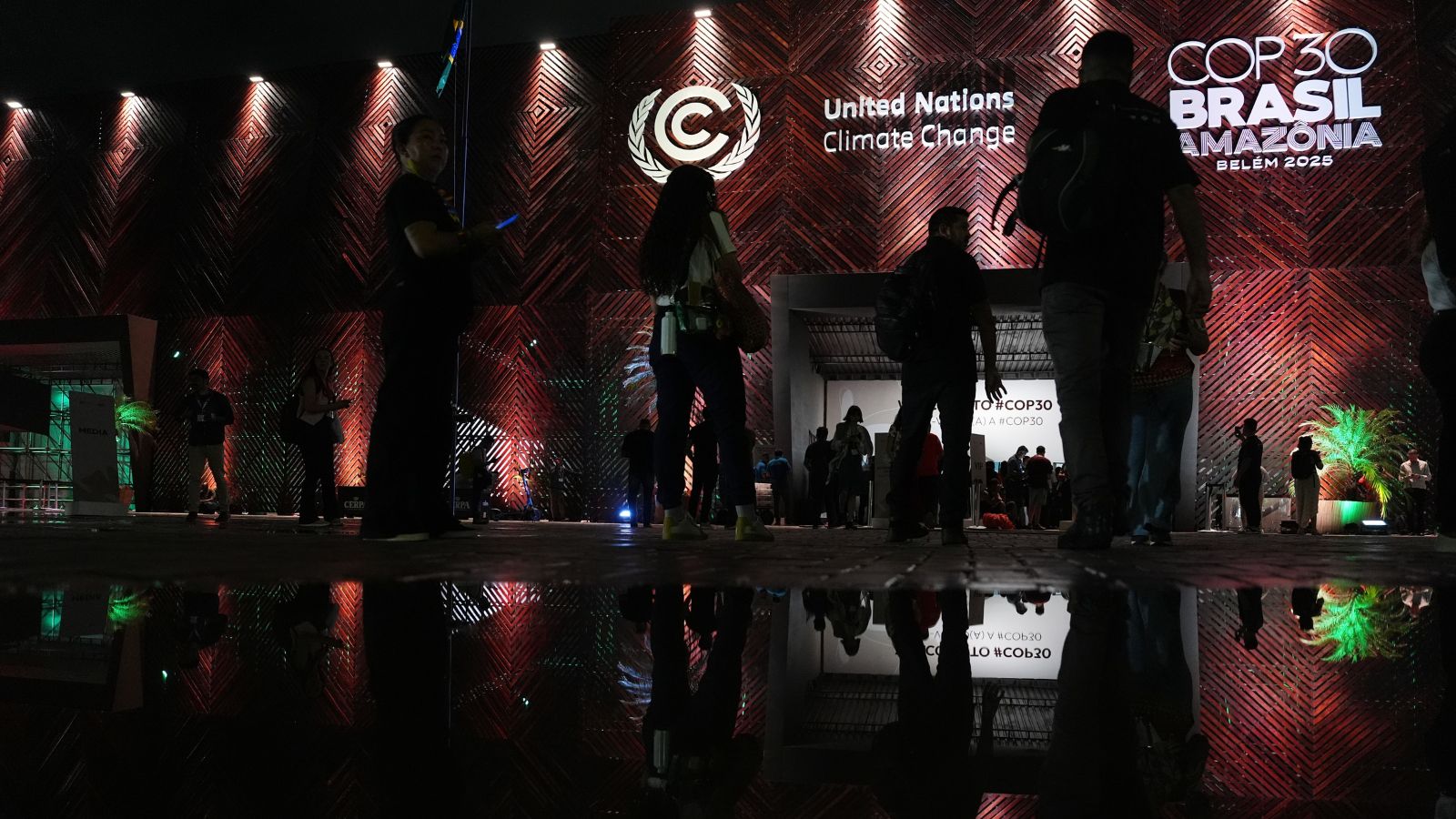
COP 30, the climate summit held in the Amazon rainforest, ended with a mix of achievements and disappointments.
Wealthier countries promised to triple funding for helping vulnerable nations adapt to climate change by 2035.
However, there was no strong agreement to stop using fossil fuels.
A new health plan was launched to protect people from climate impacts, and India showed leadership in climate efforts.
Indigenous groups protested, saying more needs to be done to reduce emissions.
The summit showed that countries in the Global South, like Brazil, India, and Indonesia, are taking a bigger role in leading climate actions.
They are focusing on renewable energy, protecting forests, and creating their own climate solutions.
The next steps will test if these new ideas can really help reduce global warming.

COP 30 concluded in Belém, Brazil, with mixed achievements and unmet expectations.
Wealthier nations committed to tripling adaptation finance by 2035, but no strong fossil fuel phaseout agreement was reached.
The Belém Health Action Plan, backed by the WHO, was launched with $300 million in funding.
India emerged as a key voice in the Global South, with commitments to renewable energy and climate resilience.
Indigenous groups protested the lack of concrete action on fossil fuel reduction and climate justice.
- Who
- Global leaders, Indigenous groups, and climate activists
- What
- COP 30 climate summit
- When
- Ended on Nov 21, 2025
- Where
- Belém, Brazil
- Why
- To address climate change and its impacts
- Event
- COP 30
- Location
- Belém, Brazil
- Date
- Ended on Nov 21, 2025
- Adaptation Finance Commitment
- Tripling by 2035
- India's Renewable Energy Target
- 500 GW by 2030
- Andaman Sea-Level Rise Projection
- 60-110 cm by 2100
- Global Implementation Accelerator
- Two-year program to bridge NDC gap

