Archive · 10 Nov 2025
Canada Tightens Borders, Slashes Visas Amid Concerns Over Immigration Control
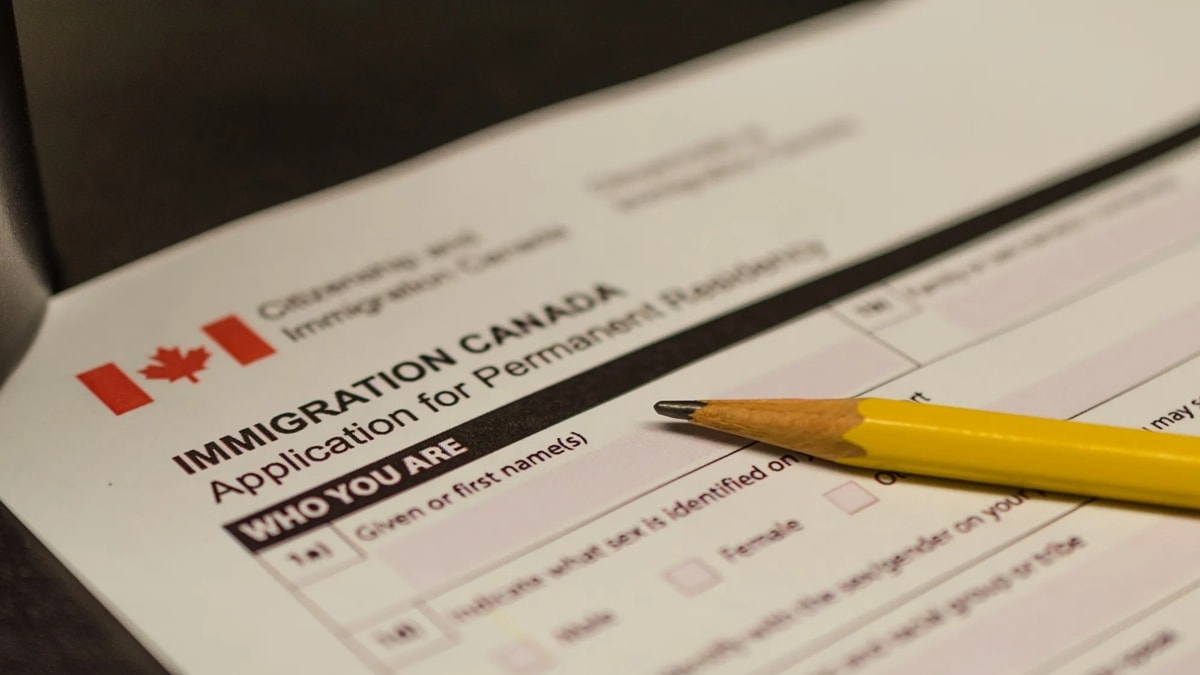
Canada used to be very open to people coming to study or work, like a welcoming place after the 'American Dream' faded.
But now, Canada is making new rules to control immigration more tightly.
They have a new bill, called Bill C12, that gives officials more power to cancel visas for whole groups of people if needed, especially to stop fake applications.
They are also planning to let fewer temporary residents, including students, into the country.
For example, they used to accept many students from India, but now they are rejecting more and the total number of Indian students in Canada has decreased significantly.
While they want to stop fraud and manage the number of people coming, some universities worry about losing money from international students.
However, Canada is still trying to attract skilled tech workers from places like the US.

Canada is implementing significant immigration control measures, including proposed legislation (Bill C12) granting broad powers to cancel visas.
The government plans to reduce temporary resident admissions by over 40%, from 675,000 in 2025 to 385,000 next year.
International student admissions will be substantially cut, with targets reduced from over 300,000 annually to 155,000 in 2026 and 150,000 thereafter.
Rejection rates for Indian study permit applicants have surged to nearly 75% in August, compared to 32% a year prior.
The number of active study permits held by Indian nationals has seen its steepest annual decline in over a decade, falling from 319,000 in 2023 to 226,000 in 2024.
- Who
- The Canadian federal government
- What
- Introducing new border legislation (Bill C12) to grant broad powers to cancel temporary visas and significantly reducing the number of temporary resident admissions, including international students.
- When
- Announced in relation to the federal budget, with reports from November 10, 2025.
- Where
- Canada
- Why
- To address concerns about visa fraud, manage temporary resident numbers, respond to waning public support for immigration, and tackle issues like housing affordability and strained public services.
Government Rationale
Criticisms and Concerns
Immigration Control and Fraud Prevention
Government Rationale
The government is implementing new legislation (Bill C12) and reducing temporary resident admissions to gain broad powers to suspend or cancel visas, address country-specific visa fraud, and manage overall immigration numbers due to waning public support and issues like housing affordability and strained public services.
Criticisms and Concerns
The drastic reduction in visas, particularly for international students from India, and the increased rejection rates suggest a move away from Canada's historically open-door policy. This tightening may negatively impact educational institutions reliant on international tuition and create uncertainty for prospective immigrants.
Impact on International Students
Government Rationale
The reduction in student permits is a deliberate policy shift to manage overall temporary resident numbers, despite the significant cuts affecting international students.
Criticisms and Concerns
The steep decline in study permits for Indian nationals, with a sharp rise in rejection rates, indicates a potential bias or disproportionate impact on specific applicant groups, even as the government aims to attract global tech talent through streamlined pathways.
- Bill Introduced
- Bill C12
- Proposed Temporary Resident Cap (Next Year)
- 385,000
- Previous Temporary Resident Admissions (2025)
- 675,000
- International Student Target (2026)
- 155,000
- International Student Target (2027-2028)
- 150,000
- Study Permit Rejection Rate (Indian Applicants, August)
- Nearly 75%
- Study Permit Rejection Rate (Indian Applicants, Year Prior)
- 32%
- Active Study Permits (Indian Nationals, 2023)
- 319,000
- Active Study Permits (Indian Nationals, 2024)
- 226,000