

Archive · 25 Jul 2026
Monsoon Season and Blood Pressure Risks
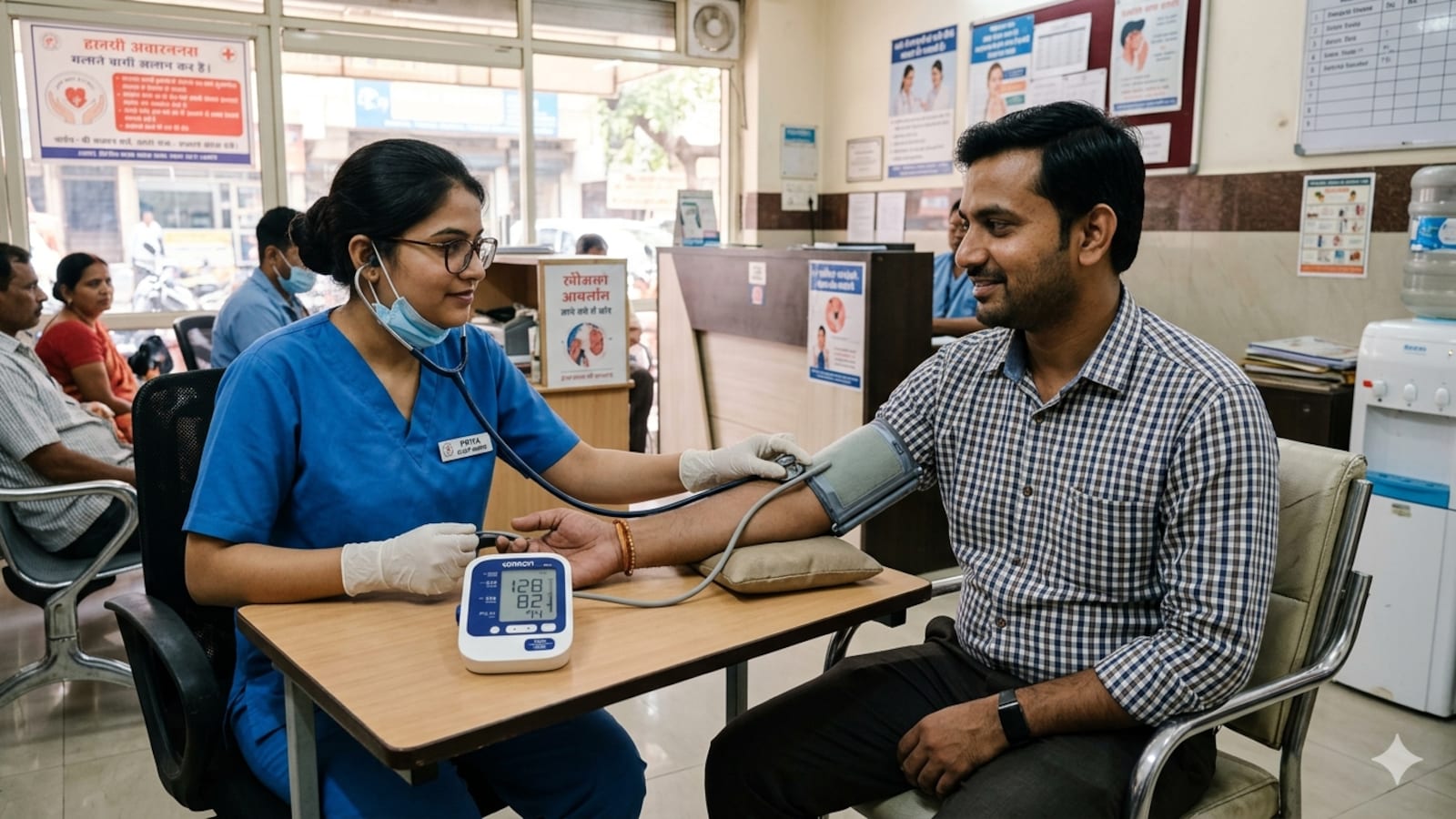
During the monsoon season, changes in weather and lifestyle can affect people with high blood pressure.
The cooler temperatures and high humidity can cause blood vessels to constrict or make it hard to regulate body temperature, leading to changes in blood pressure.
Eating more salty and fried foods, being less active, and getting infections like fever or diarrhea can also impact blood pressure.
People with high blood pressure, diabetes, heart disease, or kidney problems need to be extra careful.
They should take their medicine regularly, drink enough water, eat healthy foods, exercise, and watch for warning signs like headaches or dizziness.
By following these precautions, they can stay healthy during the rainy season.

Monsoon season can cause fluctuations in blood pressure due to changes in humidity, lifestyle, and temperature.
High-risk groups include patients with hypertension, seniors, diabetics, and those with chronic renal failure or heart disease.
Warning signs of blood pressure issues include severe headaches, dizziness, blurry vision, chest pain, and difficulty breathing.
Precautions include taking prescribed medication, staying hydrated, eating a balanced diet, exercising, and practicing good hygiene.
Consulting a doctor is advised for those experiencing long-lasting symptoms or changes in blood pressure readings.
- Who
- Patients with hypertension, seniors, diabetics, chronic renal failure patients, heart disease survivors, pregnant women with high blood pressure
- What
- The impact of monsoon season on blood pressure and necessary precautions
- When
- During the monsoon season
- Where
- Areas experiencing monsoon weather
- Why
- Changes in humidity, lifestyle, and temperature can lead to fluctuations in blood pressure
Health Precautions
Seasonal Changes
Impact of Monsoon on Blood Pressure
Health Precautions
Patients with hypertension need to be extra careful during the monsoon season due to changes in humidity, lifestyle, and temperature.
Seasonal Changes
The monsoon season itself does not cause high blood pressure, but the associated changes can lead to dangerous conditions for those already suffering from the disease.
Diet and Activity
Health Precautions
Patients should limit salt intake and avoid fried, processed foods to manage blood pressure.
Seasonal Changes
The rainy season often leads to increased consumption of salty and processed foods, which can contribute to high blood pressure.
Physical Activity
Health Precautions
Regular exercise, even indoors, is crucial to maintain blood pressure levels.
Seasonal Changes
Prolonged rain and high humidity can lead to decreased physical activity, which can cause blood pressure to fluctuate.
- Season
- Monsoon
- Primary Health Concern
- Hypertension
- Key Risk Factors
- Humidity, lifestyle changes, infections
- High-Risk Groups
- Hypertension patients, seniors, diabetics, chronic renal failure patients, heart disease survivors, pregnant women with high blood pressure
- Warning Signs
- Severe headaches, dizziness, blurry vision, chest pain, difficulty breathing, heart palpitations, swollen legs, confusion, weakness
- Precautions
- Regular medication, hydration, balanced diet, exercise, hygiene, stress management