5 hrs ago
Kerala IAS Shortage Drives Frequent Senior Officer Transfers

Kerala is changing senior government officers often because it does not have enough officers available.
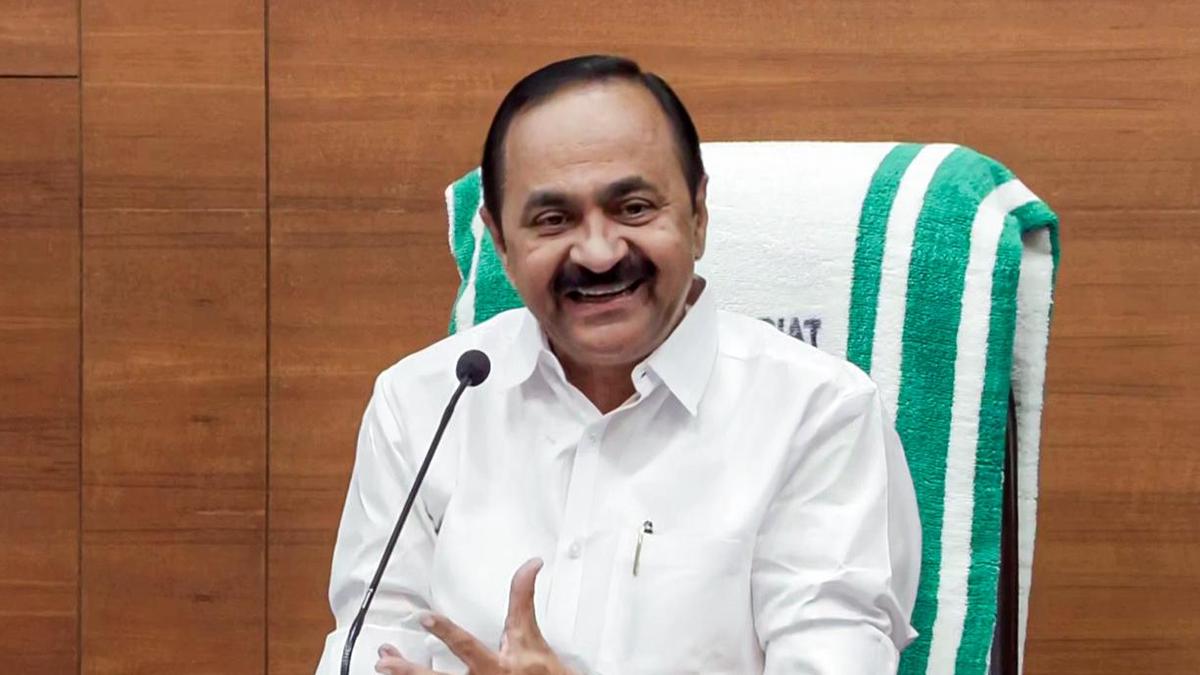
Chief Minister V D Satheesan said some officers leave for required training in Delhi.
He said some do not return after finishing their training and promotions.
This leaves fewer officers to manage the government’s departments.
The officers who remain may have to run more than one department.
The government rearranges their assignments when several officers leave.
Education Minister N Samsudheen said frequent changes could make the Education Department work less smoothly.
Satheesan said the transfers are meant to share the workload among the available officers.

Chief Minister V D Satheesan attributed frequent senior IAS transfers to a shortage of available officers.
Several IAS officers are reportedly sent to Delhi for compulsory training linked to promotions.
Some officers do not return after completing the training and promotion process, Satheesan said.
Remaining officers are handling multiple departments as the government redistributes workloads.
General Education Minister N Samsudheen warned that repeated education-department transfers could disrupt its functioning.
- Who
- Chief Minister V D Satheesan, General Education Minister N Samsudheen, and senior IAS officers.
- What
- The government is frequently transferring senior IAS officers because of an officer shortage and redistributed workloads.
- Where
- Keralam, with some officers sent to Delhi for compulsory training.
- When
- The remarks were reported on September 16, after recent transfers and comments made on Monday.
- Why
- Satheesan said officers leaving for training and not returning after promotion are creating pressure on the remaining administrative staff.
Concern Over Disruption
Administrative Workload Explanation
Impact of frequent transfers
Concern Over Disruption
General Education Minister N Samsudheen said repeated changes at the top of the Education Department could affect its smooth functioning.
Administrative Workload Explanation
Chief Minister V D Satheesan said the transfers are part of a broader effort to manage departments after officers leave.
Reason for reshuffling
Concern Over Disruption
The frequent changes may appear disruptive to departmental continuity.
Administrative Workload Explanation
Satheesan said the government must redistribute work when two or three officers leave, because departments cannot be left unattended.
Key facts
- Main issue
- A shortage of available IAS officers and increasing workloads.
- Training location
- Delhi.
- Training purpose
- Compulsory training connected to promotions.
- Effect on remaining officers
- Some are handling more than one department.
- Government response
- Redistributing workloads and rearranging officer deployments.
- Education Department concern
- Minister N Samsudheen said repeated top-level transfers could affect smooth functioning.
Quotes
V D Satheesan
Chief Minister of Kerala
“Many of them do not return after completion of that training period and promotion. Therefore, we are under severe pressure as many IAS officers are overloaded with work. They are handling more than one department.”
 theprint.in
“When two or three officials leave, the entire deployment of other IAS officers in the government has to be rearranged to properly distribute the workload.”
theprint.in
Sources
Related news

Bhopal Power Corridors See Transfers, Turf Battles And Publicity
MP IAS Officer Challenges Fourth Transfer Within One Year

Madhya Pradesh Weighs IAS Transfers Over Farmer, Oustee Issues
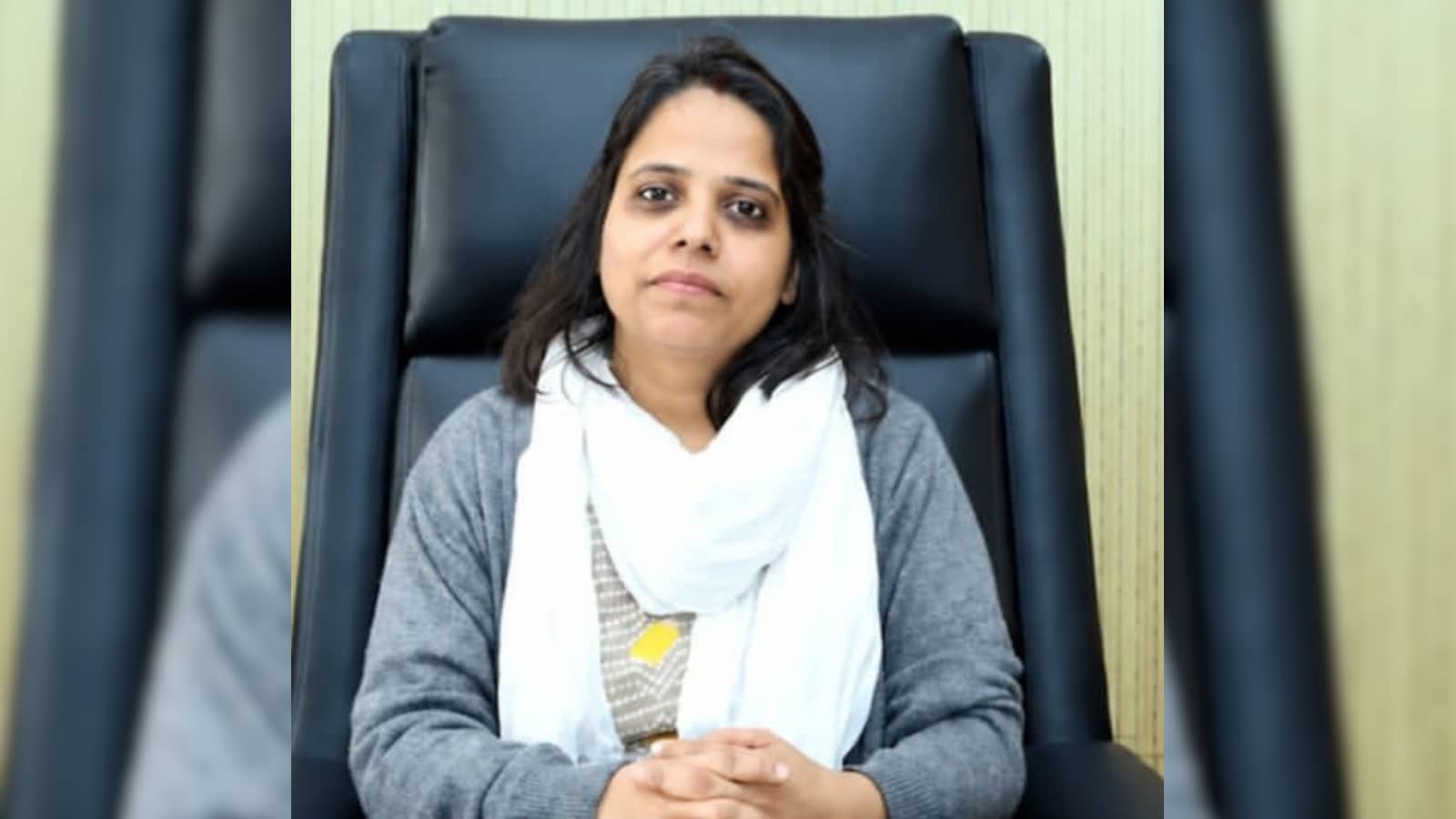
IAS Officer Faces Fourth Transfer in One Year, Alleges Mutiny

Rajasthan Shifts 26 IAS, 53 RAS Officers Before Civic Polls
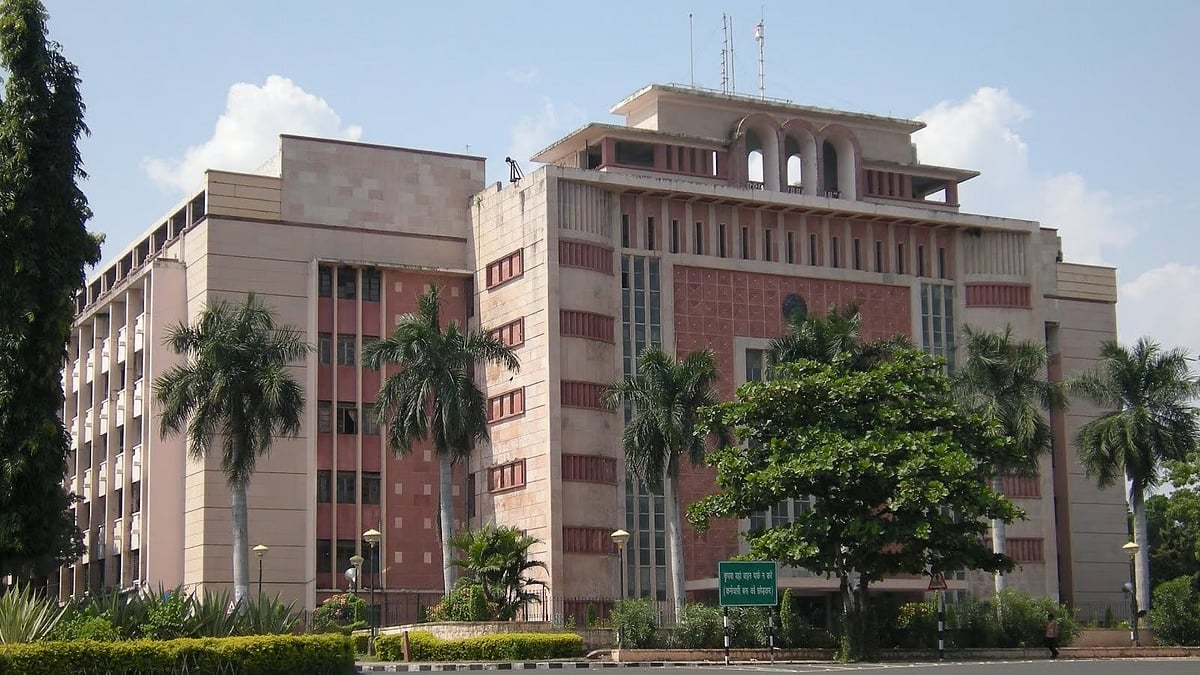
Bhopal Bureaucracy Faces Transfers, Disputes and Mounting Administrative Pressure
Satheesan Proposes Moving Thiruvananthapuram Zoo to Forest Area
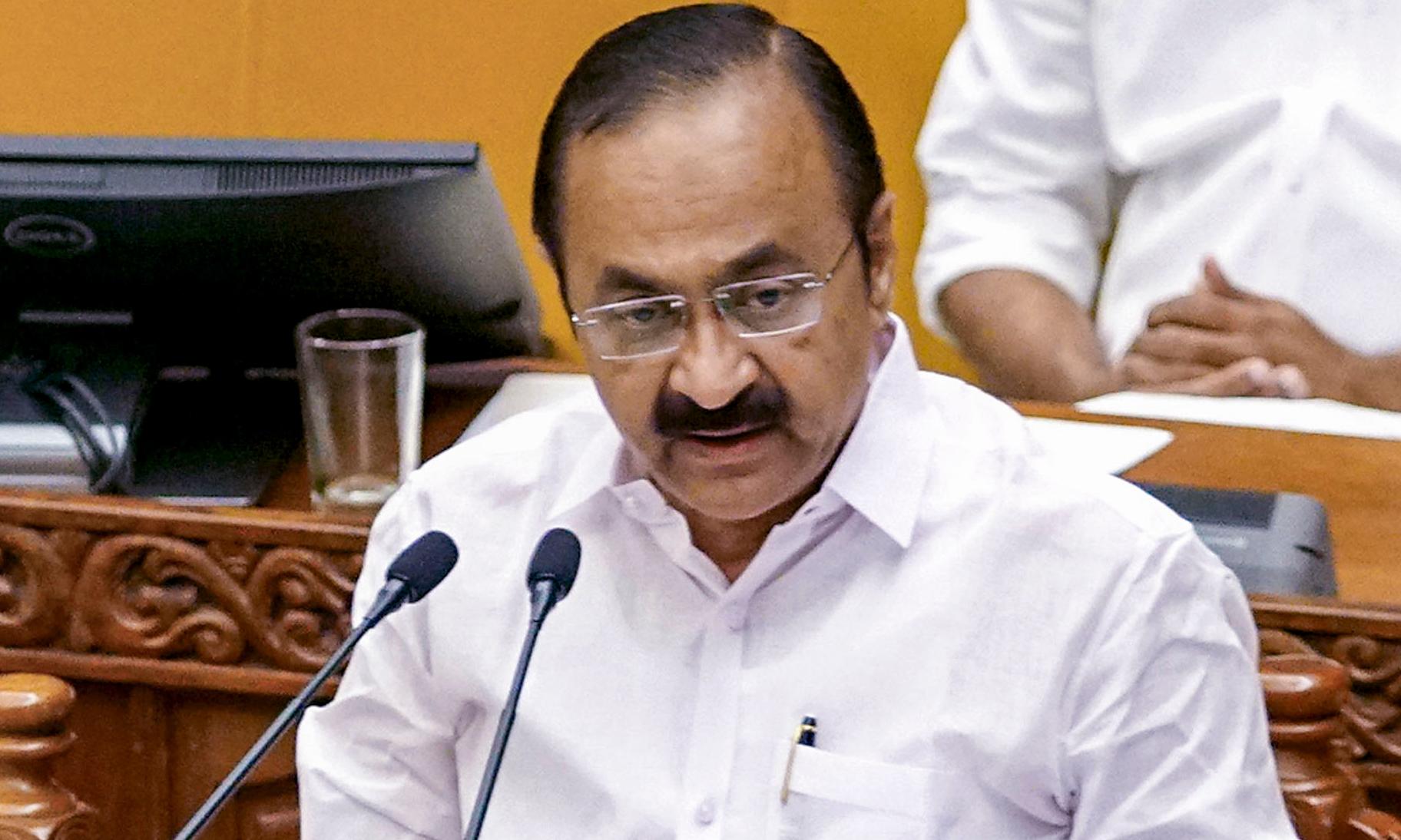
Satheesan Warns PSC Chairman Over Examination Investigation Cooperation

Kerala Police Raid Reporter TV Over Alleged Messi Match Fraud
Kerala Police Search Reporter TV in Messi Event Probe