

Archive · 4 Nov 2025
4 Research-Backed Ways To Beat The Winter Blues
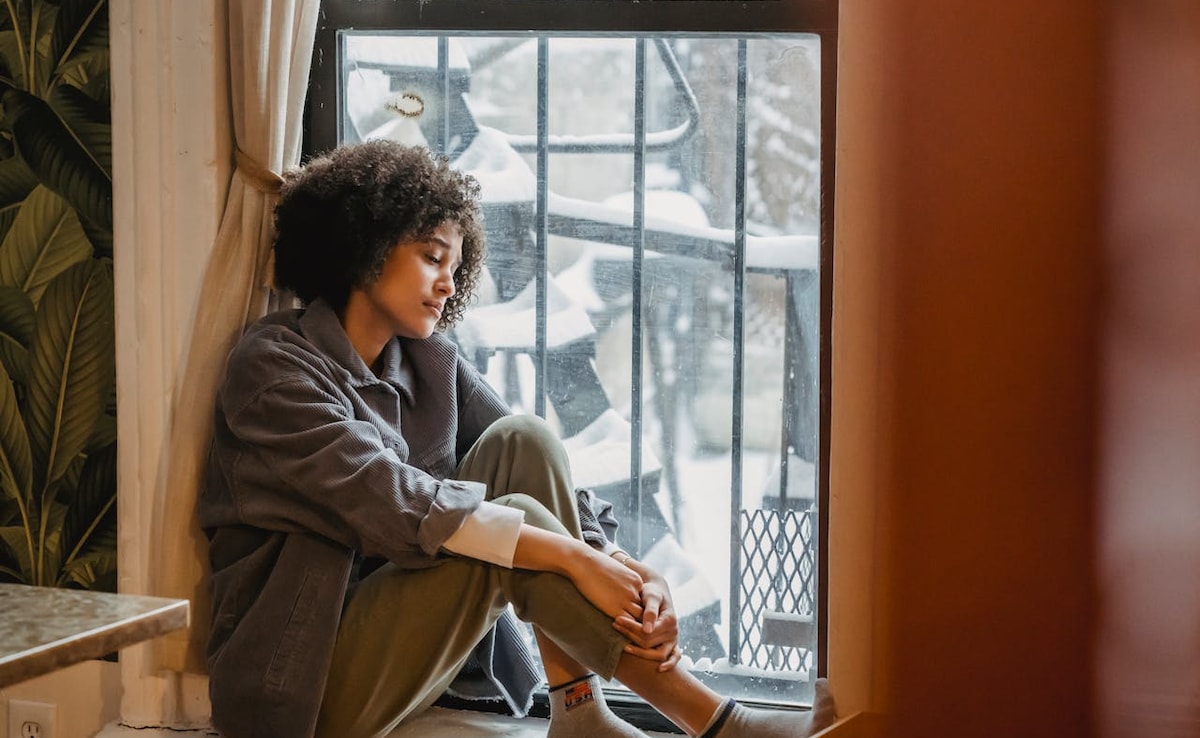
When it gets colder and darker outside, some people feel sad or tired, like they have the 'winter blues.'
This is because less sunlight can change how our brain works, making us feel sleepy and less happy.
But there are ways to feel better!
First, make a plan for your day, like having coffee with a friend or doing a task with someone else, which helps you stay motivated.
Second, try to go outside for a little bit every day, even if it's cold, because natural light helps your mood.
If you feel very down, a doctor might suggest special light therapy.
Third, find things you love to do that make you forget everything else, like playing a game or drawing, and share happy moments with others.
Finally, take time to be quiet and calm, maybe by taking deep breaths or just enjoying your tea, which helps you relax and think less about sad things.
Doing these things can help you enjoy winter instead of just waiting for spring.

The 'winter blues' and Seasonal Affective Disorder (SAD) are common during shorter, colder months due to reduced natural light.
Establishing intentional routines and engaging in 'body doubling' can help boost motivation and provide structure.
Spending at least 10 minutes outdoors daily, even in the cold, helps regulate mood and circadian rhythms; bright light therapy is an effective treatment for SAD.
Cultivating moments of joy through activities that induce 'flow' and practicing shared happiness can counter isolation and improve well-being.
Mindfulness and meditation practices, even for 10 minutes a day, can reduce stress, improve emotional regulation, and decrease negative thoughts.
- Who
- Individuals experiencing the 'winter blues' or Seasonal Affective Disorder (SAD), and those looking to improve their mood during colder months.
- What
- Four research-backed strategies to combat the negative effects of shorter days and colder weather, including establishing routines, spending time outdoors, cultivating joy through engaging activities, and practicing mindfulness and stillness.
- When
- During the colder months, as daylight saving time ends and days shorten.
- Where
- Applies to individuals in colder climates, such as Canada, experiencing seasonal mood changes.
- Why
- To mitigate depressive symptoms, low energy, and disrupted routines associated with reduced natural light exposure, which can affect serotonin levels and circadian rhythms.
- Winter Blues Prevalence in Canada
- 15% of the population
- SAD Prevalence in Canada
- 2-6% of the population
- Potential Cause of SAD
- Reduced exposure to natural light
- Key Neurotransmitter Affected
- Serotonin
- Recommended Outdoor Time
- At least 10 minutes daily
- Effective SAD Treatment
- Bright light therapy
- Recommended Mindfulness Practice
- 10 minutes daily