

Archive · 26 Jul 2025
NISAR: NASA and ISRO Team Up for Earth Observation
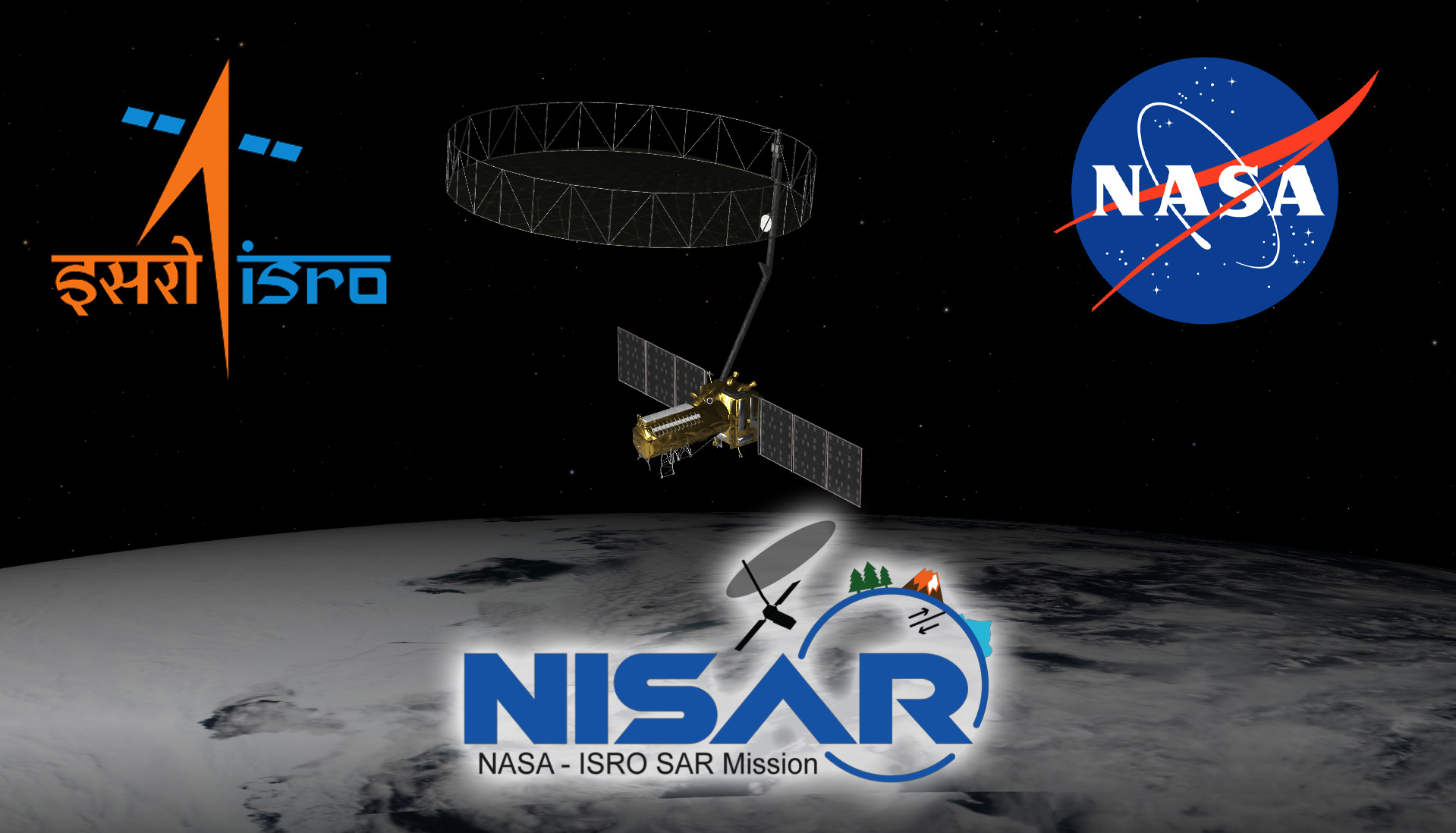
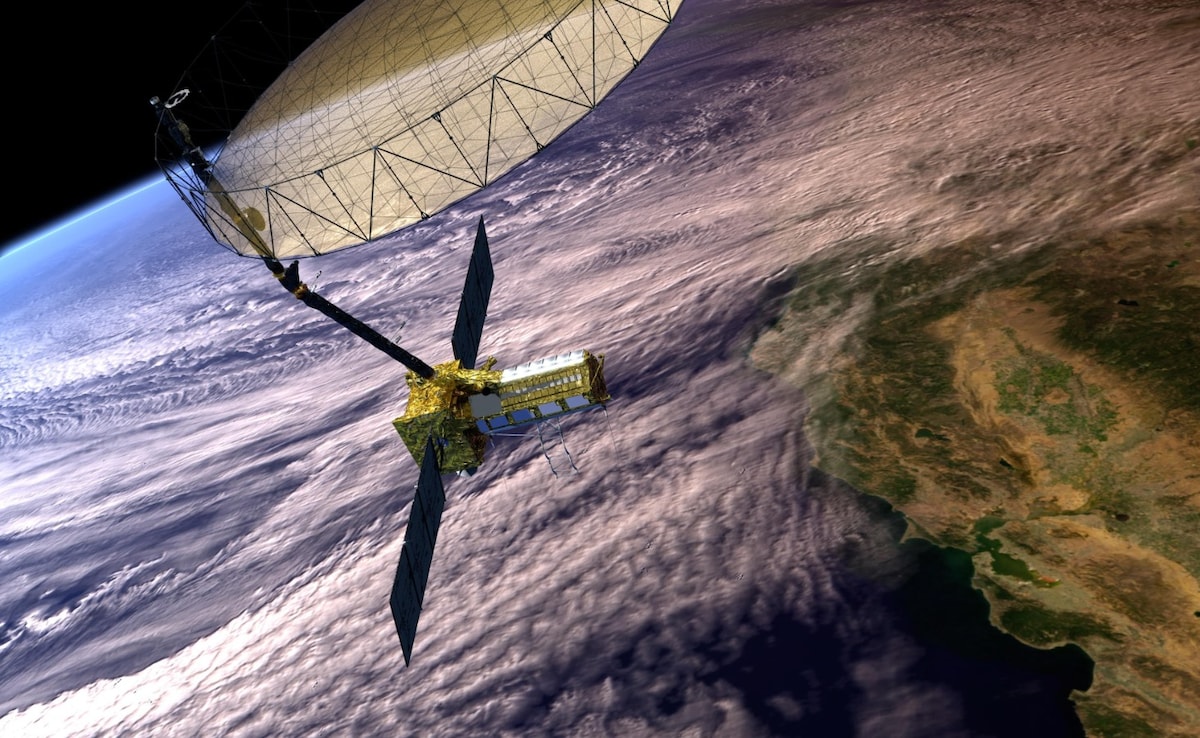
NISAR is a special satellite made by the US and India to watch Earth.
It uses radar to see through clouds and darkness, looking at things like shifting land and melting ice.
It will launch from India.
It’s a teamwork project showing how the two countries are working together to study Earth and help predict disasters.
It's like a super-powered eye in space, helping scientists keep track of our planet.

NISAR is a joint Earth observation satellite mission between NASA and ISRO.
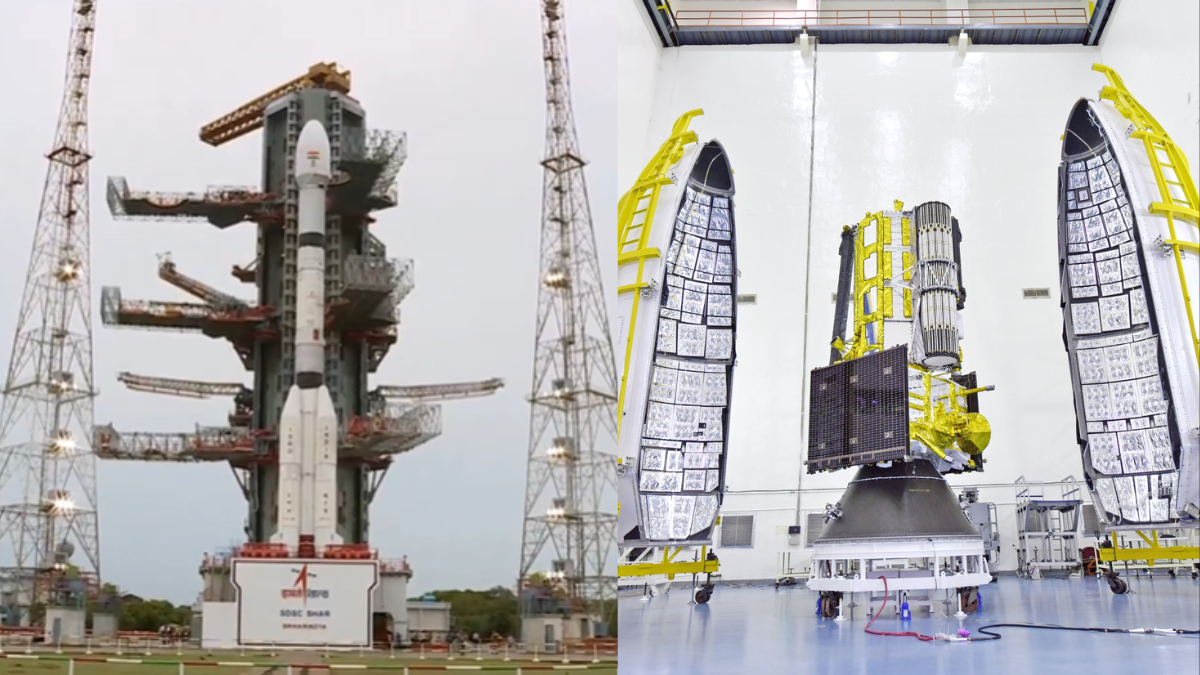
The satellite is scheduled to launch from Satish Dhawan Space Centre in Sriharikota.
NISAR will use dual-band radar technology to monitor changes on Earth's surface.
The mission is a result of technical cooperation between ISRO and NASA teams.
NISAR is the first dual-band radar satellite and the first ISRO-NASA Earth observing mission.
- Who
- A joint mission between NASA and ISRO.
- What
- The launch of the NISAR Earth observation satellite.
- When
- Scheduled for next week.
- Where
- Satish Dhawan Space Centre, Sriharikota, India.
- Why
- To monitor Earth's surface changes.
Technological Collaboration
Global Teamwork
Partnership Focus
Technological Collaboration
ISRO highlights the strong technical cooperation between the ISRO and NASA/JPL technical teams.
Global Teamwork
NASA and ISRO have built Earth science hardware together for the first time.
- Mission Name
- NISAR (NASA-ISRO Synthetic Aperture Radar)
- Launch Site
- Satish Dhawan Space Centre, Sriharikota, India
- Radar Bands
- L-band (NASA), S-band (ISRO)
- Partners
- NASA and ISRO
- Orbit
- 743 km Sun-synchronous orbit
- Weight
- 2,392 kg
Sources
NISAR, the first joint satellite mission of NASA and ISRO, to be launhed soon
Indo-US NISAR Launch Set for July 30 From Sriharikota

ISRO-NASA's NISAR mission to launch on July 30: 5 key things about ‘most advanced’, ‘most expensive’ satellite

NISAR satellite mission outcome of international collaboration and technology: ISRO
Earth Imaging Satellite NISAR Exposes NASA's Weaknesses, ISRO's Strengths
