

2 days ago
India Sees Scope to Expand Global Value Chains Through FTAs
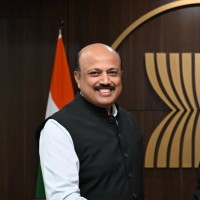
India’s commerce secretary said the country can become more involved in making and supplying goods around the world.
He said India’s participation in these global supply chains has grown over the past decade.
A new government cell will help businesses understand how to use India’s free trade agreements.
It will also work with export groups on plans for different markets.
India has trade agreements with several countries and groups, including EFTA, the European Union and the UK.
The secretary said these arrangements can make tariffs more predictable for businesses.
That predictability may help companies decide where to invest and how to build supply chains.
He also said some agricultural products can benefit from lower tariffs or preferential access in large markets.

Commerce Secretary Rajesh Agarwal said India has significant scope to grow its participation in global value chains.
He said India’s participation had risen to about 37–38%, from 28–29% a decade earlier, according to cited data sources.
A FTA utilisation cell will explain agreement opportunities to businesses and work with export promotion councils on market-specific action plans.
Agarwal said India’s agreements with EFTA, the European Union and the UK cover 32 countries in the region, with most trade expected to have zero tariffs.
He said predictable tariffs can help businesses plan investment and supply chains, while preferential access offers opportunities for Indian agricultural exports.
- Who
- Commerce Secretary Rajesh Agarwal.
- What
- He described opportunities for India to expand its global value-chain participation through free trade agreements and outlined the work of a FTA utilisation cell.
- Where
- At the India-EFTA TEPA Summit; the article does not specify a location.
- When
- Wednesday, at the India-EFTA TEPA Summit 2026.
- Why
- To raise awareness of FTA opportunities, improve their use by Indian businesses, and support investment, domestic value addition and job creation.
Key facts
- Global value-chain participation
- About 37–38%, compared with 28–29% a decade earlier, according to data sources cited by Agarwal.
- FTA utilisation cell
- Set up by the Department of Commerce to explain agreement opportunities and improve use of FTAs.
- Market action plans
- The cell will work with export promotion councils on plans for each partner market over the next 4–5 years.
- Regional trade arrangements
- Agarwal said agreements with EFTA, the European Union and the UK cover 32 countries in the region.
- EFTA agreement
- The India-EFTA Trade and Economic Partnership Agreement was implemented in October of the preceding year, according to the article.
- Agricultural market opportunity
- Agarwal said the markets import agricultural goods worth over $1 trillion and that some Indian products have zero tariffs or preferential access.
Quotes
Rajesh Agarwal
India’s commerce secretary
“The big ticket item in trade agreements is tariff predictability because for businesses. Now you know that for perpetuity or for the entire near future that you can see, the tariffs are going to remain stable and they are not going to throw any surprises in between. So you can take investment risks, you can build supply chains based on that and you can plan your future business growth based on that. That is the strength of this agreement.”
 deccanchronicle.com
“The EFTA pact should not be seen in isolation as India has finalised a trade pact with the 27-nation EU and the UK. So all together, we have got 32 countries in the region with which India will have a free trade arrangement wherein we will have the majority of our trade at zero tariffs. We have opened up our markets for them and they have opened up their markets for us”
deccanchronicle.com
Sources
Related news
India’s FTA Exports Surge as Trade Data Shows Broader Growth
India’s exports accelerate as free trade agreements expand market access

Piyush Goyal Seeks Faster India–EAEU Free Trade Agreement Talks
India and Switzerland Deepen Trade and Investment Partnership
India-New Zealand FTA Sets October Trade, Investment and Mobility Terms
India-EU Trade Deal Nears Signing After 17 Years
India and Canada Begin Fifth Round of CEPA Talks
India’s August exports surge as tariffs ease and rupee weakens
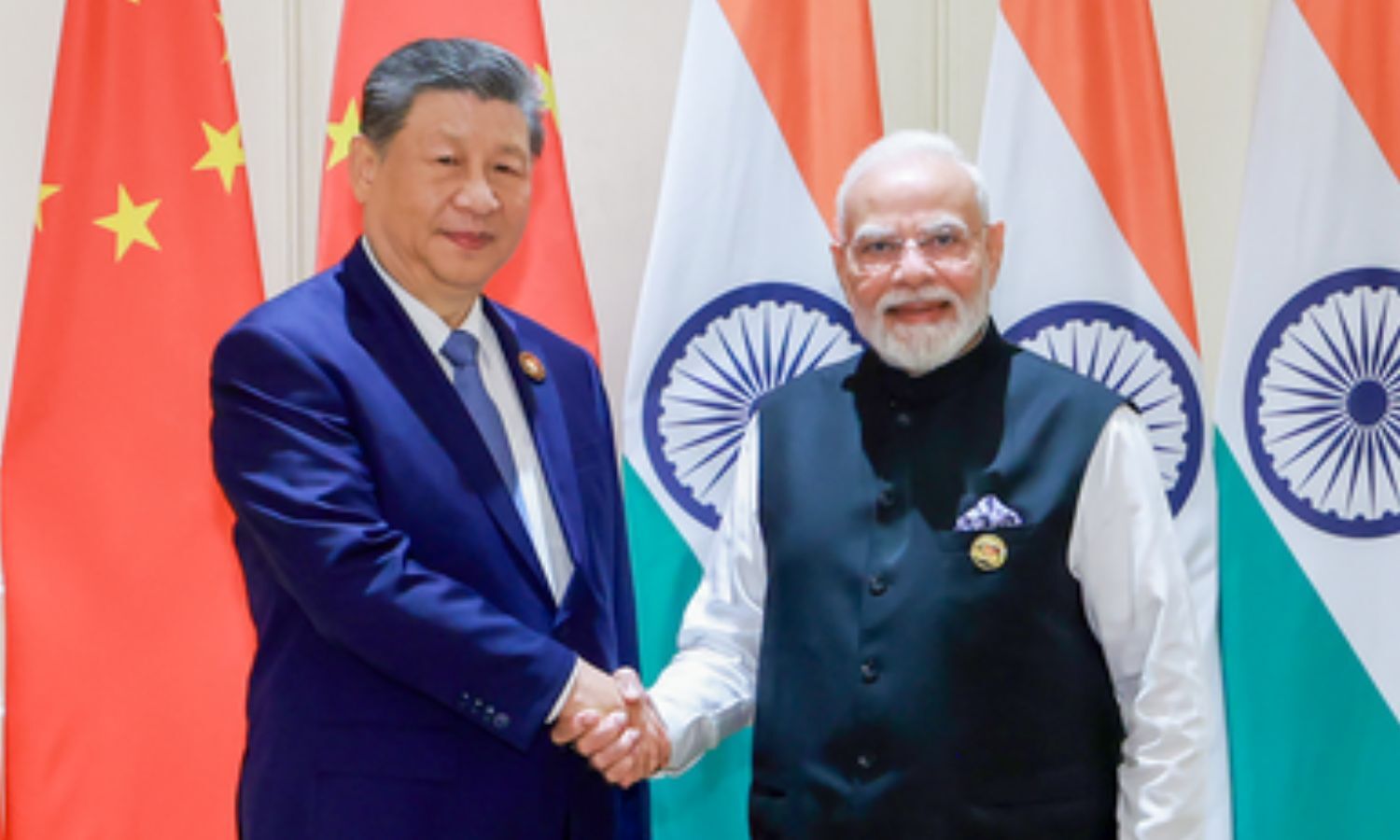
India and China Work to Address Trade Imbalance, Supply Chains
