

Archive · 30 Dec 2025
Social Jet Lag: Holiday Celebrations Disrupt Sleep Cycles
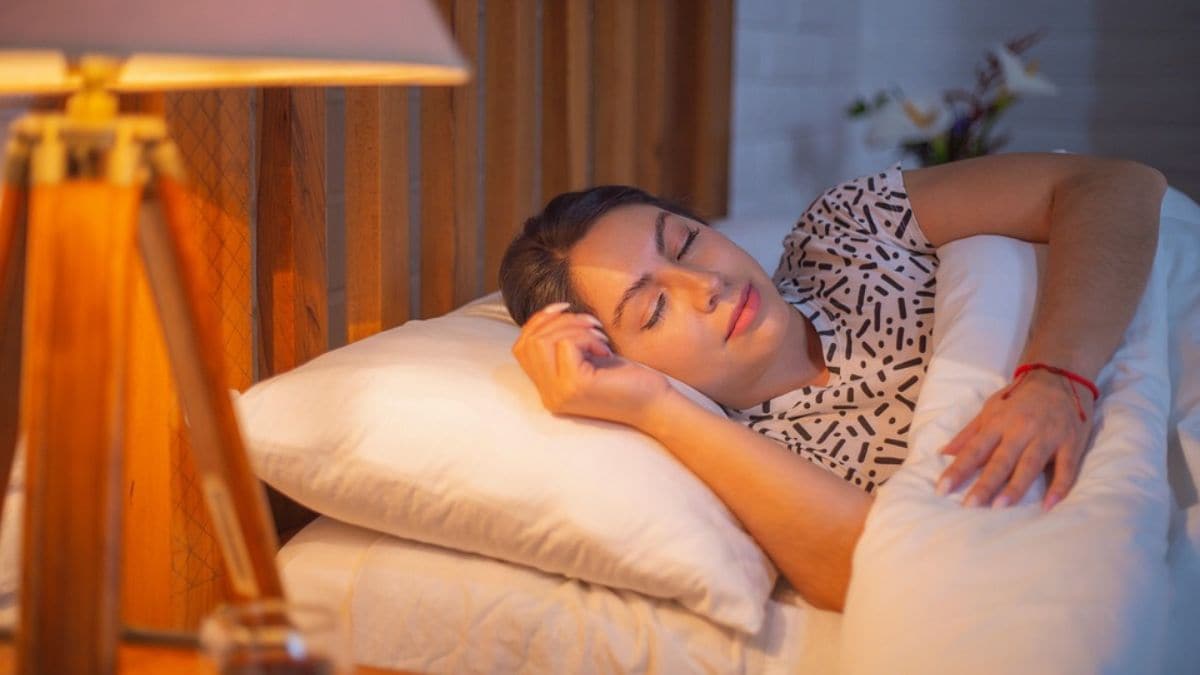
Social jet lag is like having jet lag but without traveling.
It happens when you stay up late, party, or travel a lot during the holidays.
This messes up your body's internal clock, which tells you when to sleep and wake up.
Experts say it can make you feel tired, gain weight, and even get sick.
To avoid it, try to go to bed and wake up at the same time every day, eat meals on time, and don't drink too much alcohol.
Even a few nights of bad sleep can confuse your body clock, so it's important to stick to a routine.

Social jet lag occurs when social activities disrupt the body's circadian rhythm, leading to fatigue and health issues.
It is exacerbated during the holiday season due to late nights, parties, travel, and consumption of alcohol and heavy meals.
Prolonged social jet lag is linked to obesity, insulin resistance, cardiovascular disease, and depression.
Vulnerable groups include young adults, teenagers, working professionals, shift workers, and frequent travelers.
Prevention tips include maintaining regular sleep and meal schedules, limiting alcohol, exercising daily, and exposing eyes to morning sunlight.
- Who
- People celebrating and entertaining during the holiday season, particularly young adults, teenagers, and working professionals.
- What
- Social jet lag, a disruption of the body's circadian rhythm due to irregular sleep schedules caused by social activities.
- When
- Most common during the holiday season but can occur at any time of the year.
- Where
- Anywhere individuals engage in late-night social activities, parties, or travel.
- Why
- Due to late nights, heavy meals, alcohol consumption, and other activities that delay sleep and disrupt the body's internal clock.
- Circadian Rhythm
- The body's 24-hour internal clock regulating sleep, hormones, digestion, and body temperature.
- Social Jet Lag
- Mismatch between the body's circadian rhythm and an individual's sleep schedule due to social activities.
- Impact on Health
- Linked to obesity, insulin resistance, cardiovascular disease, and depression.
- Vulnerable Groups
- Young adults, teenagers, working professionals, shift workers, and frequent travelers.
- Prevention Tips
- Maintain regular sleep and meal schedules, limit alcohol, exercise daily, and expose eyes to morning sunlight.