Archive · 13 Jun 2025
India-Pakistan Relations: Indus Water Treaty in Abeyance

India and Pakistan are in a water-related dispute.
India has paused an important water-sharing agreement with Pakistan after a terrorist attack.
This agreement, from 1960, decides how the countries share river water.
India, being upstream, controls the water flow.
India wants to change the agreement because it feels it's not fair anymore and Pakistan has not responded yet.
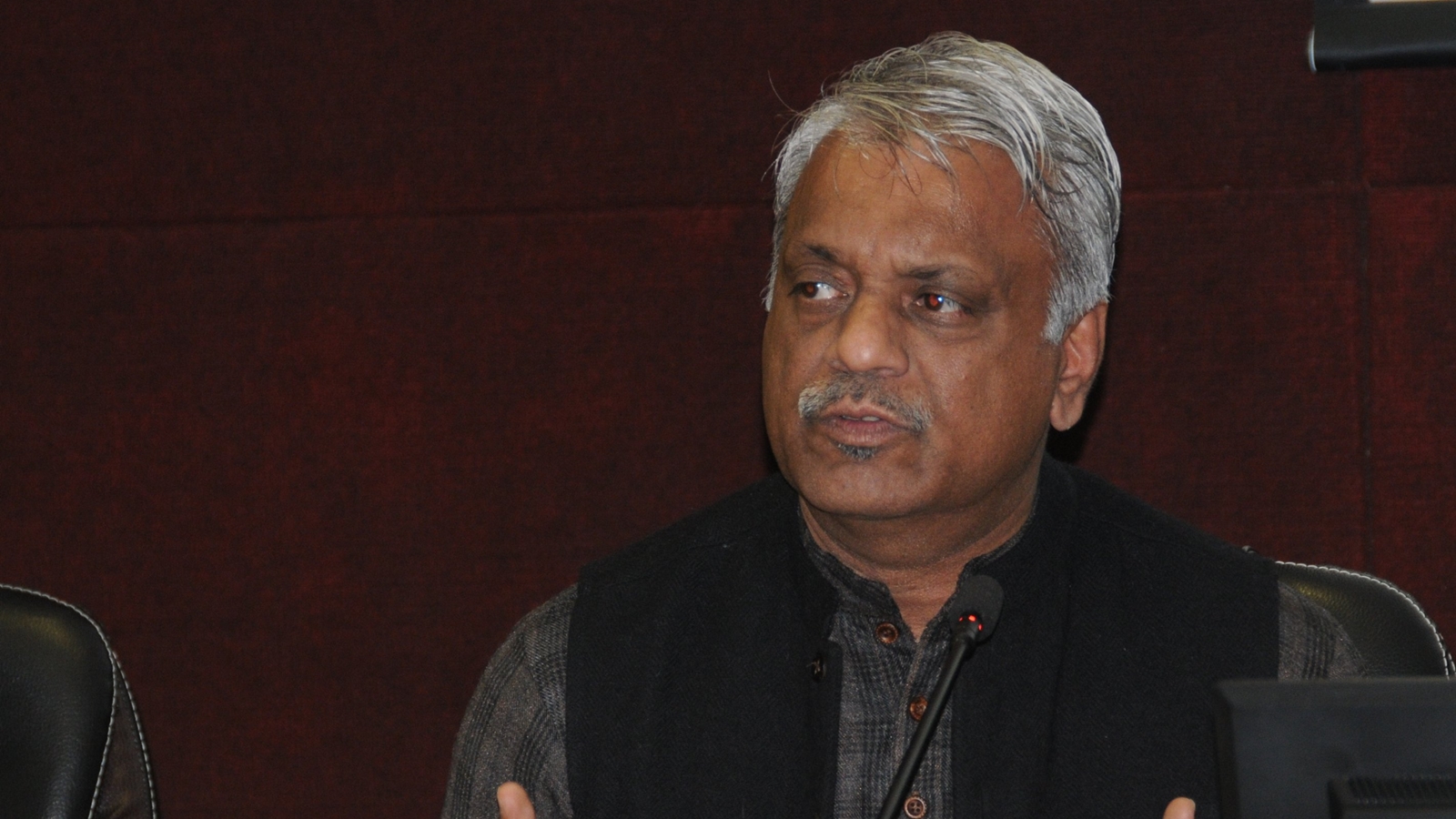
The expert Uttam Kumar Sinha will explain the agreement.

India has put the Indus Water Treaty with Pakistan in abeyance after a terrorist attack in Pahalgam.
India has indicated it wants to renegotiate the treaty and served a notice to Pakistan in January 2023, which Pakistan has not yet responded to.
The Indus Waters Treaty, established in 1960, governs water sharing of six transboundary rivers of the Indus basin.
India, as the upper riparian state, has greater control over water flow, giving it leverage against Pakistan.
An expert on the Indus Water Treaty, Uttam Kumar Sinha, will discuss the treaty's complexities in an Explained.Live session.
- Who
- India and Pakistan, with Uttam Kumar Sinha as a key expert on the topic.
- What
- India paused the Indus Water Treaty and wants to renegotiate it.
- When
- The actions followed a terrorist attack in Pahalgam, with notice served in January 2023.
- Where
- Concerning the Indus basin rivers shared between India and Pakistan.
- Why
- India is using its water control as leverage and wants to update the treaty, potentially in response to Pakistan's actions.
India's Perspective
Pakistan's Perspective
Water Sharing
India's Perspective
Pakistan's actions, like terror attacks, have prompted India to reconsider the Treaty.
Pakistan's Perspective
Pakistan believes the Treaty is already unfair to them
- Treaty
- Indus Waters Treaty
- Year Treaty Signed
- 1960
- Rivers Involved
- Six transboundary rivers of the Indus basin
- India's Action
- Put Treaty in abeyance; seeks renegotiation
- Expert
- Uttam Kumar Sinha