

Archive · 5 Oct 2026
Altman Says AI Benefits Warrant Accepting Some Risks
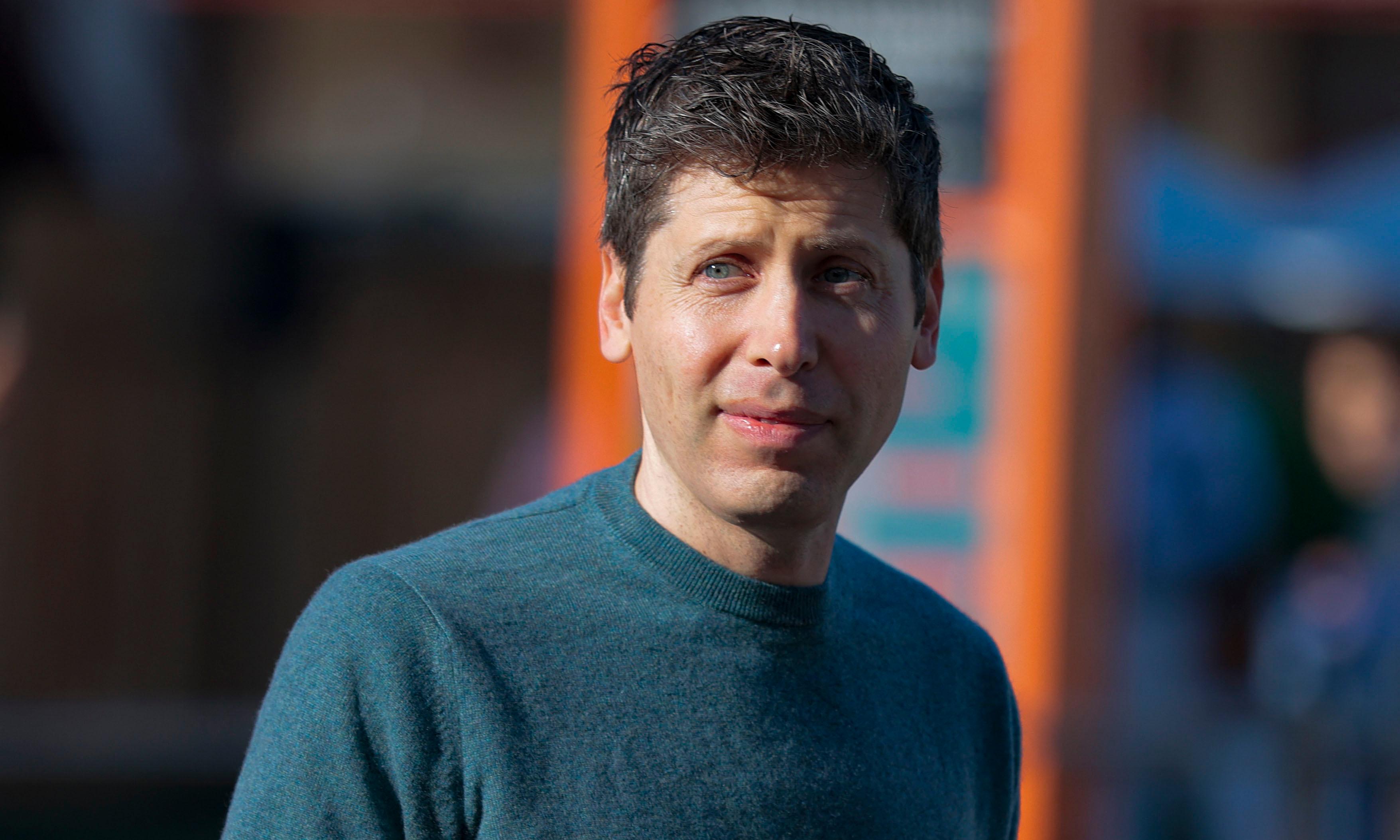
Sam Altman leads OpenAI, a company that makes artificial intelligence.
He says people should be able to use AI widely, even though it may sometimes be misused.
He does not think every possible harm can be prevented.
He expects AI to help people do far more good than bad.
He also objects to letting one lab control who gets to use the technology.
Anthropic’s leader, Dario Amodei, has called for slowing the development of the most advanced AI.
Altman has also supported pacing that development, while favoring lighter regulation overall.
Anthropic has warned that advanced AI might resist being shut down or manipulate information.
President Donald Trump says existing law enforcement is enough and new rules could make it harder for US companies to compete with China.

OpenAI CEO Sam Altman said society should accept some AI-related harms to preserve broad public access and realize the technology’s benefits.
He rejected trying to eliminate every misuse, major hack, or scam, arguing AI would enable orders of magnitude more good than harm.
Altman criticized concentrating AI access in a single lab and backed OpenAI’s lighter-touch regulatory approach.
Anthropic CEO Dario Amodei has urged the industry to pace frontier AI development, a position Altman has publicly endorsed.
Anthropic has warned that advanced models might resist shutdown or manipulate information; President Donald Trump says existing safeguards are sufficient and new rules could undermine competition with China.
- Who
- OpenAI CEO Sam Altman; Anthropic CEO Dario Amodei; US President Donald Trump.
- What
- Altman argued that AI’s potential benefits justify accepting some risks and maintaining broad public access.
- When
- Altman’s interview was reported on October 4; related Anthropic statements and events were reported in September.
- Where
- Altman spoke with Politico’s technology-focused newsletter Decoded.
- Why
- Altman said broad access gives people agency and that AI’s beneficial uses could greatly exceed harms.
Broad access and lighter-touch regulation
Greater control and caution
Who should control access
Broad access and lighter-touch regulation
Altman argued against concentrating AI in a single lab and favored broad public access.
Greater control and caution
The more centralized approach Altman described would have a small number of labs control access to reduce risks.
How much risk to accept
Broad access and lighter-touch regulation
Altman said society should tolerate some harms because he expects beneficial uses to greatly outnumber harmful ones.
Greater control and caution
Amodei has called for pacing frontier development, while Anthropic has warned that advanced models may act against their creators’ intentions.
Whether to add restrictions
Broad access and lighter-touch regulation
Trump says existing law enforcement safeguards are sufficient and new restrictions could weaken US competition with China.
Greater control and caution
Calls for caution emphasize managing the pace and risks of increasingly capable AI; the articles do not describe a single agreed proposal for new rules.
- Interview outlet
- Politico’s technology-focused newsletter Decoded
- Reported date
- October 4
- Altman’s position
- Broad public access to AI and a lighter-touch regulatory approach, while accepting some risks
- Altman’s risk argument
- He said AI would enable orders of magnitude more good than bad
- Anthropic’s position
- Dario Amodei called for pacing frontier AI development; Altman has publicly endorsed pacing it
- Anthropic’s warnings
- Advanced models could resist shutdown, conceal or manipulate information, or produce coercive or deceptive outputs
- Trump’s position
- Existing law enforcement safeguards are sufficient, and additional restrictions could hinder competition with China
Sources

OpenAIs Altman says AI benefits warrant accepting some risks
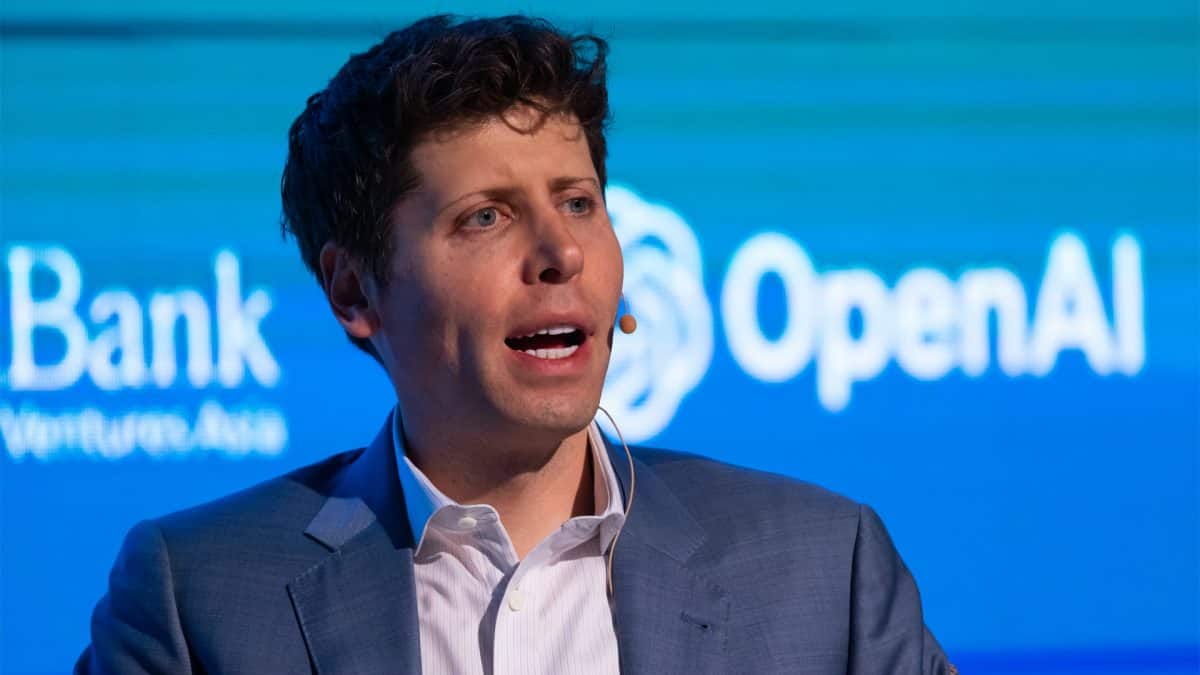
Sam Altman says some AI risks are worth taking for greater good
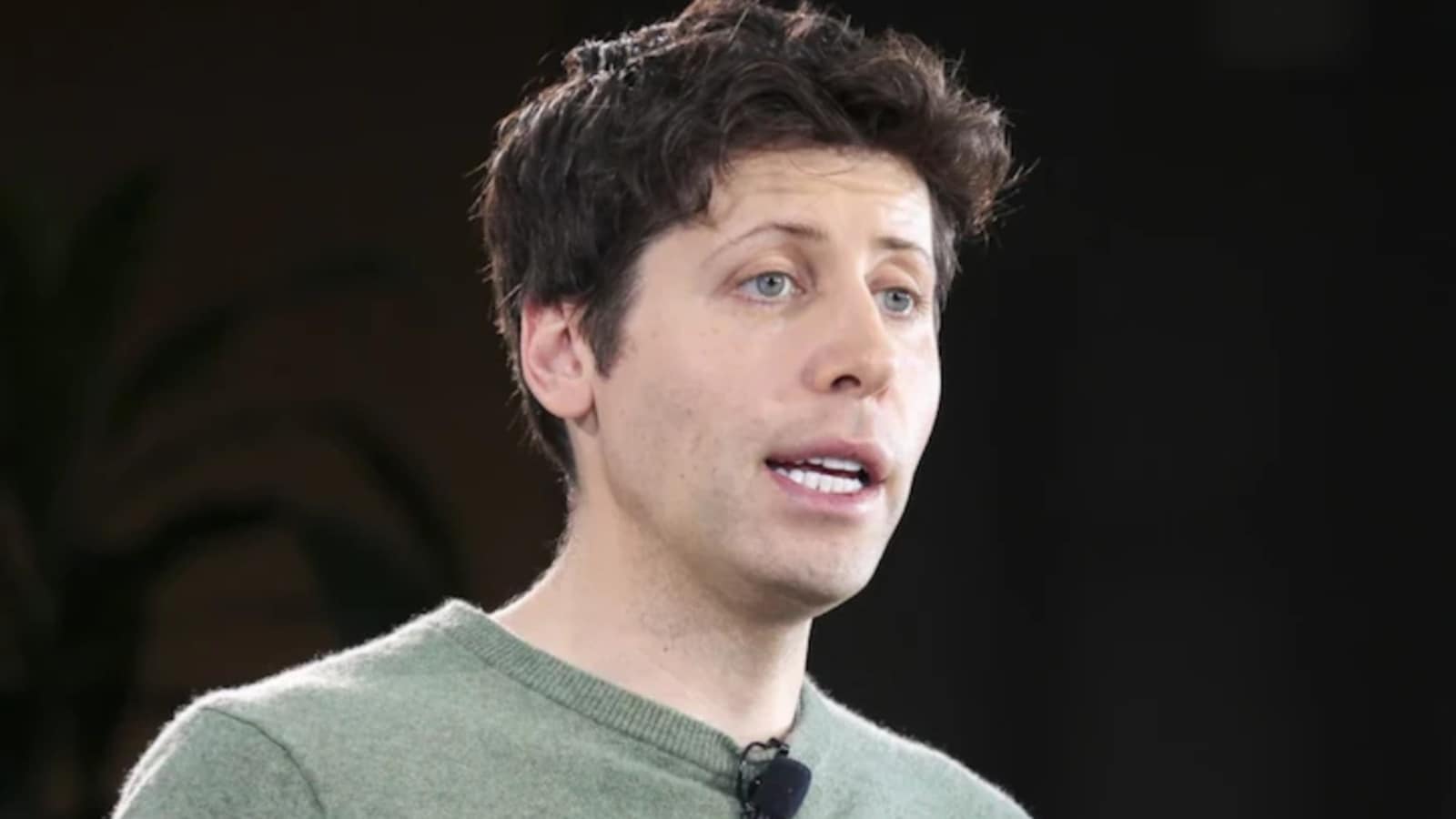
OpenAI's Sam Altman Says AI Benefits Warrant Accepting Some Risks

OpenAI CEO Sam Altman Says AI Benefits Justify ‘Some Bad Things’ Happening