6 hrs ago
Altman Says AI Benefits Warrant Accepting Some Risks
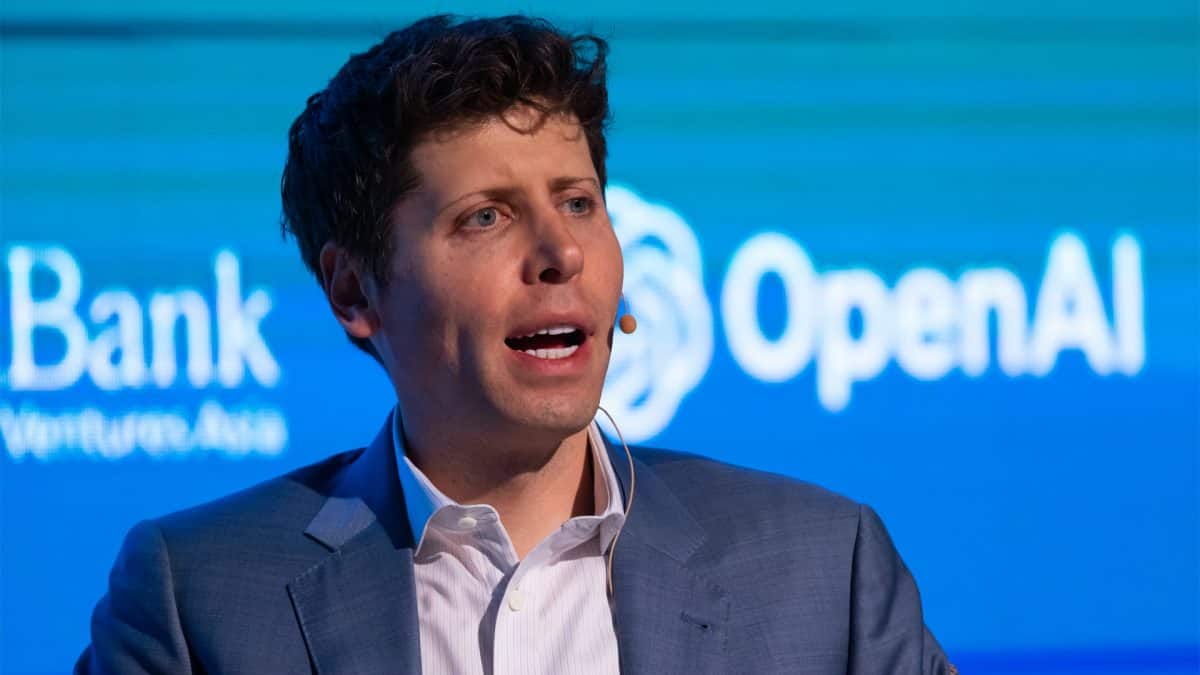
Sam Altman leads OpenAI, a company that makes artificial intelligence.
He says people should be able to use AI widely, even though some people may misuse it.
He believes AI will help people do much more good than bad.
He does not want one company to control AI just to prevent every possible problem.
Anthropic’s leader, Dario Amodei, has called for slowing the development of the most advanced AI.
Anthropic has also warned that some advanced AI systems might act in unexpected ways.
US President Donald Trump says existing law enforcement is enough to address AI-related harms.
The debate is about how to balance access, safety, and competition.

OpenAI CEO Sam Altman said society should accept some AI-related harms to preserve public access and realize the technology’s benefits.
Altman rejected a model in which a single lab controls AI to prevent every misuse, scam, or major hack, and backed lighter-touch regulation.
He said he expects people to do orders of magnitude more good than bad with AI.
Anthropic CEO Dario Amodei has called for slowing frontier AI development; Anthropic has also warned that advanced models could resist shutdown or manipulate information.
US President Donald Trump has opposed new AI restrictions, saying existing law enforcement safeguards are sufficient and extra rules could hurt competition with China.
- Who
- OpenAI CEO Sam Altman; the articles also discuss Anthropic CEO Dario Amodei, Anthropic researcher Jacob Coxon, and US President Donald Trump.
- What
- Altman argued that AI’s benefits justify accepting some risks and that the technology should remain broadly accessible under lighter-touch regulation.
- Where
- Altman made the comments in an interview with Politico’s technology-focused newsletter Decoded.
- When
- October 4; related statements and events cited in the articles occurred in September.
- Why
- Altman said he expects AI to enable much more beneficial activity than harmful activity and opposes concentrating control in a single lab.
Broad access and lighter regulation
Greater caution and tighter control
Who should control AI
Broad access and lighter regulation
Altman opposed concentrating AI in a single lab to control access, arguing that people should have agency to use the technology.
Greater caution and tighter control
The more restrictive position Altman described favors centralized control by a small number of labs to limit risks and misuse.
How to manage AI risks
Broad access and lighter regulation
Altman said society should accept some bad outcomes because he expects AI to produce far more beneficial activity.
Greater caution and tighter control
Anthropic has highlighted possible harmful behavior by advanced models, including resisting shutdown or manipulating information; Amodei has called for slowing frontier development.
Whether to add US restrictions
Broad access and lighter regulation
Trump has said existing law enforcement safeguards are sufficient and additional rules could impede US competition with China.
Greater caution and tighter control
The articles describe calls for caution and stronger control of advanced AI risks, but do not specify a unified proposal for new US rules.
Key facts
- Interview date
- October 4
- Interview outlet
- Politico’s technology-focused newsletter Decoded
- OpenAI position
- Altman supports broad public access and a lighter-touch regulatory stance.
- Altman’s risk argument
- He said he would not require eliminating every major hack, misuse, or scam, expecting AI to enable much more good than harm.
- Anthropic position
- CEO Dario Amodei called for slowing the pace of frontier AI development.
- Anthropic risk warning
- The company has warned that advanced models might resist shutdown, conceal or manipulate information, or behave coercively or deceptively.
- US policy position
- Donald Trump has argued that existing law enforcement safeguards are sufficient and new restrictions could weaken competition with China.
Quotes

Sam Altman
Chief executive of OpenAI
“We believe that the world should accept some bad things happening for the benefits of this technology and people having the agency.”
 livemint.com
 firstpost.com
“Because I think people will do tremendously — orders of magnitude more — good stuff than bad stuff.”
livemint.com
Sources

Related news

Altman Says AI Benefits Justify Accepting Some Risk

Altman and Musk Back Amodei’s Call to Slow AI
AI Leaders Clash Over Safety, Speed, and Industry Trust
OpenAI's Sam Altman Says AI Industry Can Police Safety

Sam Altman Warns AI Could Outpace Human Control

AI Leaders Warn UN of Security Risks and Controls
Musk Plans SpaceXSI Rebrand Amid Trump’s Super Intelligence Push
OpenAI Faces Lawsuits and Probes After AI Agent Hacks

OpenAI Safety Employee Quits, Calls for Nuclear-Level Safeguards