Archive · 24 Sep 2026
NPCI Says October 15 UPI MDR Won’t Disrupt Payments
A new fee will apply to some UPI payments made to businesses from October 15.
The fee is called the Merchant Discount Rate, or MDR.
It will usually be 0.4% when a business receives more than ₹2,000 through UPI.
Payments between people and payments up to ₹2,000 will not have this fee.
Small merchants covered by the zero-MDR rules will also remain exempt.
NPCI says 96% of payment volume and about three-fourths of merchants will not be affected.
Most of the fee is expected to come from large businesses that already pay charges on card payments.
Some merchants have worried that the cost could be passed to customers.
NPCI and the government say banks and payment companies should prevent that from happening, and the money will support payment technology.

A 0.4% MDR will apply from October 15 to specified person-to-merchant UPI payments above ₹2,000.
The fee will be capped at ₹300 for transactions of ₹75,000 or more, while some sectors will have separate rates.
NPCI says 96% of P2M transaction volume and about three-fourths of merchants will remain unaffected.
Most MDR revenue is expected to come from larger businesses that already accept credit cards and pay similar charges.
NPCI and the government say charges should not be passed to consumers, while some merchants have raised concerns.
- Who
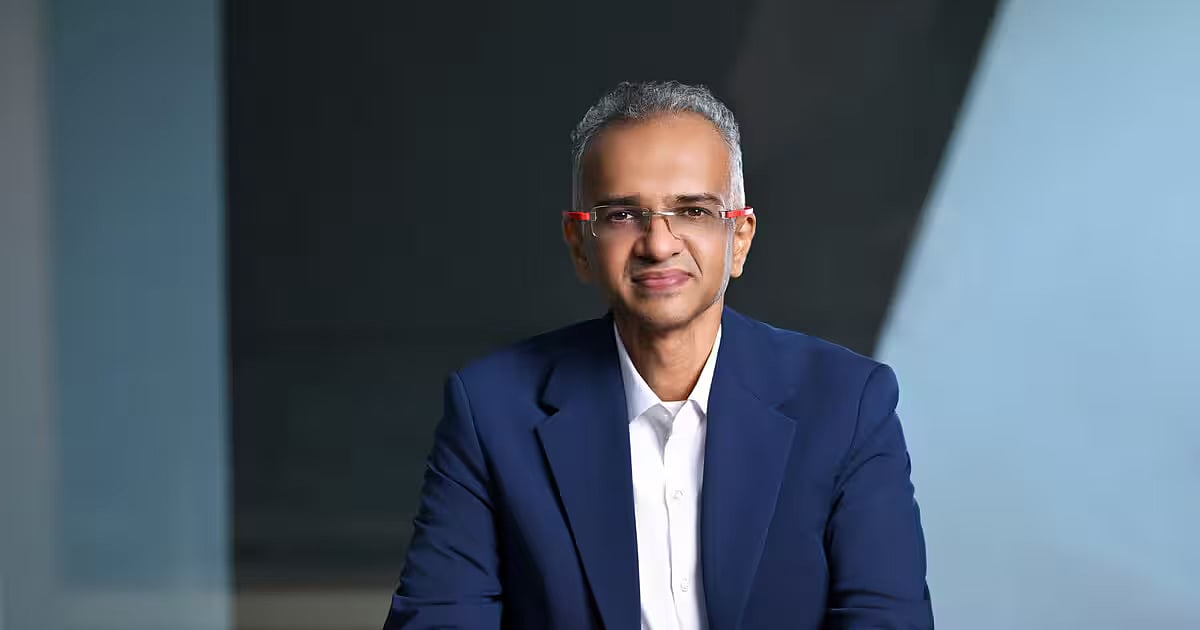
- The National Payments Corporation of India and its Managing Director and CEO, Dilip Asbe, addressed concerns about the revised UPI MDR framework.
- What
- A 0.4% MDR will apply to specified person-to-merchant UPI transactions above ₹2,000, with exemptions, caps and sector-specific rates.
- When
- The framework is scheduled to begin on October 15; Asbe discussed it at the SBI Banking and Economics Conclave in 2026.
- Where
- The issue was discussed at the SBI Banking and Economics Conclave in India; one report placed the event in Mumbai.
- Why
- NPCI says the revenue will strengthen the digital payments ecosystem, while the organisation and government are responding to concerns about merchant costs and possible consumer charges.
NPCI and Government Position
Merchant and Consumer Concerns
Effect on payment volumes
NPCI and Government Position
Dilip Asbe said the framework is not expected to materially reduce UPI payment volumes or values and predicted that activity could grow as the ecosystem invests in new services.
Merchant and Consumer Concerns
Some merchants began refusing UPI payments above ₹2,000 after the announcement, signaling concern about the effect of the new cost.
Passing charges to customers
NPCI and Government Position
NPCI and the government say MDR should not be passed on to consumers, and banks, payment aggregators, acquiring banks and NPCI are expected to help prevent this.
Merchant and Consumer Concerns
Asbe acknowledged that merchants representing about 10% of transaction value could potentially try to transfer the cost to customers.
Who bears the MDR
NPCI and Government Position
NPCI expects most MDR value to come from large businesses that already accept credit cards and pay card-related charges, with around 80% of MDR value expected from businesses generating over ₹1,000 crore in annual GMV.
Merchant and Consumer Concerns
Businesses that do not currently accept credit cards may face greater difficulty absorbing the charge, particularly because they have less experience with similar fees.
- Standard MDR
- 0.4% for specified person-to-merchant UPI transactions above ₹2,000.
- Fee cap
- ₹300 for transactions of ₹75,000 and above.
- Exempt payments
- Person-to-person payments, person-to-merchant payments up to ₹2,000, and qualifying small merchants remain outside the framework.
- Expected transaction impact
- NPCI says 96% of P2M transaction volume will remain unaffected.
- Merchant impact
- About 75% of roughly 60 million UPI merchants have never recorded a transaction above ₹2,000.
- Sector-specific rates
- Railways, telecommunications, insurance, fuel and agricultural inputs will face a flat ₹5 MDR above ₹2,000; capital-market transactions will carry 0.02%, capped at ₹300.
- Planned use of revenue
- Funds may support soundboxes, artificial-intelligence solutions, voice-based payments and feature-phone payment tools.