

Archive · 26 Jul 2026
Meghalaya's Lukha River Turns Blue
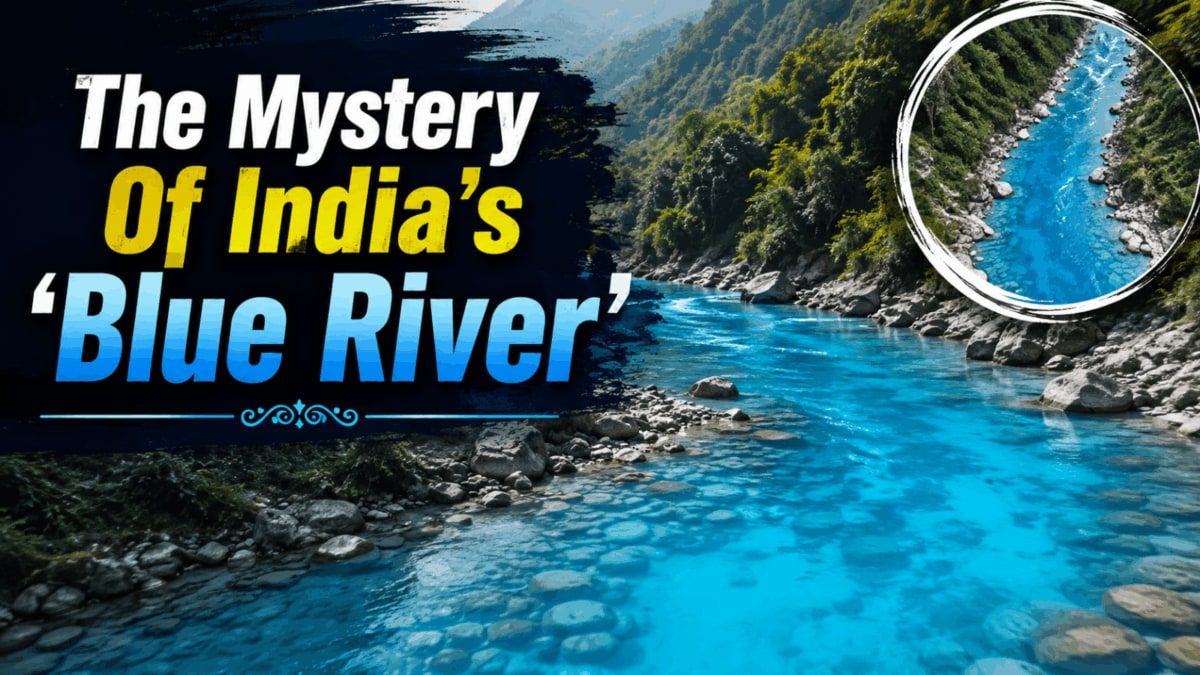
The Lukha River in Meghalaya is known as India's 'Blue River' because it turns a striking blue color every winter.
This change has raised concerns about the environment, as experts believe it might be due to coal mining and industrial waste.
The river flows through the East Jaintia Hills and is fed by several tributaries.
It eventually merges with the floodplains of Bangladesh.
While the blue color is beautiful, it might be a sign of pollution.

The Lukha River in Meghalaya turns blue every winter.
Experts believe the color change is due to coal mining and industrial waste.
The river flows through the East Jaintia Hills and is fed by several tributaries.
It eventually merges with the floodplains of Bangladesh.
The blue color attracts tourists but raises environmental concerns.
- Who
- Residents of Meghalaya and environmental experts
- What
- The Lukha River in Meghalaya turns blue
- When
- The color change began around a decade ago
- Where
- East Jaintia Hills, Meghalaya
- Why
- Possible causes include coal mining activities and industrial waste
Environmental Concerns
Tourism Benefits
Environmental Impact
Environmental Concerns
The blue coloration is a sign of environmental degradation due to coal mining and industrial waste.
Tourism Benefits
The river's unique color attracts tourists, boosting local economy.
- Location
- East Jaintia Hills, Meghalaya
- Color Change
- Begins around a decade ago
- Possible Causes
- Coal mining activities and industrial waste
- Tributaries
- Saipung Reserve Forest, Lunar River, Narpuh Reserve Forest
- Journey
- Flows into Barak Valley, Assam, and merges with Bangladesh floodplains