

Archive · 9 Jun 2025
Dostoevsky on Prison Hope: Umar Khalid's Perspective
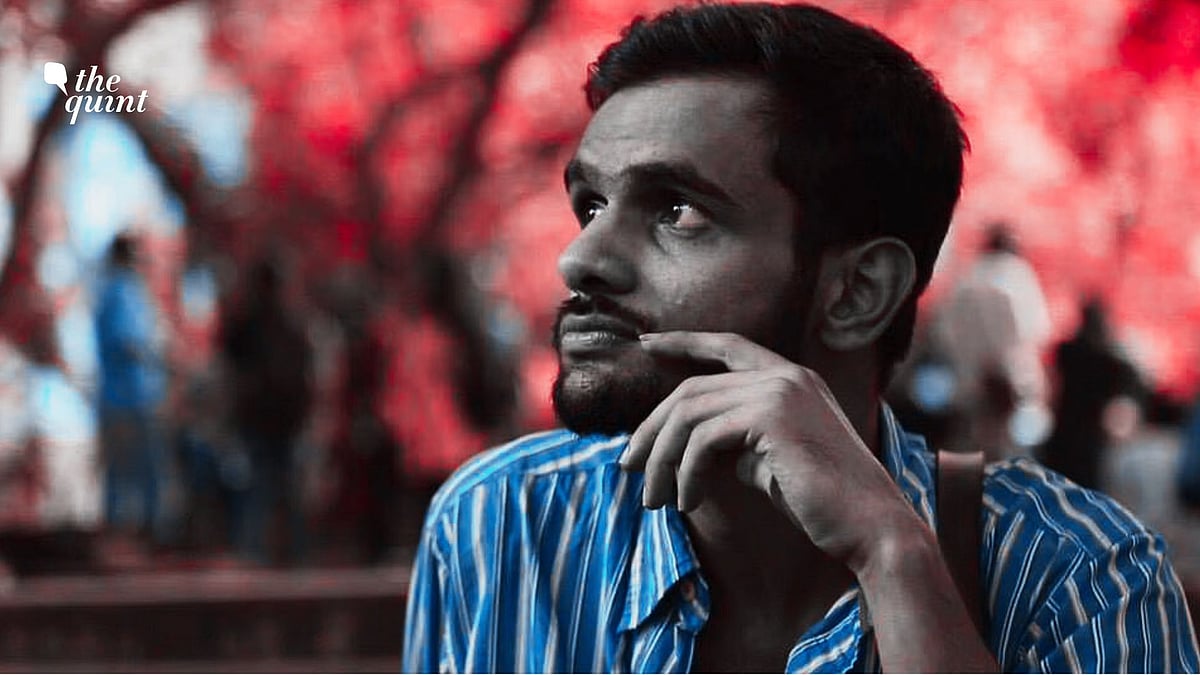
Imagine being locked up.
Dostoevsky, a famous writer, talked about what it's like to hope for freedom while in jail.
Prisoners always think about when they will be free, counting down the days.
They don't see prison as their real life; they see it as a temporary visit.
They hope to be the same energetic person they were before getting locked up, even after many years.
Without something to look forward to, like freedom, prisoners can become very sad.
Dostoevsky said that having a goal, like getting out of prison, is super important for them to stay strong.

The article discusses the reflections of Dostoevsky on the nature of hope and freedom in prison.
Prisoners, unlike free men, view their sentence as temporary and hold onto the hope of eventual release.
Dostoevsky observed that prisoners often calculate ways to shorten their sentences, driven by the desire for freedom.
Without a goal, such as freedom, prisoners can become despondent.
The desire for freedom is the primary goal for prisoners.
- Who
- Dostoevsky and prisoners.
- What
- Reflections on the role of hope and freedom in prison.
- When
- Based on experiences described in Dostoevsky's writings.
- Where
- In prison.
- Why
- To highlight the importance of goals, particularly freedom, in maintaining a prisoner's spirit.
- Author
- Umar Khalid
- Focus
- Dostoevsky's Reflections on Hope in Prison
- Central Theme
- The prisoner's perspective on hope and freedom