

Archive · 26 Aug 2026
Dolly Parton Turned Artifice Into Her Authentic Artistry
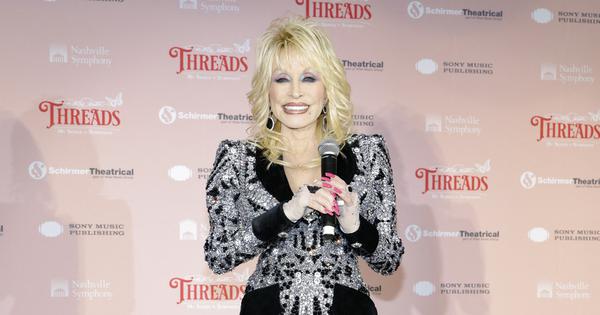
Dolly Parton was a famous country singer, actor and entertainer.
The article says she died overnight at age 80.
She became known for her big blonde hair, glamorous clothes and made-up appearance.
Some people treated these things as signs that she was fake or shallow.
Dolly instead used that image knowingly and made it part of her art.
Her music also showed real skill because she wrote many of her own successful songs.
She could be funny and exaggerated while still connecting with audiences.
Her style became meaningful to many LGBTQ people who saw her as a welcoming and inspiring figure.
The article says Dolly showed that something made to look artificial can still feel genuine and creative.

Dolly Parton died overnight at age 80, according to the article.
Her exaggerated appearance became a deliberate trademark rather than evidence of superficiality.
Parton combined country music’s claims of sincerity with self-aware performance and artifice.
Songs including "Jolene" helped move her from country stardom into mainstream entertainment.
Her glamorous style and contradictions made her an important icon for many LGBTQ audiences.
- Who
- Dolly Parton, the country singer, actor and entertainer discussed in the article.
- What
- The article examines how Parton turned her exaggerated appearance and public image into a form of authentic artistry.
- When
- The article says Parton died overnight at age 80; it also discusses her career from the late 1960s through the 2010s.
- Where
- The discussion centers on country music, Nashville and the wider American entertainment industry.
- Why
- Parton used her deliberately artificial-looking image to challenge assumptions about sincerity, femininity, talent and authenticity.
Artifice as Superficiality
Artifice as Authentic Expression
Appearance and talent
Artifice as Superficiality
Parton's breasts, face and hair were often treated as artificial features that suggested she was superficial or lacked depth.
Artifice as Authentic Expression
The article argues that Parton consciously made her exaggerated appearance a trademark and used it to express wit, agency and originality.
Country authenticity
Artifice as Superficiality
Country music audiences valued an image of sincere, rooted expression, making highly theatrical presentation appear less authentic.
Artifice as Authentic Expression
Parton's roots, songwriting and self-aware performance allowed her to turn theatricality itself into a genuine country identity.
Femininity and cultural meaning
Artifice as Superficiality
Some commentary, including Roger Ebert's, contrasted Parton's exaggerated femininity with assumptions about serious talent, intelligence and onscreen depth.
Artifice as Authentic Expression
Her deliberately constructed femininity became an empowering and influential image for many LGBTQ audiences, particularly those coming out in the 1990s and 2000s.
- Birth name
- Dolly Rebecca Parton
- First country-chart hit
- "Dumb Blonde" in 1967
- First LP
- "Hello, I'm Dolly," released in 1967
- Major song
- "Jolene" broke into the mainstream in 1974
- Film debut discussed
- "9 to 5," released in 1980
- Self-description
- Parton called herself a "Backwoods Barbie" in a 2013 "60 Minutes" interview
- Cultural impact
- Her flamboyant style became especially meaningful to many LGBTQ people