Archive · 4 Sep 2026
Report Finds 25 Jail-Held Accused Flagged at Jantar Mantar Protest
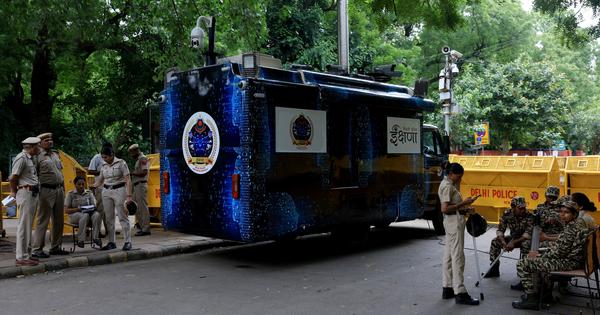
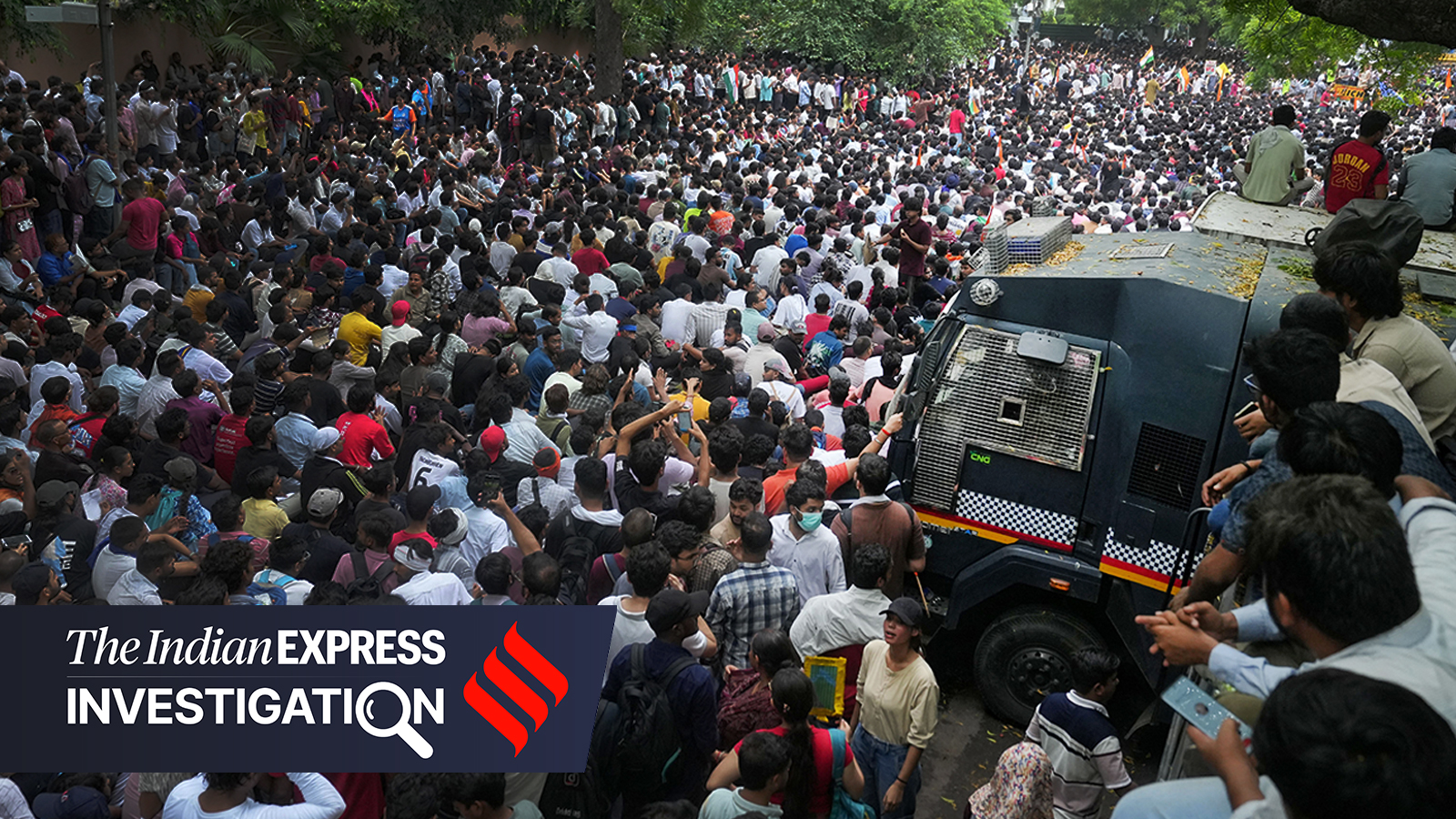
Delhi Police used facial-recognition software during protests at Jantar Mantar.
The system compared faces in the crowd with images in police databases.
It identified 2,873 people as possibly having criminal records.
A newspaper checked records for 205 people linked to serious cases.
It found that 25 of them were recorded as being in jail when the system spotted them at the protest.
The 25 included people facing murder, rape, child-protection and attempted-murder charges.
Police said the computer result alone does not prove someone’s identity.
Officers are supposed to check the match in the field before taking action.
The Supreme Court allowed the government to continue investigating the identified people while quashing other protest-related FIRs.

Delhi Police facial-recognition software identified 2,873 people at Jantar Mantar as allegedly having criminal records.
The Indian Express found that 25 people were in jail when the system identified them at the protest site.
Those 25 included 17 facing murder charges, four facing rape charges and four linked to attempted-murder cases.
Police records show the 25 were identified on July 24, 25 and 26, with 21 flagged on July 25.
Police said facial-recognition matches are preliminary and require field verification before action is taken.
- Who
- Delhi Police, protesters at Jantar Mantar, the 2,873 people identified by the software, the Union government and the Supreme Court of India.
- What
- Facial-recognition software flagged people at a youth protest, including 25 whom police and court records showed were in jail at the time of identification.
- When
- The identifications occurred between July 20 and July 26; the Supreme Court’s rulings and the police affidavit were reported as occurring on Monday, Tuesday and August 17.
- Where
- Jantar Mantar; the 25 people were recorded as being held in Delhi’s Tihar, Mandoli or Rohini prison complexes.
- Why
- Police said the system was used to find people whose faces matched records in official police databases, while the government sought to continue investigations into alleged bodily harm or property destruction.
Concerns About Facial-Recognition Use
Police and Government’s Case for Further Investigation
Reliability and identity
Concerns About Facial-Recognition Use
A facial-recognition match is not proof of identity, and its performance can vary with the algorithm, camera angle, lighting, image quality, masks and the database used.
Police and Government’s Case for Further Investigation
Delhi Police said the system is an initial identification tool and that officers conduct field verification before taking action.
Status of identified people
Concerns About Facial-Recognition Use
The police affidavit did not specify whether the 2,873 people were accused, convicted or merely named in criminal cases.
Police and Government’s Case for Further Investigation
Police said the records used concerned people facing serious offences rather than minor violations, and the Union government sought to continue investigating the identified group.
Protest-related action
Concerns About Facial-Recognition Use
Petitions before the Supreme Court alleged excessive force and surveillance during the student protests, while campaign organizers had demanded that protesters face no punitive action.
Police and Government’s Case for Further Investigation
The Supreme Court allowed the government to proceed against the 2,873 identified people, with the proposed investigation focused on bodily harm or property destruction, while other protest-related FIRs were quashed.
- People identified
- Delhi Police said 2,873 people were identified as prima facie having criminal antecedents.
- Database matches
- The affidavit said 2,402 matches came through the Crime Kundli biometric database and 471 through criminal records.
- Serious-case sample
- The Indian Express examined 205 people linked to murder, rape, POCSO or attempted-murder cases.
- People recorded as jailed
- At least 25 of those 205 were shown by police, jail and court records to be in jail when identified.
- Breakdown of 25
- The group included 17 facing murder charges, four facing rape charges and four linked to attempted-murder cases.
- Identification dates
- Three were identified on July 24, 21 on July 25 and one on July 26.
- Facial-recognition threshold
- Police said in response to a 2022 RTI query that a match was considered positive at an 80% system accuracy rate, though performance can vary.