

Archive · 24 Nov 2025
Winter Dehydration Risks and Hydrating Foods
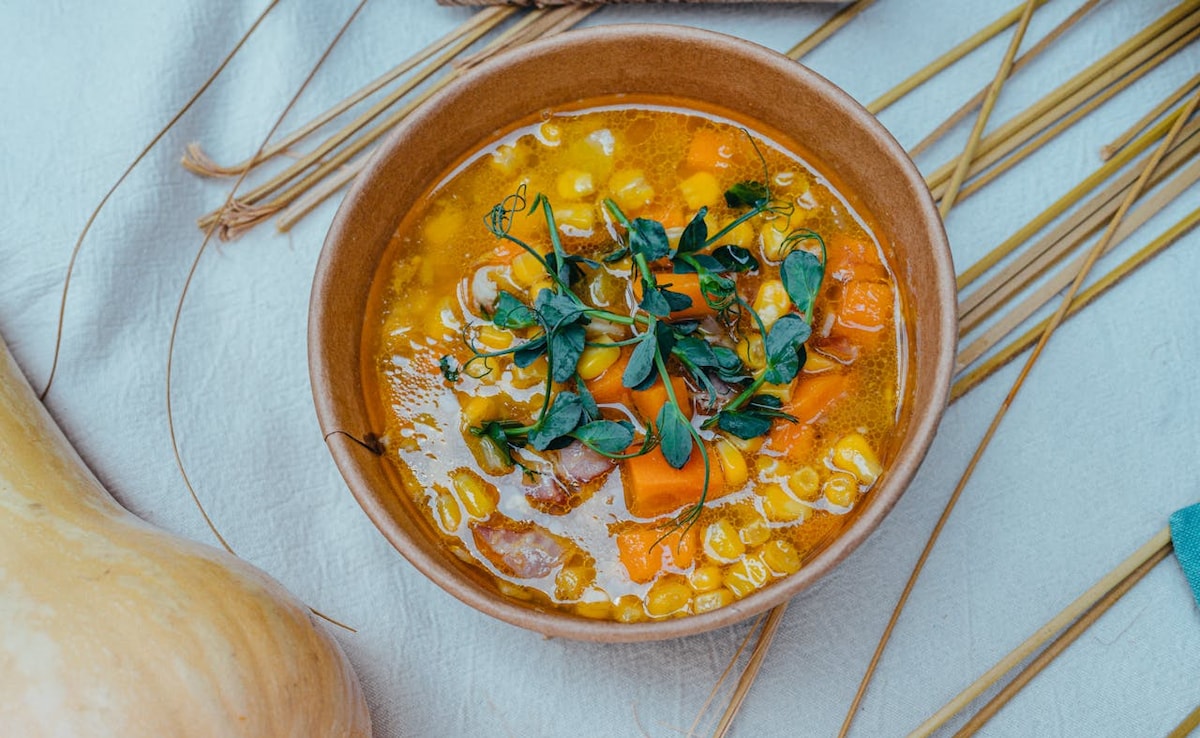
In winter, people can get dehydrated even though it's cold.
Older adults and people with certain health conditions are more at risk.
Drinking water when you're thirsty isn't always enough.
To stay hydrated, you can eat and drink warm foods like rasam, sambar, vegetable soup, and warm milk.
These foods help replace fluids and electrolytes.
It's important to sip small amounts often and include warm broths or soups in your daily diet.
Avoid too much caffeine and alcohol, and plan to drink fluids if you're exercising in the cold.
Always consult a doctor for personalized advice.

Dehydration in winter is common, especially for older adults and people with heart or kidney disease.
Warm foods like rasam, sambar, vegetable soup, and warm milk can help stay hydrated.
Sip small amounts of fluids often and include warm broths or soups daily.
Avoid excess caffeine and alcohol, and plan fluids for cold-weather exercise.
Consult a doctor for personalized advice on hydration.
- Who
- Older adults, people with heart or kidney disease, and those doing cold-weather exertion
- What
- Dehydration in winter and hydrating foods to prevent it
- When
- Winter season
- Where
- Cold weather regions
- Why
- Thirst mechanisms decline with age and cold weather can lead to dehydration
- At-Risk Groups
- Older adults, people with heart or kidney disease, and those doing cold-weather exertion
- Hydrating Foods
- Rasam, Sambar, Vegetable Soup, Dal Ka Paani, Warm Buttermilk, Kadhi, Bone Broth, Millet Porridge, Stewed Fruits, Warm Milk
- Hydration Tips
- Sip small amounts often, include warm broths or soups daily, avoid excess caffeine and alcohol, plan fluids for cold-weather exercise
- References
- NCBI, PubMed, PubMed Central, MDPI, American Journal of Clinical Nutrition
- Disclaimer
- Generic information only, not a substitute for medical advice